Dual Fuel Generator Guide: What It Is, When to Choose One, and What to Check Before You Buy
If you need a generator for backup power, outdoor work, or jobsite use, a dual fuel model can be a practical option because it gives you more than one fuel source to work with. This guide explains what it is, when it makes sense, and what you should check before choosing a model.
.webp)
What Is a Dual Fuel Generator?
A dual fuel generator is a generator that can run on two different fuels, usually gasoline and LPG or propane. In simple terms, it gives you another option if one fuel is harder to get, less convenient to store, or not the best fit for the job.
That flexibility is useful in backup power planning, mobile work, rural operations, rental fleets, and dealer programs where end users may not all want the same fuel setup. Instead of depending on one fuel source only, the user has more room to adapt.
Before You Go Further
A dual fuel generator is mainly about having more fuel flexibility, not automatically getting more power.
The same model may have different rated and maximum output depending on whether it runs on gasoline or LPG.
If you plan to power electronics, an inverter model may be a better fit than a standard open-frame unit.
For U.S. buyers, it is worth confirming voltage, frequency, outlets, and compliance details before ordering.
Portable generators still need to be used outdoors, no matter which fuel mode you choose.
When a Dual Fuel Generator Makes Sense
A dual fuel model makes the most sense when flexibility matters more than keeping things as simple as possible. If a buyer is happy with one fuel source and never expects supply problems, a standard gasoline generator may be enough. If fuel choice matters during outages, seasonal demand, or field deployment, dual fuel becomes a much stronger option.
Backup power: Useful when fuel access may change during storms or local outages.
Outdoor work: Helpful for job sites, agriculture, and service crews moving between locations.
RV and mobile use: Relevant when buyers already manage LPG or propane for other equipment.
Distributor programs: Easier to serve a wider range of end-user preferences with one product category.
Main Benefits and Trade-Offs
| Point to Compare | What Usually Improves | What Still Needs Attention |
|---|---|---|
| Fuel flexibility | You can adapt to fuel availability, storage preference, or emergency conditions. | The user still needs a clear fuel-handling routine and the right accessories. |
| Emergency planning | A second fuel path can reduce downtime risk during disruption. | Runtime and output can change by fuel mode. |
| Product range | Buyers can choose between open-frame and inverter-style solutions depending on the brand lineup. | Not every model has the same receptacles, certification scope, or market configuration. |
| User convenience | Some users prefer the ability to switch fuels rather than depend on one supply chain. | A dual fuel machine may be less straightforward than a single-fuel model for first-time buyers. |
One common mistake is assuming the generator performs exactly the same on both fuels. That is not always the case. Before ordering, it is worth checking the published data fuel by fuel, especially for rated output, maximum output, and expected runtime.
What the Specifications Tell You
United Power's published model pages show why a close spec review matters. For example, the GG4000KD product page lists separate gasoline and LPG output figures, and the GG8000KD page does the same. That is a useful reminder that the same generator may not deliver exactly the same performance in both modes.
| Model | Fuel Mode | Rated AC Output | Max AC Output | Published Page Note |
|---|---|---|---|---|
| GG4000KD | Gasoline | 3.2 kW | 3.5 kW | 50 Hz, 220-240 V configuration shown on current page |
| GG4000KD | LPG | 2.8 kW | 3.1 kW | Lower published output than gasoline mode |
| GG8000KD | Gasoline | 7.0 kW | 7.5 kW | 25 L fuel tank shown on current page |
| GG8000KD | LPG | 6.6 kW | 7.1 kW | Again, published output differs by fuel mode |
Dual Fuel Generator vs. Dual Fuel Inverter Generator
If you plan to run sensitive electronics, it is smart to compare inverter models first. A standard open-frame dual fuel generator is often chosen for straightforward power delivery, while a dual-fuel inverter generator is usually a better fit when quieter operation, portability, or cleaner power output matters more.
United Power's inverter generator range includes dual-fuel inverter options such as the LH4300i and IG5500S on the current website. That gives buyers two clear routes: standard dual fuel for broad backup and field use, or dual-fuel inverter equipment for RV, residential backup, and electronics-sensitive loads.
| If You Prioritize | Usually Start With | Why |
|---|---|---|
| Simple high-output portable power | Standard dual fuel generator | Often a practical choice for backup power and general outdoor work. |
| Sensitive electronics, RV use, or lower noise | Dual fuel inverter generator | Inverter-style units are generally better suited to cleaner power delivery and portable lifestyle use. |
| Dealer assortment planning | Both categories | A broader lineup helps serve commercial, residential, and mobile-use customers more accurately. |
How to Choose the Right Dual Fuel Generator
Start with the load, then work backward to the model. Buyers often focus on fuel first, but generator selection is more reliable when power demand and use conditions come first.
List the equipment you need to power and separate running load from starting load.
Confirm whether the use case is backup power, RV, jobsite work, outdoor events, agriculture, or mixed fleet supply.
Check the rated and maximum output on each fuel, not just one headline number.
Verify voltage, frequency, outlet type, and whether the unit matches the destination market.
Decide whether a standard or inverter platform makes more sense for the load profile.
Review physical factors such as transport method, storage footprint, handle design, and starting system.
For distributors and import buyers, a final check on manuals, carton specs, and after-sales documentation is also worth doing early. United Power's support area and contact channel are available on the official site for that step.
Safety and Compliance Checks Buyers Should Not Skip
Fuel flexibility does not change generator safety basics. The U.S. Consumer Product Safety Commission warns that portable generators can create deadly carbon monoxide hazards and should be used outdoors only, away from doors, windows, and vents. That matters for gasoline-powered portable generators generally, and it remains relevant when a unit also supports LPG or propane.
From a compliance perspective, EPA regulations for nonroad engines show that emission requirements vary by engine category and application. In practice, that means buyers should confirm the exact emissions and certification status for the specific model, engine family, and destination market instead of assuming all versions are identical.
United Power Product Gallery
The current United Power lineup includes several dual fuel generator formats, which gives buyers a useful starting point when comparing frame size, power level, and overall application fit.
.webp)
.webp)
.webp)
Frequently Asked Questions
What is a dual fuel generator used for?
It is commonly used for backup power, outdoor work, RV setups, and mobile operations where fuel access may change. Buyers usually choose it because having two fuel options can make planning easier in uncertain conditions.
Is a dual fuel generator better than a gasoline generator?
Not in every case. It is a better fit when flexibility is the main goal. If your operation already uses gasoline only and you want the simplest ownership routine, a gasoline generator may still be the more direct choice.
Can a dual fuel generator run sensitive electronics?
Some can, but the safer approach is to decide whether you need an inverter generator rather than assume every dual fuel unit is suitable for electronics. The type of equipment you plan to run should guide the choice.
Can I use a dual fuel generator indoors if I switch fuels?
No. Portable generators should not be used indoors, in garages, or close to building openings. Safe outdoor placement is still required no matter which fuel mode you use.
What should U.S. buyers confirm before placing an order?
Check the frequency, voltage, receptacles, starting method, output by fuel mode, and the exact compliance configuration for the target market. Specifications can vary by model family and destination version, so it is worth confirming the final setup before ordering.
Explore Related Options
Worth Checking Before You Buy
CPSC carbon monoxide safety guidance is worth reading if the generator may be used for home backup or storm-related outages.
CPSC generator safety release gives a simple summary of outdoor-use rules and common CO risks.
EPA nonroad engine regulations overview helps explain why emissions details should be checked by model and market.
EPA small equipment and tools rules is useful if you want more background on spark-ignition engine requirements.
If fuel flexibility is important for the way you plan to use the generator, a dual fuel model is a sensible place to start. The key is to look past the category name and compare the details that actually affect daily use, especially power output, fuel-mode differences, portability, and market configuration.
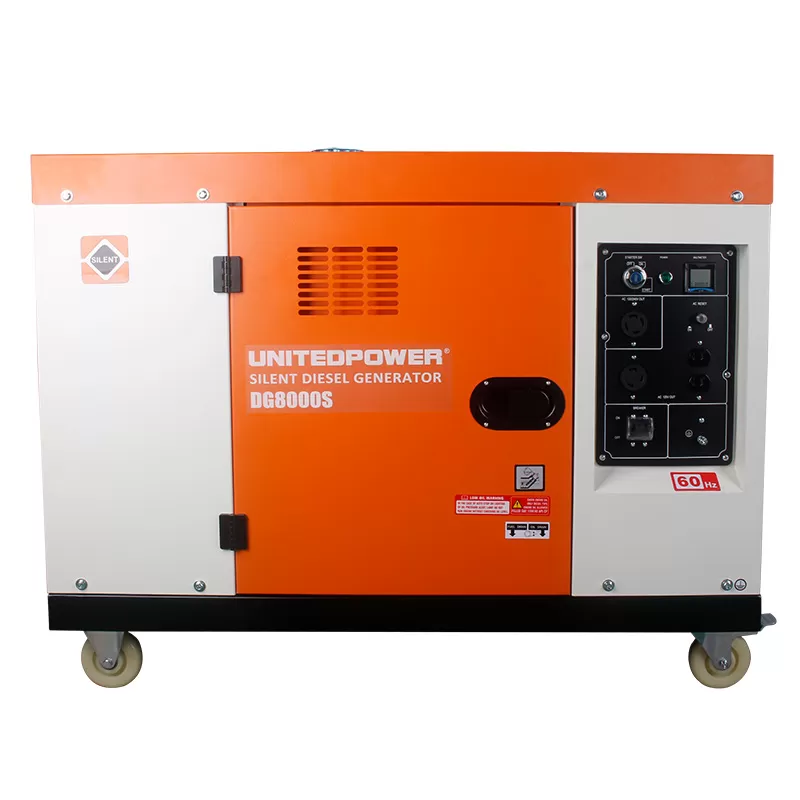
.webp "Evaluating the 4 kW Generator Price: Wholesale Sourcing & Manufacturing Specs")
.webp "2026 5 kW Silent Generator Price Guide: Costs, Features & Best Value Picks")