5 Engineering Parameters for Selecting a Water Plunger Pump for High-Pressure Operations
High-pressure fluid displacement represents a fundamental requirement in modern industrial processes, demanding equipment that can consistently perform under severe mechanical stresses. Reciprocating positive displacement pumps, specifically those utilizing plunger mechanisms, offer high pressure capabilities and operational reliability. United Power manufactures these systems to address demanding fluid transfer requirements across various industrial sectors. Unlike conventional piston pumps, where the sealing element moves with the reciprocating piston, a water plunger pump utilizes stationary high-pressure seals through which a smooth, cylindrical plunger slides. This architectural distinction allows for higher operating pressures and minimal fluid bypass, making these units standard in applications requiring robust fluid pressurization.
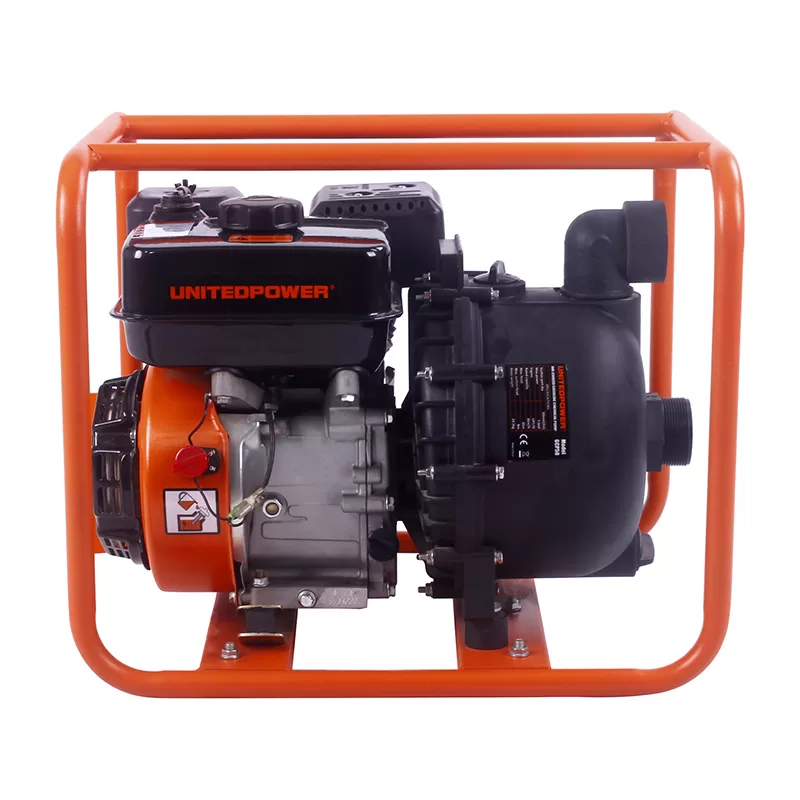
Mechanical Architecture and Operational Dynamics
The operational framework of a water plunger pump relies on the reciprocating movement of one or more plungers within high-pressure chambers. The prime mover, which can be an electric motor or an internal combustion engine, drives the pump crankshaft. This rotational energy is converted into linear reciprocating motion via connecting rods and crossheads, which guide the plungers in a precise, straight-line path. This design minimizes lateral forces on the high-pressure seals, reducing premature wear and preserving system alignment.
During the backward movement of the plunger, known as the suction stroke, the volume of the pump chamber increases, creating a localized pressure drop below that of the inlet line. This pressure differential forces the inlet check valve to open, allowing water to fill the chamber. As the crankshaft rotates further, the plunger reverses direction, initiating the discharge stroke. The forward movement reduces the chamber volume, compressing the fluid and immediately closing the inlet check valve. Once the pressure inside the chamber exceeds the system pressure in the discharge line, the discharge check valve opens, and the fluid is expelled into the manifold.
To minimize the flow fluctuations inherent in single-acting reciprocating pumps, industrial designs typically employ multiple plungers operating in parallel. Triplex (three-plunger) and quintuplex (five-plunger) configurations are widely utilized. In a triplex pump, the crankshaft throws are offset by 120 degrees, ensuring that at least one plunger is always on a discharge stroke. This overlap significantly reduces pressure pulsations downstream, protecting piping networks and process equipment from hydraulic shock and mechanical fatigue.
Component Metallurgy and Material Selection
Operating a water plunger pump under continuous, high-pressure conditions requires careful material selection for all fluid-end and power-end components. The mechanical forces and fluid velocities encountered during operation can cause rapid erosion, corrosion, and structural deformation if materials are mismatched.
Manifold/Pump Head: The manifold is subjected to cyclic pressure loading and must possess high fatigue strength. Forged brass and nickel-plated aluminum bronze are commonly used for standard water applications. In environments involving demineralized water, brackish water, or corrosive chemicals, 316 stainless steel or duplex stainless steel is utilized to prevent pitting and stress corrosion cracking.
Plungers: The reciprocating plunger requires a highly polished, wear-resistant surface to minimize friction against the high-pressure seals. Solid alumina ceramic (aluminum oxide) is preferred due to its extreme hardness, chemical inertness, and ability to achieve a mirror-like finish. For extremely demanding applications, tungsten carbide coatings or specialized ceramic composites are applied to steel substrates to enhance impact resistance.
Valves and Seats: Check valves must open and close rapidly, often dozens of times per second. Stainless steel seats and spring-loaded valve plates or balls are engineered to resist high-velocity fluid erosion and cavitation-induced damage. Polyurethane or elastomer inserts are sometimes integrated into the valves to ensure tight sealing during lower-pressure intervals.
High-Pressure Packing Seals: The seal assembly, or packing stack, must prevent fluid bypass while tolerating the thermal energy generated by sliding friction. United Power utilizes engineered seal profiles, often combining PTFE (Teflon) with specialized elastomers or braided aramid fibers. These configurations may include integrated cooling channels or lubrication rings that utilize a fraction of the process water to dissipate heat from the plunger surface.
Key Industrial Applications
The ability of a water plunger pump to deliver high pressures at precise flow rates makes it indispensable in numerous industrial sectors. These systems are selected based on their displacement efficiency and ability to maintain consistent output regardless of downstream pressure resistance.
Hydro-Demolition and Industrial Surface Preparation
In construction and industrial maintenance, high-pressure water jets are utilized to remove degraded concrete, scale, rust, and specialized coatings from steel structures. Operating at pressures frequently exceeding 1,000 bar, the water plunger pump delivers the kinetic energy required to erode materials without damaging underlying metal substrates or reinforcing bars. This method avoids the micro-fracturing of concrete associated with traditional pneumatic hammers.
Desalination and Reverse Osmosis Systems
Desalination plants rely on high-pressure systems to force seawater through semi-permeable membranes, overcoming natural osmotic pressure. The pumps must operate continuously, handling highly corrosive saline water. Under these conditions, the use of corrosion-resistant alloys and high-efficiency reciprocating designs helps lower energy consumption per cubic meter of clean water produced.
Municipal Sewer Cleaning and Jetting
Municipal utility operators utilize truck-mounted pump units to clear blockages, grease, and debris from subterranean sewage lines. The water plunger pump provides the necessary flow rate and pressure to drive self-propelled jetting nozzles through long pipe runs, ensuring thorough cleaning of pipe walls without structural damage to the concrete or clay conduits.
Hydrostatic Testing of Pressure Vessels
To verify the structural integrity of pipelines, gas cylinders, and boilers, hydrostatic testing is conducted at pressures above normal operating limits. Plunger pumps allow for precise incremental pressurization, enabling technicians to monitor for pressure drops that indicate micro-leakage or material yield points.
Addressing Common Operational Challenges
Operating high-pressure reciprocating equipment introduces mechanical challenges that must be addressed through proper system design and preventive maintenance. Understanding these dynamics is key to preventing unscheduled downtime.
One primary concern in high-pressure fluid systems is cavitation. This phenomenon occurs when the pressure at the pump inlet drops below the vapor pressure of the water, causing vapor bubbles to form. When these bubbles enter the high-pressure chamber, they collapse violently, generating localized shockwaves that pit the metal surfaces of the manifold and plungers. To mitigate this, system designers must ensure that the Net Positive Suction Head Available (NPSHA) from the supply tank exceeds the Net Positive Suction Head Required (NPSHR) of the pump. This is accomplished by using short, straight inlet lines, avoiding restrictive filters on the suction side, and maintaining adequate supply tank elevation.
Another operational consideration is pressure pulsation. The cyclic discharge of positive displacement pumps generates pressure waves that can resonate within piping networks, leading to joint fatigue and instrument failure. Installing a pulsation dampener—typically a nitrogen-charged accumulator—directly adjacent to the discharge manifold helps absorb these pressure spikes, smoothing the fluid velocity profile downstream.
Thermal management within the crankcase is also necessary for long-term reliability. The mechanical friction of the connecting rods, crankshaft bearings, and crossheads generates heat that must be dissipated by the lubrication oil. United Power designs crankcases with large oil reservoirs and cooling fins to maintain stable operating temperatures. Regular oil analysis is recommended to detect water ingress or metal particulate contamination before major bearing damage occurs.
Procurement and Selection Criteria for B2B Buyers
Selecting the appropriate pump configuration for a specific industrial application requires a detailed evaluation of operating parameters. B2B procurement teams must analyze several interrelated specifications rather than focusing solely on nominal flow or pressure ratings.
The relationship between rotational speed (RPM) and component wear is direct. While higher-speed pumps are often more compact and less costly initially, they experience faster seal and valve wear. For continuous-duty applications, such as industrial process water supply or municipal utilities, slower-running pumps driven through gear reducers or belt-drive systems offer longer intervals between maintenance cycles. Additionally, fluid compatibility assessments must include chemical composition, operating temperature, and the presence of suspended solids, all of which dictate the selection of fluid-end metallurgy and seal materials.
For detailed engineering consultations, custom fluid-end configurations, or specific inquiries regarding high-pressure equipment integration, please submit your operational specifications and project requirements directly to the United Power technical division. Our engineering team provides detailed calculations, performance curves, and material recommendations tailored to your industrial parameters.
Frequently Asked Questions
Q1: What is the primary difference between a piston pump and a plunger pump?
A1: The main difference lies in the location of the high-pressure seals. In a piston pump, the sealing element (often a cup or O-ring) is attached to the moving piston and slides against the cylinder wall. In a plunger pump, the high-pressure seal is stationary within the pump manifold, and a highly polished, cylindrical plunger slides through the stationary seal. This design allows plunger pumps to handle significantly higher operating pressures.
Q2: Why do water plunger pumps require a pulsation dampener?
A2: Because reciprocating pumps displace fluid in distinct pulses corresponding to the strokes of each plunger, they generate pressure fluctuations in the discharge line. A pulsation dampener absorbs these pressure peaks and releases fluid during the low-pressure valleys, protecting downstream valves, instruments, and piping from fatigue and water hammer.
Q3: How does inlet water temperature affect pump performance?
A3: Elevated water temperatures reduce the vapor pressure margin of the fluid, making the system more susceptible to cavitation. High temperatures also accelerate the wear of elastomeric seals and reduce the viscosity of lubricating oil if heat transfers from the fluid end to the power end. Special seal compounds and cooling systems are required for high-temperature applications.
Q4: What are the main indicators of worn packing seals?
A4: Visible water leakage from the weep holes or seal retainer area between the fluid end and the crankcase is the most common indicator of packing seal degradation. A drop in operating pressure or fluid output while maintaining the same motor speed also indicates internal bypass leakage across the seals.
Q5: Can a water plunger pump run dry without damaging components?
A5: Operating these units without fluid will cause rapid, catastrophic damage. The packing seals rely on the process water for lubrication and cooling. Running dry generates excessive friction heat, which quickly destroys the seals and can lead to thermal cracking of the ceramic plungers.
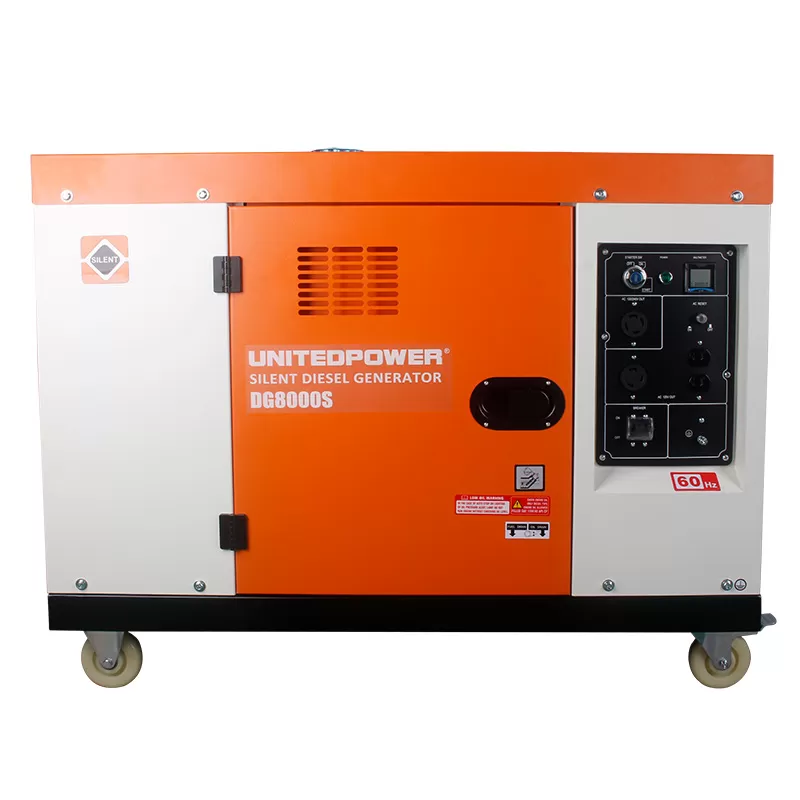
.webp "Evaluating the 4 kW Generator Price: Wholesale Sourcing & Manufacturing Specs")
.webp "2026 5 kW Silent Generator Price Guide: Costs, Features & Best Value Picks")