4 Parameters for Evaluating a Water Pipe Line Cleaning Pump
Industrial piping networks transporting municipal water, chemical slurries, cooling water, and wastewater experience continuous internal degradation. Over time, the inner walls of these conduits accumulate mineral scales, biological films, corrosion products, and sediment. This phenomenon, known as pipe fouling or tuberculation, reduces the effective cross-sectional area of the pipe. As the internal diameter decreases, the friction factor increases, demanding higher energy from transmission pumps to maintain the desired volumetric flow rate.
Mechanical cleanouts and chemical treatments are historical methods used to address these restrictions. Chemical cleaning raises significant environmental concerns, requiring neutralizers and hazardous waste disposal protocols. Mechanical scraping risks damaging the structural integrity of aging pipelines, especially those made of cast iron or thin-walled alloys. Utilizing a high-pressure water pipe line cleaning pump offers a balanced, non-destructive, and highly effective alternative. By projecting high-velocity water streams directly against the pipe walls, this equipment removes stubborn deposits without introducing hazardous chemicals or structural stresses.
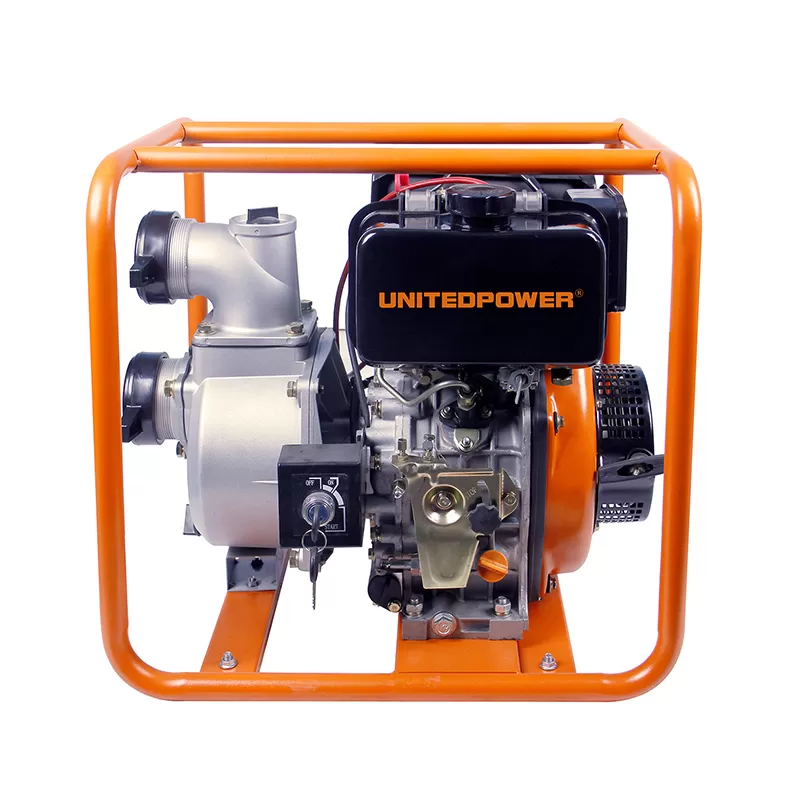
The Operating Principles of High-Pressure Plunger Pumps
At the center of any industrial pipe maintenance system is the high-pressure pump unit. While centrifugal pumps excel at moving large volumes of liquid at low pressures, they are unsuitable for the high-shear forces required to dislodge mineralized deposits. Consequently, a heavy-duty water pipe line cleaning pump relies on positive displacement principles, specifically utilizing reciprocating triplex or quintuplex plunger designs.
These positive displacement systems operate by trapping a fixed volume of water in a cylinder and displacing it mechanically through a series of check valves. The reciprocating motion of ceramic or solid tungsten plungers creates a cyclical suction and discharge phase. Ceramic plungers are preferred in these configurations because of their high resistance to abrasive wear caused by fine particulates suspended in the inlet water supply. The sealing arrangement, typically consisting of polymer packings and brass lantern rings, prevents high-pressure water from leaking back into the crankcase, maintaining volumetric efficiency above ninety-five percent.
The fluid flow generated by these pumps is characterized by high velocity and high pressure. When pressurized water passes through a specialized nozzle attached to the end of a flexible hose, the potential energy of the pressure is converted into kinetic energy. This high-velocity water jet creates shearing forces that exceed the tensile strength of the scale, cutting through obstructions and flushing the debris backward out of the pipe.
Key Parameters for Pump Selection and Sizing
Selecting the correct water pipe line cleaning pump requires a detailed evaluation of several hydraulic and mechanical parameters. Matching the pump performance curves to the specific piping challenge prevents premature component wear and ensures complete deposit removal.
Pressure Rating (PSI / Bar)
The operating pressure determines the types of deposits the system can dislodge. Low-pressure washing under 3,000 PSI (200 bar) is suitable for clearing soft mud, sand, and loose organic materials. Removing hard calcium carbonate scale, rust tuberculation, or industrial polymer residues requires pressures ranging from 5,000 to 15,000 PSI (350 to 1,000 bar). Ultra-high-pressure applications exceeding 20,000 PSI are reserved for concrete removal and severe chemical encrustation.
Flow Rate (GPM / LPM)
While pressure cuts the deposit, the volumetric flow rate, measured in Gallons Per Minute (GPM) or Liters Per Minute (LPM), transports the dislodged material out of the pipe. For small-diameter lines (under 4 inches), a flow rate of 5 to 10 GPM is sufficient. Larger municipal sewers and industrial effluent lines (12 to 36 inches) require flow rates between 30 and 80 GPM. Insufficient flow rates leave dislodged debris inside the pipeline, leading to rapid re-blocking once the system is put back into service.
Power Requirements and Prime Movers
The mechanical power required to drive the pump head is a direct function of pressure and flow, calculated using the hydraulic horsepower formula:
HP = (PSI × GPM) / 1714
Accounting for mechanical losses in the gearbox and pump drive end, the actual power source must exceed this value by fifteen to twenty percent. For stationary industrial plant installations, high-efficiency electric motors are standard, providing quiet operation and simple integration into plant control systems. For mobile field operations, diesel engines are preferred, offering self-contained power and variable speed control to adjust pump output dynamically.
System Configuration and Component Durability
United Power manufactures integrated pump configurations designed for demanding industrial environments. The longevity of a water pipe line cleaning pump skid depends on the materials used in the fluid end and the design of the peripheral protection systems.
Fluid End Metallurgy
The manifold, or fluid end, of the pump is subjected to extreme cyclical pressures. Standard cast iron manifolds are susceptible to stress corrosion cracking under high pressures. High-durability systems utilize forged stainless steel (such as 316L or Duplex steel) for the fluid end. This metallurgy resists cavitation erosion and chemical corrosion when working with brackish water or industrial process water containing chemical trace elements.
Inlet Water Filtration and Pressure Regulation
Particulate matter in the water supply is a primary cause of valve failure and packing wear in reciprocating pumps. An integrated dual-stage filtration system, comprising a 50-micron pre-filter and a 10-micron secondary filter, is recommended. Additionally, the system must include a safety relief valve or a pressure regulating unloader valve. This component bypasses water back to the inlet source when the nozzle is blocked or when the operator closes the discharge trigger, protecting the pump head from catastrophic over-pressurization.
Operational Challenges: Cavitation and Pulsation Control
Field operators face several challenges during high-pressure pipeline cleaning. Understanding these challenges helps in setting up preventative maintenance schedules and choosing the correct system accessories.
Cavitation occurs when the inlet pressure drops below the vapor pressure of the water, causing vapor bubbles to form. As these bubbles enter the high-pressure chamber of the pump, they collapse violently against the plunger and valve surfaces. This collapse generates localized micro-jets with extreme pressure, pitting the metal surfaces and leading to rapid component failure. To prevent cavitation, the inlet plumbing must be properly sized, and the suction hose must be reinforced to prevent collapse under vacuum. Maintaining a positive static pressure head at the pump inlet is a reliable way to avoid this issue.
Reciprocating plunger pumps naturally introduce pressure pulsations into the discharge line due to the discrete strokes of the plungers. These pulsations cause vibration in the high-pressure hoses, leading to friction wear against the pipe edges and fatigue in metal connections. Installing a nitrogen-charged pulsation dampener directly downstream of the pump discharge manifold absorbs these pressure spikes, smoothing the fluid delivery and extending the service life of hoses and fittings.
Selecting the Appropriate Nozzle Configuration
The water pipe line cleaning pump provides the fluid energy, but the nozzle controls how that energy is applied to the deposit. Nozzles are engineered with various forward-facing and rear-facing jets, each serving a distinct mechanical purpose.
Rear-Facing Jets: These orifices are angled backward at 15 to 45 degrees. The thrust generated by the escaping water propels the nozzle and hose forward into the pipe, while simultaneously pulling the dislodged debris backward toward the entry manhole.
Forward-Facing Jets: A single forward jet cuts through total blockages, drilling a pilot hole through solid obstructions to allow the nozzle body to pass.
Rotating Nozzles: These units utilize internal fluid-driven gears or ceramic speed controls to rotate the water jets across the inner circumference of the pipe, ensuring complete 360-degree coverage for hard scale removal.
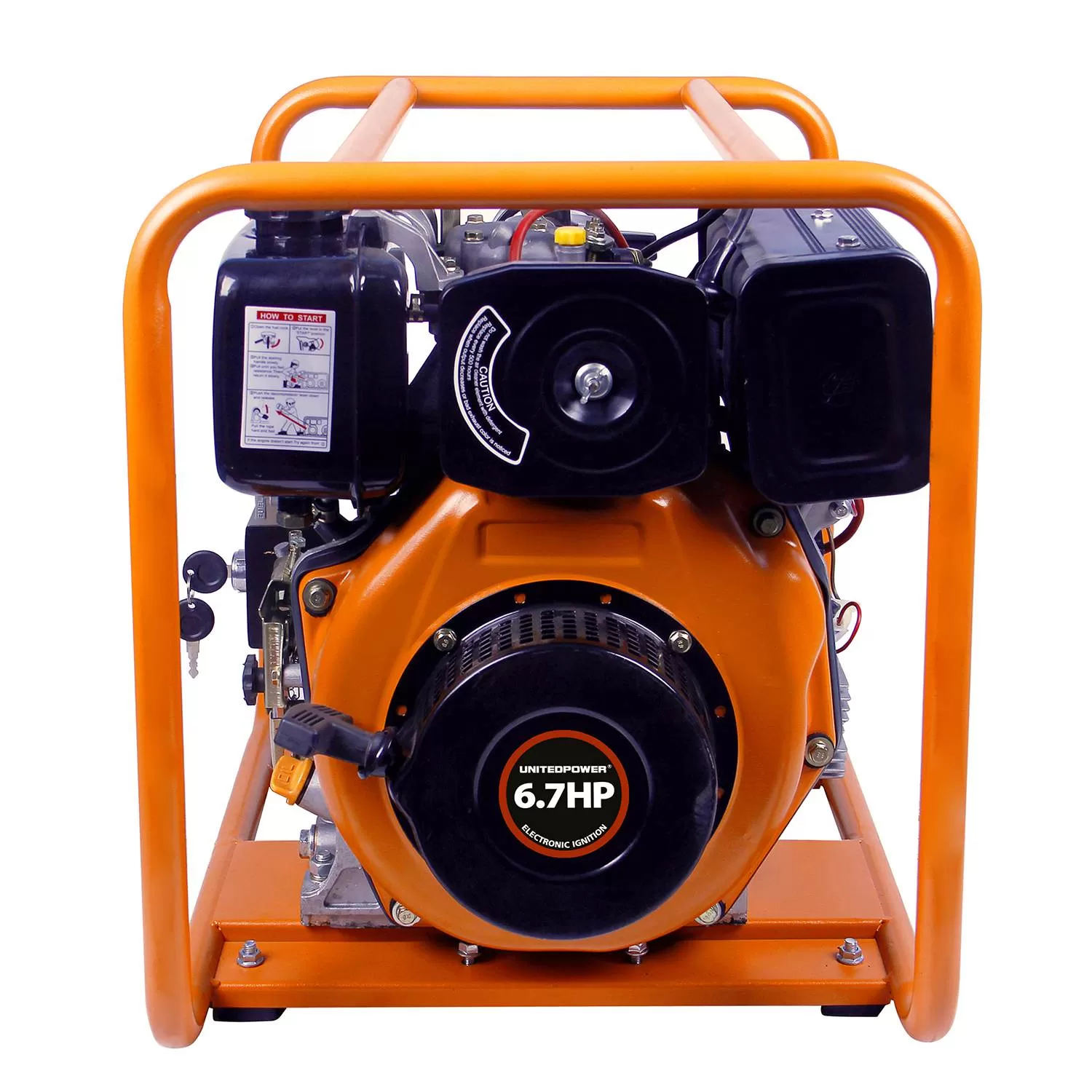
Procurement and Engineering Cooperation with United Power
Specifying a heavy-duty pumping system requires careful alignment between operational requirements and equipment design. Off-the-shelf solutions often fail to meet the unique challenges of specific industrial environments, such as high-temperature feedwaters or corrosive chemical environments.
At United Power, our engineering team works directly with plant managers and maintenance contractors to configure skid-mounted or trailer-mounted pump systems. By analyzing your pipe diameters, target deposits, and power availability, we deliver custom-engineered configurations that provide long-term reliability and low maintenance overhead. Contact our technical sales division to submit your system specifications and receive a comprehensive technical proposal for your next pipeline maintenance project.
Frequently Asked Questions
Q1: What is the primary difference between a standard water pump and a water pipe line cleaning pump?
A1: Standard water pumps, such as centrifugal designs, are built to move high volumes of liquid at relatively low pressures. A cleaning pump utilizes positive displacement plungers to generate the extremely high pressures (often exceeding 5,000 PSI) needed to dislodge adhered scale, rust, and debris from pipe walls.
Q2: How does water temperature affect the performance of a pipeline cleaning pump?
A2: Most high-pressure pumps are designed to operate with cold water (under 140°F / 60°C). High temperatures can degrade the elastomer seals and packings, leading to fluid leaks. If hot water is required to melt greases or heavy waxes, special high-temperature seals and cooling systems must be installed in the pump head.
Q3: Why is inlet filtration so important for plunger pumps?
A3: Plunger pumps operate with extremely tight mechanical clearances. Small particulates, sand, or rust flakes in the water supply can scratch the ceramic plungers, damage the valve seats, and tear the high-pressure packings, causing rapid pressure loss and requiring frequent rebuilds.
Q4: Can a diesel-driven pump system be used indoors for industrial plant maintenance?
A4: Diesel-driven units generate exhaust fumes and noise, making them unsuitable for enclosed indoor environments unless extensive exhaust scrubbing and ventilation systems are in place. For indoor industrial applications, electric-motor-driven skids are the standard and safest choice.
Q5: What is the purpose of an unloader valve in a high-pressure pump system?
A5: An unloader valve acts as a pressure regulator and safety device. When the operator closes the discharge gun or if a nozzle becomes blocked, the unloader valve diverts the pressurized water back to the inlet or a bypass tank, preventing catastrophic pressure build-up that could rupture hoses or damage the pump head.
.webp "Evaluating the 4 kW Generator Price: Wholesale Sourcing & Manufacturing Specs")
.webp "2026 5 kW Silent Generator Price Guide: Costs, Features & Best Value Picks")