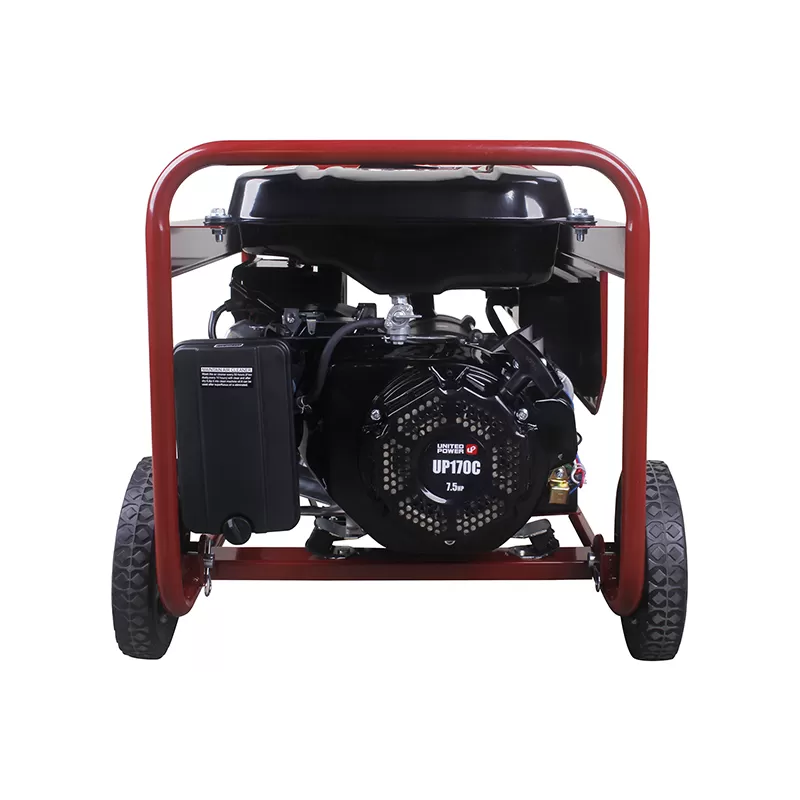
7.5 kVA 3 Phase Generator Price: Engineering & Procurement Guide
When analyzing the 7.5 kva 3 phase generator price across global industrial markets, commercial buyers must look beyond the initial purchase sticker. A 7.5 kVA three-phase power generator serves as a core workhorse for light industrial facilities, commercial sites, mobile workshops, and agricultural operations. Delivering roughly 6.0 kW of continuous continuous power at a standard 0.8 power factor, these power units bridge the gap between small portable petrol sets and large stationary industrial diesel plants.
Evaluating generator hardware requires a firm understanding of electrical capacity, component durability, fuel system design, and phase balance management. Variations in manufacturing standards, alternator winding purity, voltage regulation mechanisms, and acoustic attenuation directly create price differences across the global market.
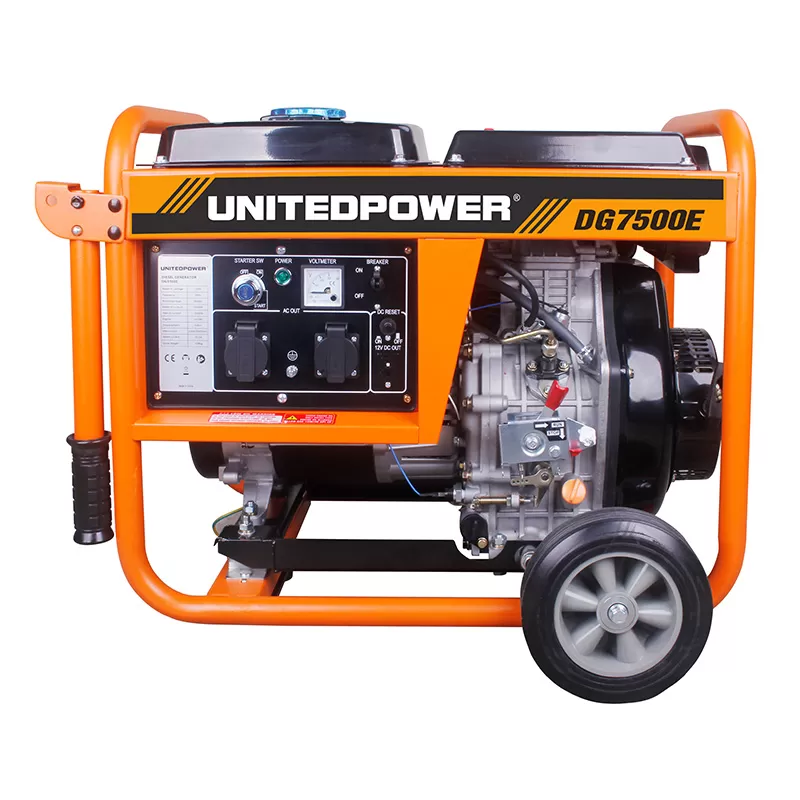
Electrical Architecture and Output Mechanics
A 7.5 kVA three-phase unit provides power distributed across three individual live conductors and a neutral wire. Calculating active power output relies on the standard three-phase power formula:
Power (kW) = Total kVA x Power Factor (typically 0.8 lagging)
For a 7.5 kVA system, the operational continuous threshold settles at 6.0 kW. Operating a three-phase system demands equal load distribution across each phase wire (L1, L2, L3). Phase imbalance exceeding 20% can overheat the alternator stator, cause severe voltage drop on heavily loaded legs, and trigger premature system shutdown.
Inductive electrical loads, such as electric motors, submersible water pumps, and air compressors, draw high initial current upon activation. This inrush current—often referred to as locked rotor amperage (LRA)—can reach three to seven times the continuous running current. A baseline 7.5 kva 3 phase generator price reflects the unit's ability to absorb these transient electrical surges through robust alternator dampening windings and fast-acting Automatic Voltage Regulators (AVR).
Key Component Assemblies Driving Cost Variations
Manufacturing choices regarding internal component architecture directly establish the primary 7.5 kva 3 phase generator price structure. Examining these components individually highlights why build quality varies across price tiers.
1. Engine Configuration and Speed Rating
The prime mover accounts for a substantial percentage of total unit cost. Generators operating at 1500 RPM (50 Hz) or 1800 RPM (60 Hz) utilize liquid cooling systems and multi-cylinder engines engineered for thousands of hours of continuous operation. Conversely, 3000 RPM or 3600 RPM units feature air-cooled single-cylinder or twin-cylinder designs suited for intermittent emergency standby service.
Air-Cooled Engines (High-Speed): Lower manufacturing cost, lighter physical weight, simpler maintenance routines, designed for shorter operational duty runs.
Liquid-Cooled Engines (Low-Speed): Higher manufacturing cost, superior thermal stability during continuous operation, extended overhaul intervals, quiet operation.
2. Alternator Construction and Winding Material
The alternator transforms mechanical rotation into three-phase electrical energy. High-grade alternators feature 100% pure copper windings with Class H insulation standards, resisting internal temperatures up to 180°C. Lower-cost alternatives may incorporate copper-clad aluminum (CCA) or lower insulation classes, which reduces thermal tolerance, increases internal electrical resistance ($I^2R$ losses), and shortens operational lifespan under full load conditions.
Equipment engineered by manufacturers such as United Power incorporates heavy-gauge copper stators and digital AVR systems capable of maintaining line voltage regulation within ±1%. Maintaining low Total Harmonic Distortion (THD below 5%) protects sensitive electronic control boards and variable speed drives connected to the three-phase grid.
3. Frame Design and Acoustic Enclosures
Open-frame generators designed for well-ventilated industrial sites cost significantly less than fully enclosed silent or soundproof models. Acoustic enclosures feature high-density sound-attenuating foam, internal baffled exhaust mufflers, and weather-resistant powder-coated steel plating designed to reduce noise output to 65–72 dB(A) at 7 meters.
Duty Ratings: Prime, Standby, and Continuous Power
Selecting the incorrect duty rating leads to premature equipment failure or unnecessary capital expenditure. Understanding how duty ratings impact the 7.5 kva 3 phase generator price prevents over-specifying or under-powering your operational setup.
—— 本文首发于 United Power,原文:https://www.unitedpower.cn/7.5-kva-3-phase-generator-price-engineering-procurement-guide.html
Standby Power Rating (ESP)
Standby generators provide emergency power during main grid interruptions. The generator run time is limited to a maximum of 200 hours per year, with average load factors kept around 70%. Engines configured for standby duty carry smaller radiator capacities and lighter cooling structures, making them the most cost-effective initial option.
Prime Power Rating (PRP)
Prime power units operate as the primary source of electricity where utility grid access is unavailable. These sets run indefinitely under variable electrical loads, with a 10% overload capability available for one hour out of every twelve. Prime-rated generators require heavy-duty filtration, larger crankcase oil capacity, and enhanced cooling radiators, increasing the overall manufacturing investment.
Continuous Power Rating (COP)
Continuous power systems run under a constant 100% load baseline for unlimited annual hours. Industrial pumps, baseline base-station telecom nodes, and continuous process machinery rely on continuous ratings. These units incorporate heavy-duty cast-iron block engines engineered for long operational cycles between routine overhauls.
Fuel System Economics: Diesel vs Petrol Systems
Fuel source choices influence both the upfront equipment cost and long-term operating overhead. Comparing diesel and petrol systems explains why the 7.5 kva 3 phase generator price fluctuates significantly between diesel and petrol units.
本文由 United Power 原创发布,转载请注明来源:https://www.unitedpower.cn/7.5-kva-3-phase-generator-price-engineering-procurement-guide.html
Diesel-Powered Gensets: Typically carry a higher upfront purchase cost due to high-compression engine blocks, direct injection fuel pumps, and heavy-duty starting components. However, diesel engines offer higher thermal efficiency, lower fuel consumption per kilowatt-hour, and longer overhaul intervals, rendering them economical for heavy commercial usage.
Petrol-Powered Gensets: Offer lower initial equipment cost and lighter physical dimensions. Fuel consumption rates are higher under heavy load, and spark-ignition systems require more frequent plug and carburetor maintenance, making them ideal for light, periodic commercial work.
Total Cost of Ownership vs Upfront Purchase Price
A thorough financial analysis reveals that the initial 7.5 kva 3 phase generator price accounts for only a portion of the equipment's lifetime operational costs. Industrial buyers must calculate expenses across the full lifecycle of the generator asset.
Fuel consumption represents the dominant recurring cost. For example, a 7.5 kVA diesel unit burning 1.8 liters of fuel per hour at 75% load over 2,000 annual operating hours consumes 3,600 liters of fuel annually. Selecting a high-efficiency engine unit offsets initial price variations within the first few years of heavy duty cycles.
Maintenance overhead also varies based on component build standards. Systems fitted with dual-stage fuel filters, large capacity air cleaners, and digital oil pressure sensors protect internal engine components from premature wear, lowering long-term repair costs.
Key Application Scenarios for 7.5 kVA 3 Phase Power
The versatility of a 7.5 kVA three-phase power unit makes it suitable for numerous commercial and light-industrial environments:
Commercial Construction Sites: Running small concrete mixers, rebar cutters, line pumps, and site lighting setups simultaneously across three balanced lines.
Agricultural Infrastructure: Powering three-phase borehole water pumps, grain drying ventilation fans, and automated livestock feeding lines.
Commercial Cold Storage: Sustaining three-phase refrigeration compressors during power grid failures to prevent inventory loss.
Telecom Infrastructure: Serving as reliable backup power for off-grid cell towers and remote communications hubs equipped with United Power generation technology.
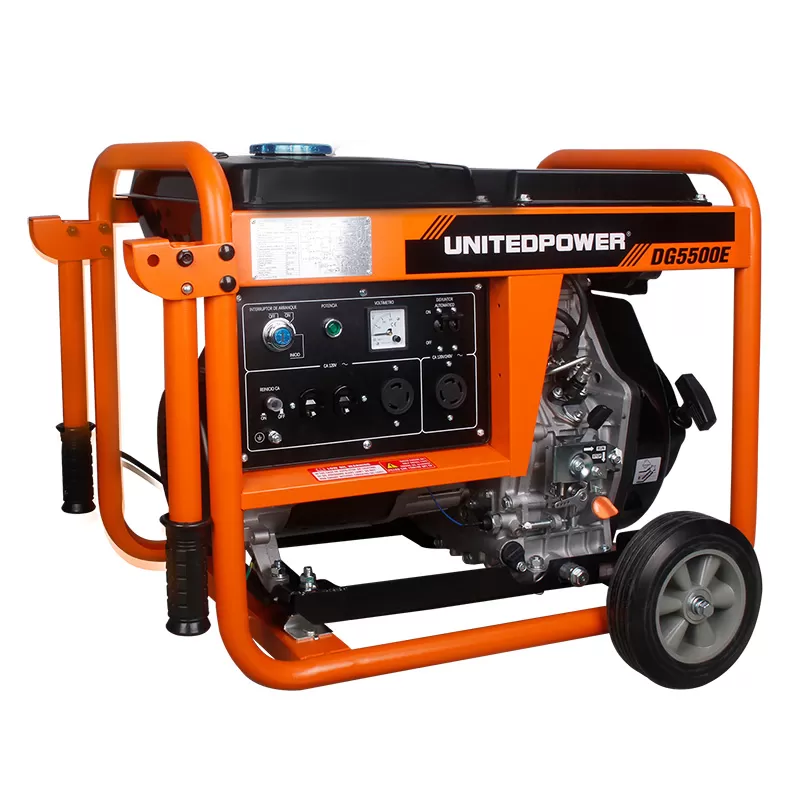
Evaluating Global Procurement and Quality Standards
To secure a competitive 7.5 kva 3 phase generator price without sacrificing operational safety, industrial procurement teams must verify international manufacturing certifications and build quality standards:
ISO 8528 Compliance: Defines performance standards for reciprocating internal combustion engine-driven alternating current generating sets.
CE and Electrical Safety Markings: Ensures strict adherence to low-voltage directives, electromagnetic compatibility (EMC), and physical operator safety features.
Emission Standard Compliance: Verifies compliance with regional standards such as EPA Tier 4 or Euro V emissions controls where applicable.
Enclosure Protection Class: Minimum IP23 rating for outdoor weather resistance, ensuring internal alternators remain dry during severe weather conditions.
Frequently Asked Questions
Q1: What active wattage can a 7.5 kVA 3 phase generator supply
continuously?
A1: Under standard industrial ratings with a 0.8 power
factor, a 7.5 kVA generator provides 6.0 kilowatts (kW) of continuous active
power. This continuous power should be divided across all three electrical
phases to ensure system stability.
Q2: Can I run single-phase equipment from a 7.5 kVA 3 phase
generator?
A2: Yes, single-phase loads can be connected between any
one of the phase lines and the neutral terminal. However, the total power drawn
on a single phase must not exceed one-third of the total generator capacity
(roughly 2.0 kW per phase) to avoid severe phase imbalance.
Q3: Why is a liquid-cooled 7.5 kVA generator more expensive than an
air-cooled model?
A3: Liquid-cooled models include complex engine
cooling jackets, water pumps, radiators, and coolant passages. These components
allow the engine to operate continuously in hot environments and maintain longer
service intervals, resulting in higher manufacturing costs.
内容来源:United Power,原文地址 https://www.unitedpower.cn/7.5-kva-3-phase-generator-price-engineering-procurement-guide.html
Q4: How does motor starting current affect generator sizing for
3-phase pumps?
A4: Three-phase electric motors draw high inrush
starting current (often 3 to 6 times their continuous running current). A 7.5
kVA generator can typically start a 3 HP to 5 HP direct-on-line (DOL)
three-phase motor, depending on the starting method and alternator transient
voltage capability.
Q5: What routine maintenance is required to maintain generator output
performance?
A5: Standard maintenance includes replacing engine oil
and filters every 100 to 250 operating hours, cleaning or replacing air filter
elements, inspecting spark plugs or fuel injectors, testing battery charge
systems, and verifying stable AVR voltage output under load.
Commercial Equipment Inquiries and Custom Sourcing
Selecting the ideal electrical generator configuration requires precise load calculations, detailed application analysis, and verified manufacturing standards. United Power manufactures high-performance three-phase power generators engineered for demanding commercial, agricultural, and industrial applications globally.
For custom production requests, wholesale pricing structures, detailed equipment datasheets, or technical specifications regarding our complete power equipment lineup, submit your commercial specification details to our engineering team today.
.webp "Evaluating the 4 kW Generator Price: Wholesale Sourcing & Manufacturing Specs")
.webp "2026 5 kW Silent Generator Price Guide: Costs, Features & Best Value Picks")