3 kVA Diesel Generator Price: B2B Buyer’s Technical & Sourcing Guide
Procuring low-capacity standby and prime power systems requires an exhaustive evaluation of electrical specifications, build durability, and total lifecycle expenditure. Within commercial, telecommunications, and light industrial sectors, the 3 kVA diesel generation unit represents a critical operational asset. Calculating the genuine 3 kva diesel generator price involves investigating raw mechanical inputs, alternator topology, noise attenuation engineering, and international shipping parameters rather than merely comparing catalog sticker numbers.
For procurement directors, engineering contractors, and wholesale distributors, purchasing equipment at scale demands clear insight into component provenance and manufacturing execution. Diesel technology in this output band operates within challenging environments, from remote cellular base transceiver stations (BTS) to mobile service vehicles and construction sites. The capital allocation directed toward this machinery must correlate precisely with mean time between failures (MTBF), thermal tolerance, and local emissions compliance.
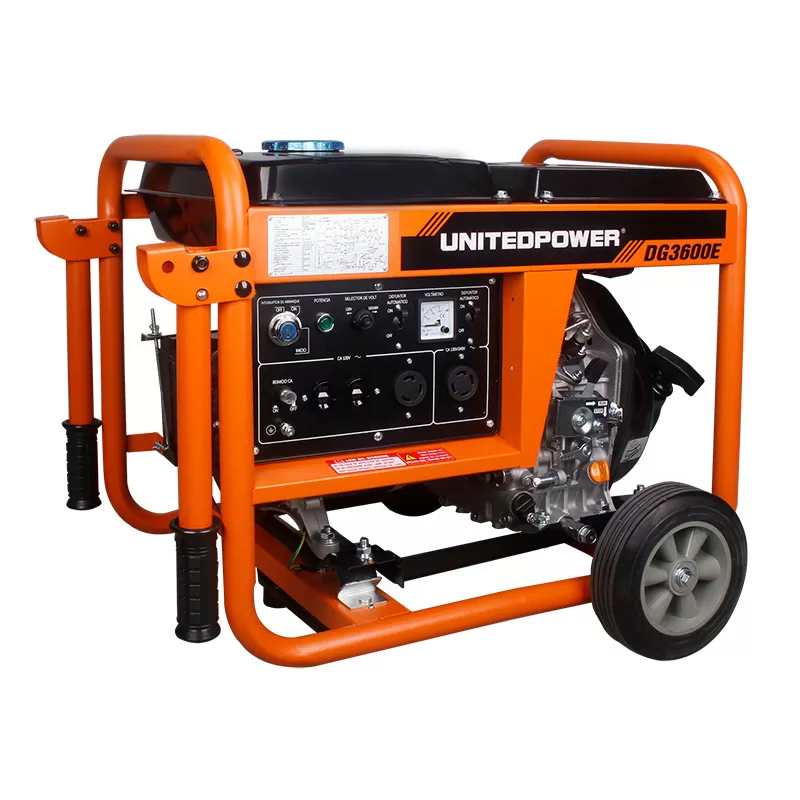
Core Architectural Drivers of the 3 kva Diesel Generator Price
Equipment manufacturing economics operate on exact component metrics. Understanding the baseline 3 kva diesel generator price begins by dissecting the core subsystems: the prime mover, the generator end, structural chassis fabrication, and control electronics.
Internal Combustion Engine Architecture
The primary cost driver in a 3 kVA set is the single-cylinder, four-stroke diesel engine. Displacement typically ranges from 211cc to 296cc, utilizing a direct-injection fuel delivery system. Lower-cost variations utilize mechanical pump-line-nozzle configurations designed strictly for unregulated territories. Advanced engines designed for restricted markets integrate precision common-rail or modified direct-injection systems to comply with modern emissions regimes.
Material selection within the power block influences longevity and direct unit pricing:
- Cylinder liner metallurgy: Centrifugally cast iron liners offer superior heat dissipation and wear resistance compared to basic cast alloys.
- Crankshaft construction: Forged alloy steel crankshafts withstand continuous cyclic stress far better than nodular cast iron counterparts.
- Cooling mechanism: Forced-air cooling using an integrated flywheel fan minimizes total dry weight, while closed-circuit liquid cooling adds component count and manufacturing expense, adjusting the bottom-line unit investment accordingly.
Alternator Topology and Electrical Quality
Alternator engineering determines power stability and operational longevity. The integration of 100% electrolytic copper windings versus copper-clad aluminum (CCA) presents a major point of divergence in performance and acquisition cost. Copper windings provide lower internal resistance, minimize thermal degradation under inductive load surges, and maintain continuous thermal ratings up to Class H insulation standards.
Voltage stabilization represents another core cost variance. Modern electronic Automatic Voltage Regulators (AVR) maintain steady-state voltage margins within plus or minus 1.5%. Specialized equipment running harmonic-sensitive loads requires an alternator engineered for low Total Harmonic Distortion (THD), typically maintained below 5%. United Power designs its alternating current machinery to maintain stable waveforms under transient loads, engineering magnetic flux circuits with premium non-oriented electrical steel laminations.
Chassis, Sound Attenuation, and Vibration Isolation
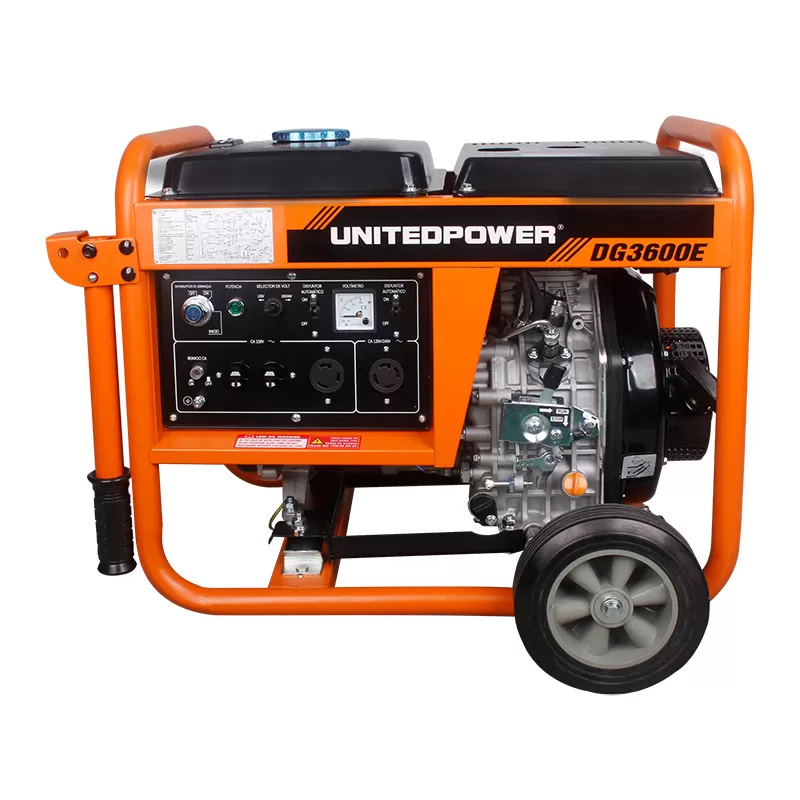
Mechanical presentation categorizes 3 kVA units into two primary variants: open-frame and soundproof (canopy). This packaging structural design heavily dictates production overhead and unit pricing.
| Engineering Variant | Acoustic Output (dBA @ 7m) | Enclosure Material Specification | Primary Application Profile |
|---|---|---|---|
| Open-Frame Industrial | 78 - 85 dBA | Tubular steel frame, anti-vibration rubber mounts | Construction, unpopulated remote infrastructure, agricultural pumping |
| Acoustic Canopy (Silent) | 68 - 74 dBA | Galvanized sheet steel, rock wool insulation, dual-exhaust baffling | Telecommunications, commercial retail backup, urban job sites |
Sound-attenuated units necessitate substantial engineering design. Fabricating an acoustic enclosure involves multi-stage sheet metal stamping, electro-deposition primer coating, exterior-grade thermoset powder application, and high-density, fire-retardant sound insulation materials. The mechanical tooling and production labor required for canopy units directly elevate the overall unit production cost over bare structural frames.
Total Cost of Ownership: Analyzing Operational Economics
Strategic B2B purchasing agents evaluate equipment investments based on life-cycle operational metrics rather than nominal invoice costs. A thorough examination of the 3 kva diesel generator price incorporates specific fuel oil consumption (SFOC), servicing cycles, and asset depreciation.
Diesel power systems command a higher initial capital outlay than gasoline-powered counterparts. The operational justification rests on thermal efficiency and engine endurance. A representative single-cylinder diesel unit delivering 2.5 kW to 3.0 kW continuous load consumes approximately 280 to 320 grams of fuel per kilowatt-hour (g/kWh). Gasoline units run at significantly higher fuel burn rates under identical loads. Over a typical 3,000-hour operational cycle, fuel savings frequently exceed the entire initial capital cost of the diesel generator.
Preventative maintenance regimes also govern extended ownership expenses. Standard design characteristics influencing operational maintenance include:
- Lube oil capacity and filtration: Systems featuring spin-on, full-flow lubricating oil filters lengthen safe service intervals up to 200 or 250 operating hours, compared to rudimentary splash-lubricated units requiring oil renewals every 50 to 100 hours.
- Air filtration capacity: High-efficiency cyclonic or dual-stage element air filtration extends piston ring and cylinder bore life in high-particulate construction or desert operating environments.
- Fuel injector serviceability: Readily accessible, mechanically rebuildable injector assemblies decrease field downtime and simplify scheduled overhauls.
Global Sourcing, Regulatory Compliance, and B2B Procurement
Importing generation equipment at volume introduces external supply chain variables that shape the landed financial equation. When assessing the 3 kva diesel generator price on an FOB (Free on Board) or CIF (Cost, Insurance, and Freight) basis, commercial buyers must coordinate logistical, structural, and regulatory criteria.
Container packing geometry forms an integral element of landed unit costs. Open-frame models permit high packing densities, stacking efficiently within standard 40-foot High Cube (40HQ) shipping containers. Canopy models, possessing larger volumetric footprints, reduce the total unit count per container, elevating the per-unit ocean freight factor. Commercial terms negotiated with manufacturers like United Power enable optimized container layout schemes, protecting critical panels and exhaust components during transoceanic transit while maximizing container volume efficiency.
Regulatory certification standards dictate unit entry into specific economic territories. Products intended for the European Union require CE machinery directives, low-voltage alignment, and adherence to Stage V non-road mobile machinery emissions limits. Sourcing units for North America demands EPA compliance, which requires specific fuel tank venting designs, catalytic treatment arrays, and calibrated fuel delivery systems. Sourcing products devoid of these engineering requirements for tightly regulated destinations invites customs rejection, impoundment, or severe administrative penalties.
Industrial and Commercial Deployment Scenarios
Analyzing application parameters ensures the selected electrical capacity and engine platform meet precise duty cycle demands.
Telecommunications and Off-Grid Infrastructure
Remote telecommunication nodes rely on continuous DC power supplies backed by battery arrays. A 3 kVA generation asset functions either as an automated prime power source running on a cyclic timer or as an emergency power failsafe during grid brownouts. In these autonomous deployments, deep-cycle reliability, automated DC start-stop signaling capabilities, and extended-run internal fuel cells take precedence over simple price considerations.
Mobile Service Fleets and Field Engineering
Mobile emergency repair units, railway track maintenance crews, and pipeline inspection teams require rugged, localized alternating current power. The prime mechanical demands are compact spatial footprints, integrated lift-rigging points, and resistance to continuous transit vibration. Open-frame units equipped with industrial auxiliary power sockets, residual current devices (RCD), and thermal circuit breakers satisfy these field demands directly.
Light Commercial and Agricultural Systems
Small-scale agricultural irrigation, deep-well submersible pumps, and cold-storage operations require dependable transient motor-starting capacities. Induction electric motors exhibit inrush currents between three to five times their standard running amperage. Selecting a generator platform with high alternator surge capacity—supported by adequate rotor inertia—prevents engine stalling and avoids severe system voltage sags during motor startup cycles.
Supply Chain Quality Assurance and Factory Auditing
B2B procurement programs must verify that production standards conform directly to written engineering specifications. Variations in factory quality controls separate high-tier commercial machinery from short-lived consumer units.
Factory Acceptance Testing (FAT) protocols must encompass rigorous operational steps:
- Step load testing: Verifying instantaneous frequency recovery and voltage regulation when stepping from 0%, to 50%, 75%, and 100% of the rated prime power threshold.
- Overload capacity verification: Operating the set at 110% of rated capacity for one continuous hour to monitor thermal equilibrium and exhaust gas temperature profiles.
- Insulation resistance testing: Megohmmeter testing of stator and rotor windings under dynamic moisture and thermal conditions to guarantee dielectric breakdown safety margins.
- Vibration and deflection analysis: Accelerometer measurements across the engine-alternator mounting bed to prevent premature metal fatigue and catastrophic fastener loosening.
Partnering with vertically integrated industrial producers ensures rigorous component traceability across every manufacturing step. United Power implements strict quality management controls across foundry operations, automated winding processes, sheet steel fabrication, and multi-point dyno testing cells.
Frequently Asked Questions
What is the difference between kVA and kW ratings on a 3 kVA generator?
Kilovolt-amperes (kVA) represent apparent power, while kilowatts (kW) represent actual real power delivered to a circuit. In single-phase generation systems, the operational power factor is typically rated at 1.0, meaning a 3 kVA unit supplies up to 3 kW of real power. In three-phase applications, the international industry standard power factor is 0.8. In that scenario, a 3 kVA unit yields 2.4 kW of actual usable work capacity (3 kVA x 0.8 = 2.4 kW). Specifications must be verified against targeted real load requirements prior to fleet ordering.
How does fuel quality affect operational longevity in low-displacement diesel generators?
Single-cylinder diesel injection equipment utilizes high mechanical tolerances to atomize fuel cleanly. Poor-quality diesel containing particulate debris, high sulfur percentages, or suspended water leads to accelerated nozzle erosion, fuel pump barrel wear, and severe cylinder carbon build-up. Integrating primary water-separating fuel filters and procuring units fitted with surface-hardened fuel metering components protects against erratic field fuel qualities.
Why does an acoustic silent canopy affect the 3 kva diesel generator price so noticeably?
An acoustic canopy represents an engineered noise and thermal dissipation cell, not simply a decorative metal box. It requires precision laser-cut galvanized sheet steel, complex internal acoustic baffling to direct airflow while suppressing sound waves, specialized fire-resistant sound-absorbing foam or rock wool, auxiliary cooling fans, and high-performance exhaust silencers. These material additions, combined with extended assembly line operations, significantly scale baseline manufacturing expenses.
Can a 3 kVA diesel generator handle reactive loads with high starting currents?
Yes, provided the unit incorporates a high-specification copper-wound alternator and an electronic automatic voltage regulator with dynamic excitation support. Inductive loads like compressors, air conditioners, and submersible pumps pull massive initial current surges. Sizing calculations must confirm that the combined starting inrush does not exceed the short-term peak kVA threshold of the machine, which is typically 10% to 15% above continuous nameplate capacity for up to 10 seconds.
What routine spare parts inventory should accompany a commercial fleet purchase?
A standard procurement program should budget for a 1,000-hour operational maintenance package per machine. This includes replacement air filter elements, spin-on or cartridge fuel filters, lube oil filter screens, replacement injector nozzles, spare AVR control modules, starter motor solenoids, and heavy-duty vibration isolators. Securing consolidated spare parts directly with the original equipment manufacturer preserves optimal supply chain costs.
Commercial Sourcing and Procurement Next Steps
Finalizing an optimized equipment investment requires balancing operational reliability with long-term cost frameworks. Every technical variation—from mechanical governing versus electronic governing, to open-skid configurations versus weather-protective enclosures—influences the bottom-line 3 kva diesel generator price. Enterprise procurement teams, industrial plant managers, and equipment distributors require tailored manufacturing configurations that fit their target regulatory zones and localized operational environments.
To request technical datasheets, verify container-load factory pricing, or discuss OEM development capabilities for low-displacement diesel power generation equipment, direct your formal procurement requirements to our engineering and sales desk. Submit your project requirements, target volumes, and detailed electrical specifications to begin the corporate quotation process.