7 Engineering Factors to Identify the Best Portable Gasoline Generator for Commercial Equipment
Mobile power solutions serve as an operational backbone across construction sites, municipal repair projects, agricultural infrastructure, and remote industrial operations. When primary electrical grids are inaccessible or unstable, equipment operators rely on internal combustion generator sets to maintain continuous productivity. Determining the best portable gasoline generator requires a detailed analysis of engine architecture, alternator thermal properties, voltage regulation electronics, and long-term mechanical reliability under heavy load cycles.
Procurement managers and fleet operators must look beyond superficial power ratings. Evaluating displacement capacity, winding metallurgy, transient load response, and structural vibration dampening reveals how a unit performs under demanding job site conditions. Equipment longevity hinges on component quality and precise electrical matching between the power source and connected tools.
.webp?t=1785320354631 "best portable gasoline generator")
Fundamental Engine Architecture and Mechanical Design
Four-Stroke Overhead Valve Engine Mechanics
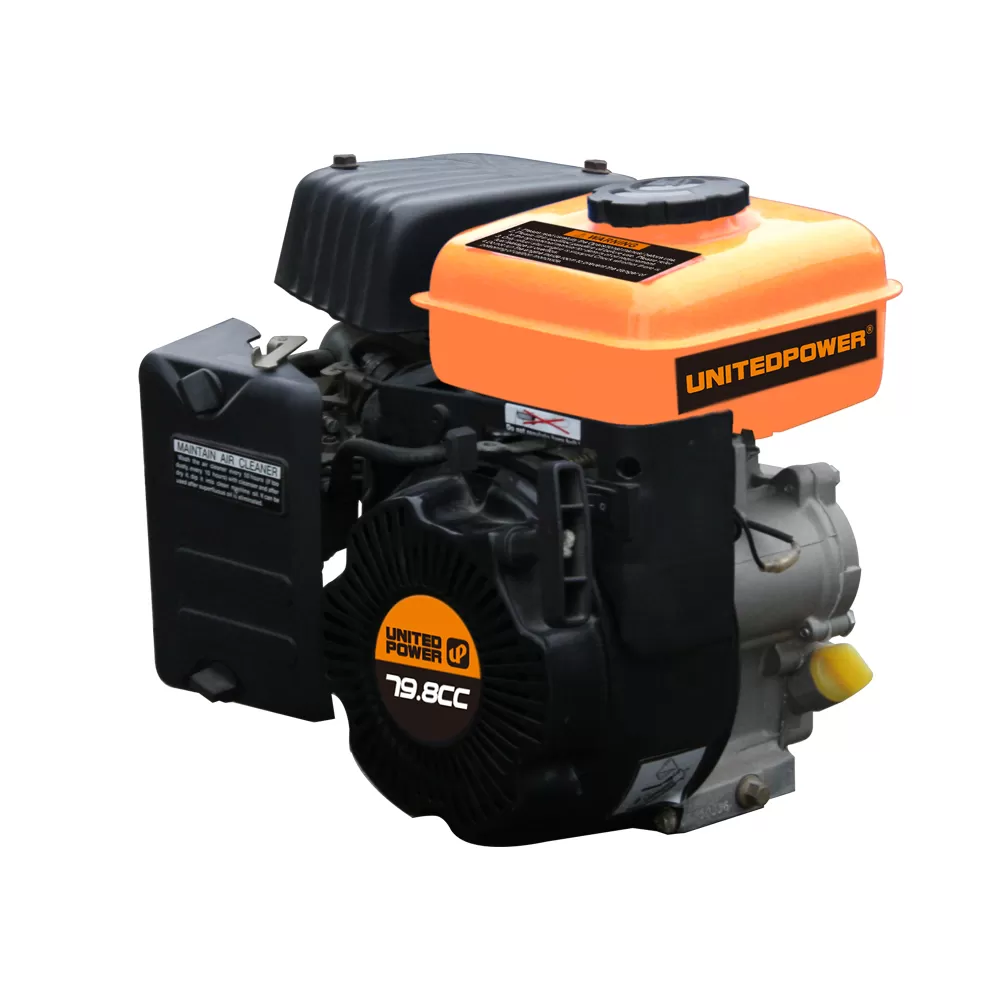
Modern commercial gasoline generators utilize four-stroke overhead valve (OHV) engines ranging from 210cc to over 450cc displacement. OHV designs place the intake and exhaust valves directly above the combustion chamber. This orientation promotes efficient fuel-air mixing, complete combustion, and lower carbon deposit build-up over extended runtime hours. Cast iron cylinder sleeves provide high resistance against cylinder wall scoring caused by thermal expansion during prolonged high-output runs.
Piston design and ring composition play a fundamental role in oil control and compression retention. High-silicon aluminum alloy pistons combined with chrome-faced steel compression rings maintain tight mechanical tolerances under severe heat. This structural configuration minimizes blow-by gases, preserves crankcase oil purity, and supports stable horsepower delivery across varying ambient operating temperatures.
Fuel Delivery and Ignition Calibration
Carburetor calibration directly influences transient response when heavy electrical loads engage suddenly. Premium power units incorporate precision-machined float carburetors or electronic fuel injection setups that adjust fuel metering relative to engine RPM changes. Electronic transistorized ignition ensures reliable recoil or electric starting under variable ambient temperatures, preventing operational delays in adverse field environments.
Fuel tank construction must also withstand physical impact and chemical degradation. Heavy-gauge stamped steel tanks treated with internal anti-corrosion coatings protect fuel lines and carburetor jets from rust particles. Integrated fuel strainers filter out sediment during field refilling, preserving fuel pump diaphragms and maintaining smooth engine idling.
Alternator Engineering and Power Quality Metrics
Stator and Rotor Winding Metallurgy
The core of electrical conversion is the alternator assembly. Commercial buyers must differentiate between standard aluminum windings and 100% oxygen-free copper windings. Copper exhibits significantly lower electrical resistance, reduced heat generation under full current output, and superior thermal tolerance. This construction directly extends operational life and lowers voltage drop across extended power distribution cables.
Lamination steel quality within the stator core determines magnetic efficiency. High-permeability silicon steel laminations reduce eddy current losses and hysteresis heating. When combined with high-grade class H insulation enamel on the copper wire, the alternator withstands internal operating temperatures reaching up to 180°C without risk of winding breakdown or short-circuit failure.
Automatic Voltage Regulation and Sine Wave Integrity
Inductive loads, such as electric motors, submersible pumps, and heavy power tools, induce sharp voltage spikes and drops upon startup. Integrated Automatic Voltage Regulators (AVR) actively monitor output voltage at the stator and adjust rotor excitation field strength within milliseconds. This dynamic feedback loop maintains steady output, typically within tight +/- 1.5% tolerances.
To operate sensitive microprocessors in field measurement devices, clean sine wave output with low Total Harmonic Distortion (THD)—ideally under 5%—is necessary to prevent equipment overheating and electronic signal interference. Identifying a unit capable of delivering this steady wave integrity is central to selecting the best portable gasoline generator for varied equipment loads.
Load Dynamics and Power Output Calculations
Differentiating Running Wattage and Surge Wattage
A primary cause of generator field failure stems from miscalculating total power requirements. Continuous running wattage denotes the electrical output a generator can deliver steadily over hours of operation. In contrast, peak or surge wattage accommodates the momentary locked-rotor inrush current required by electric motor starters, pumps, and compressors during startup.
Resistive Loads: Equipment such as quartz lighting and heating elements demand identical running and starting wattage.
Inductive Loads: Equipment featuring electric motors requires 2 to 4 times higher surge wattage for 0.5 to 2 seconds during motor acceleration.
Capacitive Loads: Modern electronic systems require stable current delivery without sudden voltage steps or frequency drift.
For example, a 1.5 horsepower electric water pump may require 1,800 watts during steady operation, yet demand up to 4,500 watts for a fraction of a second to overcome mechanical inertia. A properly specified system handles these high-amp transient spikes without stalling the combustion engine or triggering premature circuit breaker trips.
Balance of Electrical Phases and Circuit Protection
Commercial applications often require single-phase 120V/240V dual-voltage outputs or three-phase configurations. Generators incorporating split-phase alternators with select-switch circuit breakers allow operators to route full rated wattage to single high-voltage receptacles or balance loads across multiple standard branch circuits without damaging individual winding phases.
Magnetic circuit breakers provide faster response to thermal overloads and short circuits than basic thermal breakers. Combined with Ground Fault Circuit Interrupter (GFCI) duplex outlets, these protective components safeguard operator safety and prevent permanent winding damage during severe ground fault conditions on wet job sites.
Structural Durability, Sound Attenuation, and Ergonomics
Chassis Frame Construction and Isolation Dampers
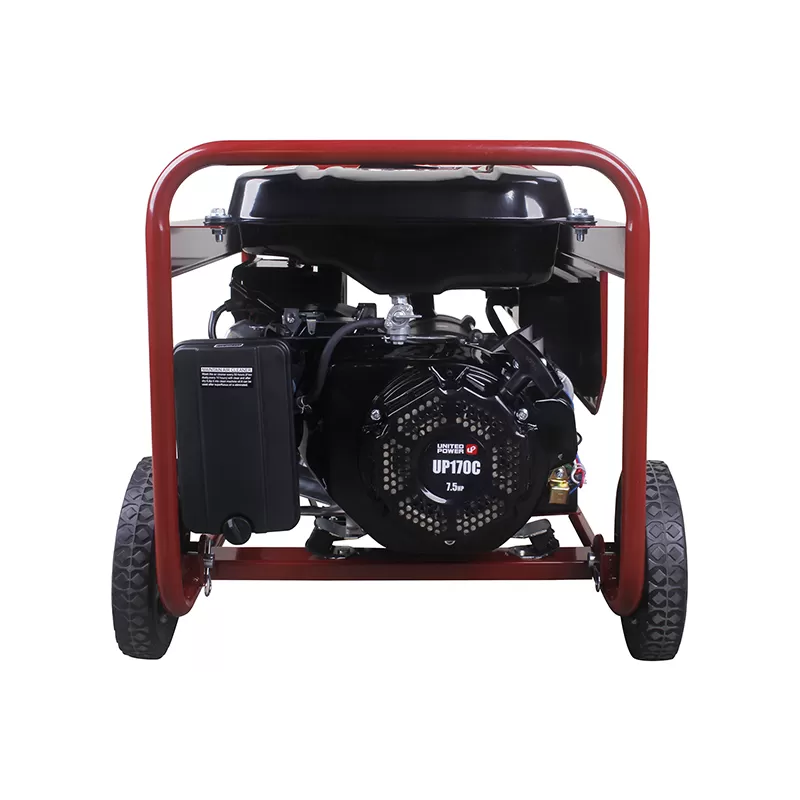
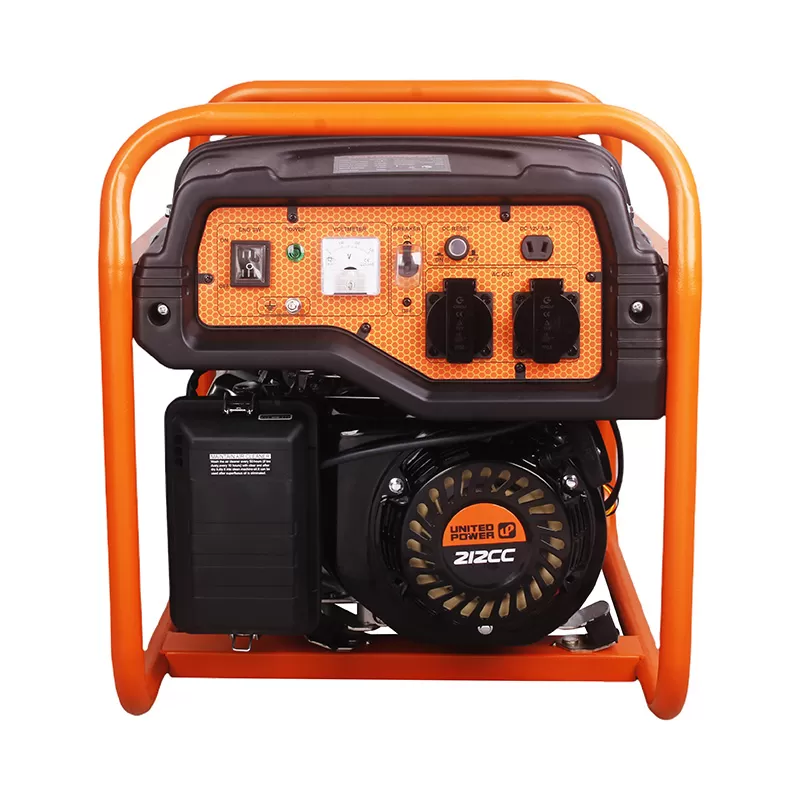
Physical durability on rough job sites demands heavy-duty tubular steel frames, manufactured with 28mm to 32mm structural steel tubing treated with powder-coated rust resistance. High-durometer rubber anti-vibration mounts isolate engine vibration from the external frame. This isolation prevents mechanical fastener loosening, structural frame fatigue, and unwanted movement across hard concrete surfaces.
Frame geometry should also protect critical engine components from overhead falling debris. Integrated fold-down handles and puncture-proof solid rubber wheels facilitate transit across unpaved terrain, gravel, and muddy construction environments without requiring external lifting equipment.
Muffler System Design and Noise Abatement
Industrial site regulations frequently impose sound output limits measured in decibels (dBA) at a 7-meter radius. Standard open-frame gasoline units generate noise levels between 68 dBA and 76 dBA under half load. Muffler assemblies featuring multi-chamber internal baffle geometry and integrated spark arrestors reduce exhaust noise while maintaining low backpressure, preserving engine horsepower output and meeting environmental safety standards.
Manufacturing Precision and Standards at United Power
To supply global markets with high-grade power equipment, United Power enforces precise engineering controls throughout every stage of production. Power units undergo rigorous testing protocols, including full-load electrical tests, transient load response evaluations, and oil-pressure safety valve verifications. By combining high-density copper alternators with precision-built OHV engines, United Power ensures that each power system delivers predictable mechanical performance and continuous power stability under demanding environmental conditions.
Component selection at United Power prioritizes operational longevity. From heavy-gauge fuel tanks equipped with integrated strainers to oversized low-tone mufflers, manufacturing controls focus on extending maintenance intervals and maximizing overall operational life for commercial fleets.
Fleet Maintenance Protocols for Extended Service Life
Lubrication Schedules and Protection Features
Engine oil deterioration is a primary driver of mechanical wear in continuous-duty engines. Integrated low-oil sensor switches trigger an automatic engine shutdown when crankcase oil drops below operating levels, preventing friction damage to connecting rods and crankshaft journals. Service protocols require initial oil replacement after the first 20 operating hours, followed by recurring maintenance every 100 operating hours using specified multi-viscosity engine oils.
Fuel System Preservation and Storage Protocols
Gasoline containing ethanol absorbs atmospheric moisture over time, leading to phase separation, fuel line oxidation, and gum formation inside carburetor jets. Commercial operators managing mobile fleets must utilize fuel stabilization additives or drain carburetors completely prior to extended storage. Clean air filtration—using dual-element foam and paper filters—prevents airborne abrasive particles from entering the combustion chamber on dusty job sites.
Evaluating the Best Portable Gasoline Generator for Specific Job Sites
Different operational contexts dictate specific equipment configurations. Procurement officers evaluating the best portable gasoline generator must align physical and electrical specifications with intended field duties:
Construction Job Sites: High surge capacity, GFCI protected outlets, heavy-duty wheel kits, and rugged steel roll cages to withstand daily site movement.
Agricultural Pumping and Utilities: Extended-run fuel tanks capable of 10 to 12 hours of continuous operation at 50% load, continuous automatic voltage regulation, and high surge margins for heavy pump motors.
Commercial Service Vehicles: Compact frame dimensions, electric key start options, low sound profiles, and dedicated 240V twist-lock receptacles to power onboard welding or air compression units.
Understanding these operational demands allows equipment buyers to select a unit that balances physical mobility with precise power delivery. Investigating factors like transient response times and copper alternator density helps distinguish the best portable gasoline generator from lower-grade commercial alternatives.
Frequently Asked Questions
Q1: How does an Automatic Voltage Regulator (AVR) protect sensitive electrical equipment connected to a generator?
A1: An Automatic Voltage Regulator monitors output voltage directly from the alternator windings and dynamically adjusts the excitation current delivered to the rotor. This process stabilizes voltage fluctuations during sudden load shifts, keeping output within safe operational limits and preventing thermal or electrical damage to microcontrollers and electronic tool controls.
Q2: Why are 100% copper alternator windings preferred over aluminum windings in commercial gasoline generators?
A2: Copper features lower electrical resistivity and superior thermal conductivity compared to aluminum. This results in reduced heat generation, lower power losses, higher current tolerance under peak surge loads, and significantly longer insulation life, making copper windings superior for continuous heavy-duty applications.
Q3: What is the significance of Total Harmonic Distortion (THD) when operating motor-driven equipment and electronics?
A3: Total Harmonic Distortion measures the deviation of an AC voltage waveform from a clean sine wave. High THD levels above 10% cause electrical noise, increased heat in electric motors, and potential processing errors in sensitive digital tools. Low THD below 5% ensures smooth power delivery and broad equipment compatibility.
Q4: What routine maintenance ensures a portable gasoline generator remains reliable during extended downtime?
A4: Key maintenance steps include draining or stabilizing fuel in the tank and carburetor, regularly checking and changing crankcase engine oil, inspecting and cleaning the dual-element air filter, checking spark plug gap clearance, and running the generator under light load for 20 minutes every month to keep internal alternator components free of residual moisture.
Q5: How do I calculate the required generator size for running multiple tools simultaneously?
A5: Sum the continuous running wattage of all tools intended to operate concurrently. Identify the tool with the highest starting surge wattage requirement, and add that differential starting wattage to the total running wattage. Select a generator whose continuous rated output covers this combined sum with an additional 15% to 20% safety margin.
Q6: Can a commercial gasoline generator be integrated into single-phase and three-phase electrical systems?
A6: Yes, provided the generator is configured with appropriate voltage selector switches and terminal connections matching the target electrical setup. Dual-voltage units (120V/240V) serve standard single-phase circuits or feed balance distribution panels, whereas specialized three-phase configurations are required for industrial machinery requiring 208V or 480V three-phase input.
B2B Procurement and Custom Manufacturing Solutions
Selecting commercial power solutions involves matching mechanical specifications with specific operational demands. United Power manufactures a broad range of gasoline engine generators, water pumps, and industrial power units designed for demanding commercial applications worldwide.
To request product specification sheets, bulk pricing schedules, or custom engineering options for your equipment fleet, contact the engineering and sales division at United Power. Our team works directly with global distributors, equipment hire companies, and commercial contractors to supply field-proven power equipment tailored to your exact operational requirements. Submit an inquiry today to discuss specific project requirements and distribution partnerships.
.webp "Engineering Guide to Sizing and Deploying a 10 kW Generator 3 Phase System")