What Determines the Actual Diesel Generator 3kVA Price in Commercial Procurement?
Selecting reliable primary or auxiliary power equipment requires a thorough balance between capital expenditure and operational performance. Compact compression-ignition power units rated at 3 kilovolt-amperes (kVA) serve as reliable workhorses across diverse sectors, including remote telecommunications, light civil construction, agricultural pumping, and mobile service fleet operations. When evaluating the current diesel generator 3kva price across major international manufacturing hubs, procurement managers must look beyond initial invoice numbers. True acquisition value reflects engine architecture, alternator quality, acoustic engineering, and long-term fuel efficiency. Leading equipment manufacturers like United Power design single-cylinder power units to meet stringent duty-cycle demands while managing lifecycle costs.
A standard 3kVA power system provides an apparent power rating of 3000 volt-amperes. Assuming a standard commercial power factor of 0.8, this equates to a continuous real power output of 2.4 kilowatts (kW). This continuous working output makes 3kVA single-phase generators ideal for powering localized resistive loads, low-draw inductive motors, digital control hardware, and emergency backup circuitry. Understanding the mechanical components and build variations behind these units enables engineering teams to make informed commercial acquisitions.
.webp?t=1785143189100 "UD170 (5)")
Mechanical and Engineering Drivers Behind Pricing Structures
The internal combustion engine serves as the single largest cost driver in small-capacity generator systems. Small-footprint diesel units typically utilize single-cylinder, four-stroke, direct-injection engines with displacement figures ranging between 211cc and 305cc. Compression ratios generally operate between 19:1 and 20:1, ensuring rapid compression ignition without the necessity of complex electrical pre-heating systems in moderate climates.
Engines manufactured with cast-iron cylinder liners, forged steel crankshafts, and heavy-duty aluminum alloy crankcases carry higher production expenditures than lower-grade aluminum-block alternatives. These mechanical enhancements increase thermal tolerance and structural rigidity under continuous peak loading, directly impacting operational lifespan. Consequently, understanding how structural components directly affect the diesel generator 3kva price is paramount for commercial teams targeting extended equipment replacement cycles.
Alternator Construction and Power Quality
The electrical generator portion—or alternator—is equal in importance to the engine core. Alternators manufactured with 100% electrolytic copper wire windings command higher market prices than copper-clad aluminum (CCA) equivalents. Pure copper windings exhibit significantly lower electrical resistance, minimizing thermal losses ($I^2R$ losses) and operating temperatures during sustained heavy loads.
Voltage regulation quality forms another key pricing variable. Basic mechanical governor systems adjust engine speed to manage electrical output, leading to noticeable voltage droop and frequency fluctuation when heavy loads are suddenly engaged. Advanced units incorporate digital Automatic Voltage Regulators (AVR) that actively monitor output terminal voltage and regulate rotor excitation current in real time. This maintains a stable terminal voltage within a ±1.5% tolerance band, preventing harmful voltage spikes from reaching sensitive monitoring hardware or digital tools.
Brushless vs. Brushed Alternator Designs: Brushless alternators eliminate carbon brushes and slip rings, reducing mechanical wear and electrical noise while extending maintenance intervals.
Insulation Ratings: Class H insulation systems withstand operating temperatures up to 180°C, providing superior protection against insulation breakdown in hot ambient environments.
Harmonic Distortion (THD): High-spec alternators limit Total Harmonic Distortion to under 5%, preserving clean sine-wave delivery for delicate power supplies.
Enclosure Types and Structural Configurations
Physical framing and acoustic shielding significantly influence total unit cost. Manufacturers produce small diesel generators in two primary structural configurations: open-frame units and enclosed soundproof (silent) canopies.
Open-Frame Units
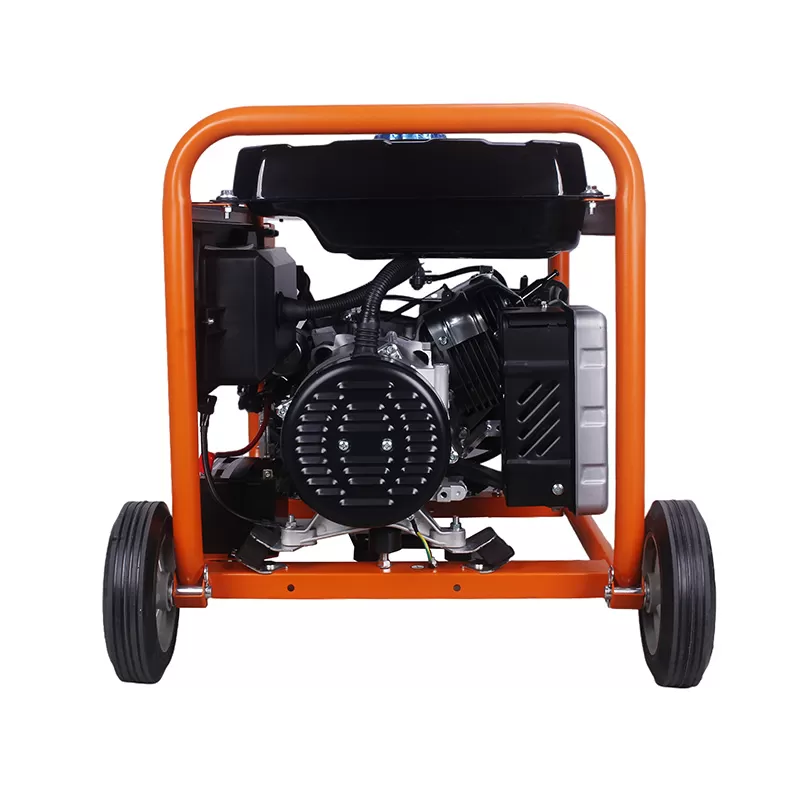
Open-frame designs mount the engine and alternator directly to a heavy-gauge tubular steel frame via anti-vibration rubber mounts. These units offer maximum passive air cooling, unhindered access for routine maintenance, and reduced total weight—often under 70 kilograms. Open-frame units represent the baseline baseline entry point when analyzing market pricing, making them suitable for well-ventilated, noise-tolerant locations such as remote civil works or open construction sites.
Silent and Soundproof Enclosures
Soundproof units house the internal engine-alternator assembly within a heavy-gauge, cold-rolled steel canopy lined with high-density acoustic foam. Exhaust gases pass through multi-chamber industrial mufflers to attenuate low-frequency engine pulses. A soundproof canopy drops operational sound pressure levels from roughly 88-92 dBA at 7 meters down to 68-72 dBA at 7 meters.
Designing effective airflow paths within an enclosed canopy requires internal cooling fans, targeted air intake ducts, and oil-cooling radiators to prevent thermal overload. These additional structural components, combined with weather-resistant powder coatings and lockable access doors, explain why an enclosed soundproof unit commands a noticeable price premium over an open-frame counterpart.
Total Cost of Ownership: Operating Beyond the Purchase Price
Purchasing decisions based solely on the upfront diesel generator 3kva price often overlook long-term fuel economy, oil consumption, and preventative maintenance schedules. High-efficiency diesel units offer substantial operational cost advantages over comparable gasoline (petrol) units over a 3,000-hour working lifespan.
At 75% rated prime load (1.8 kW working output), a modern single-cylinder direct-injection diesel engine typically consumes between 0.75 and 0.95 liters of fuel per hour. Gas-powered units of equivalent output often consume between 1.4 and 1.8 liters per hour under identical loading conditions. Given the global variance in commercial fuel pricing, the fuel savings provided by a high-efficiency diesel power set can offset the initial purchase cost difference within 1,200 to 1,800 running hours.
Maintenance Overhead and Component Durability
Industrial diesel power plants operate without spark plugs, carburetors, or ignition coils—the three components responsible for most field service calls in small gas engines. Diesel ignition relies strictly on high thermal compression, reducing electronic component failure rates. Scheduled servicing primarily involves:
Periodic engine oil replacements every 100 to 250 operating hours, depending on sump capacity and oil specification.
Primary and secondary fuel filter servicing to remove microscopic particulate matter and water contamination from high-pressure injection pumps.
Air intake filter cleanings or replacements to preserve correct air-fuel ratios in dusty operating sites.
Periodic mechanical valve clearance inspections to maintain optimal intake and exhaust timing.
Commercial Applications and Deployment Scenarios
Small-capacity diesel units serve vital power roles across various industrial sectors due to their transportability, durable engine operation, and extended run times per fuel tank fill.
Telecommunications and Remote Infrastructure
Cellular backhaul towers, remote microwave repeaters, and off-grid radio stations require reliable power to prevent network outages. Small diesel generators serve as reliable backup units paired with primary solar or battery systems. In off-grid deployments where United Power builds customized power frames, low daily fuel consumption and automatic remote starting capabilities ensure continuous operations in remote sites.
Light Construction and Mobile Fleet Maintenance
Field repair vans, highway maintenance crews, and utility utility teams require reliable power for electric impact wrenches, angle grinders, portable arc welders, and floodlight arrays. A 3kVA single-phase generator provides sufficient surge capacity to overcome high starting currents (inrush currents) typical of electric motor-driven tools without stalling the engine core.
Agricultural Pumping and Emergency Backup
Small-scale agricultural irrigation systems use 3kVA generators to run low-horsepower surface pumps and submersed bore pumps in locations isolated from the main electrical grid. The high torque output characteristic of diesel power plants allows them to handle transient inductive loads far more effectively than small gasoline engines.
Market Comparison: Specifying the Correct Power Unit
Procurement departments often evaluate multiple market tiers when reviewing equipment options. Understanding how technical choices correlate to product reliability helps clarify why this variance in manufacturing standards explains why the diesel generator 3kva price ranges significantly across global vendors.
Low-cost consumer-grade units frequently utilize cast aluminum alternator windings, lower-grade stamping steel in the rotor-stator assembly, and simplified gravity-feed fuel delivery systems. While acceptable for short-term emergency residential use, these configurations can fail quickly when subjected to continuous daily duty cycles on industrial job sites.
Commercial-grade units incorporate pressurized lubrication systems, replaceable oil filters, heavy-duty fuel injection pumps, and high-purity copper alternators with Class H insulation. These units deliver stable power outputs over thousands of hours under ambient temperatures exceeding 40°C, safeguarding critical equipment down the line.
.webp?t=1785143189100 "UD170 (5)")
Key Criteria for Strategic Equipment Procurement
Before submitting purchase orders for small diesel units, procurement officers and fleet managers should carefully review their operating requirements against product specifications.
Evaluating how optional accessories shift the final diesel generator 3kva price helps buyers choose the right setup without overspending on unneeded features. Key specifications to review include:
Surge Capacity Rating: Verify that the generator can deliver peak temporary starting power (often up to 3.3kVA to 3.5kVA for 3 to 5 seconds) to start inductive electric motors.
Control Panel Features: Look for multi-function digital display panels that provide real-time readings for output voltage, AC frequency, running hours, and low oil pressure indicators.
Fuel Tank Capacity: Large-capacity steel fuel tanks (e.g., 12 to 15 liters) allow for long continuous operation across full 8-hour or 12-hour work shifts without refuel interruptions.
Automatic Transfer Switch (ATS) Port: Units equipped with integrated ATS control ports can automatically start and transfer electrical loads when grid utility power fails.
>Partnering with established manufacturers such as United Power provides long-term parts backing, verified factory warranties, and complete documentation for compliance standards.
Frequently Asked Questions
Q1: What exact continuous electrical load can a 3kVA diesel unit
handle safely?
A1: A 3kVA generator operating at a standard 0.8
power factor delivers 2.4 kW (2,400 watts) of continuous real power. It is best
practice to keep continuous loads at or below 80% of rated capacity (approx.
1,900 to 2,000 watts) to accommodate sudden load spikes and ensure long engine
life.
Q2: Why is a single-cylinder diesel engine preferred over a gasoline
engine for commercial fleets?
A2: Diesel engines operate at higher
compression ratios and offer superior fuel thermal efficiency, consuming
considerably less fuel per kilowatt-hour generated. They also lack high-wear
ignition parts like spark plugs and carburetors, yielding significantly longer
service lifespans and lower field maintenance costs.
Q3: How much starting current can a 3kVA generator supply to an
electric motor?
A3: Most industrial 3kVA units with modern Automatic
Voltage Regulation (AVR) can manage temporary surge loads up to 120-150% of
rated capacity for several seconds. This capability allows them to start small
single-phase electric motors rated up to roughly 1.0 hp to 1.5 hp, depending on
motor starting class.
Q4: Why does a silent diesel generator 3kva price differ from an
open-frame unit?
A4: Silent units require additional manufacturing
components, including a heavy-gauge steel outer enclosure, sound-absorbing foam
lining, complex internal cooling air ducting, specialized oil coolers, and a
multi-chamber exhaust silencer. These acoustic and thermal enhancements increase
raw material and assembly costs.
Q5: What routine maintenance keeps operating expenses low on small
diesel power sets?
A5: Key preventative maintenance includes
changing engine oil at specified intervals (typically every 100 to 250 hours),
regularly inspecting and replacing air and fuel filters, draining water traps,
keeping the alternator clean, and periodically checking valve clearances.
Q6: What structural features in United Power 3kVA generators ensure
clean power output?
A6: Units built by United Power feature 100%
pure copper alternator windings, high-grade silicon steel laminations, and
advanced electronic AVR boards. This combination maintains tight output voltage
control within ±1.5% and holds total harmonic distortion low for operating
digital equipment.
Commercial Inquiries and Custom Fleet Orders
Choosing the right power generation equipment requires balancing initial equipment cost against reliable long-term performance. If your business requires small-footprint diesel generators for industrial applications, telecommunications projects, or commercial distributions, our engineering and procurement teams are ready to help. Contact United Power today to discuss detailed equipment specifications, request factory-direct quotations, or arrange custom OEM fleet orders tailored to your operational requirements.
.webp "Engineering Guide to Sizing and Deploying a 10 kW Generator 3 Phase System")