Sourcing Guide: 7.5 Kilowatt Generator Price Trends & FOB Costs (2026)
Selecting the right power equipment for your distribution network or commercial project requires a clear understanding of current market rates. The 7.5 kilowatt (7.5kW) generator remains one of the most requested power capacities globally. It delivers enough output to handle heavy job site tools, agricultural equipment, and complete residential backup systems.
As a bulk buyer, staying competitive means looking beyond basic retail tags. You must understand factory costs, material shifts, and production standards. This guide breaks down the estimated 2026 7.5 kilowatt generator price structures, FOB cost components, and sourcing strategies to help you maximize your margins.
For over two decades, manufacturers like United Power have watched this specific power class evolve. By analyzing current manufacturing inputs and regional demands, procurement managers can make smarter purchasing decisions this year.
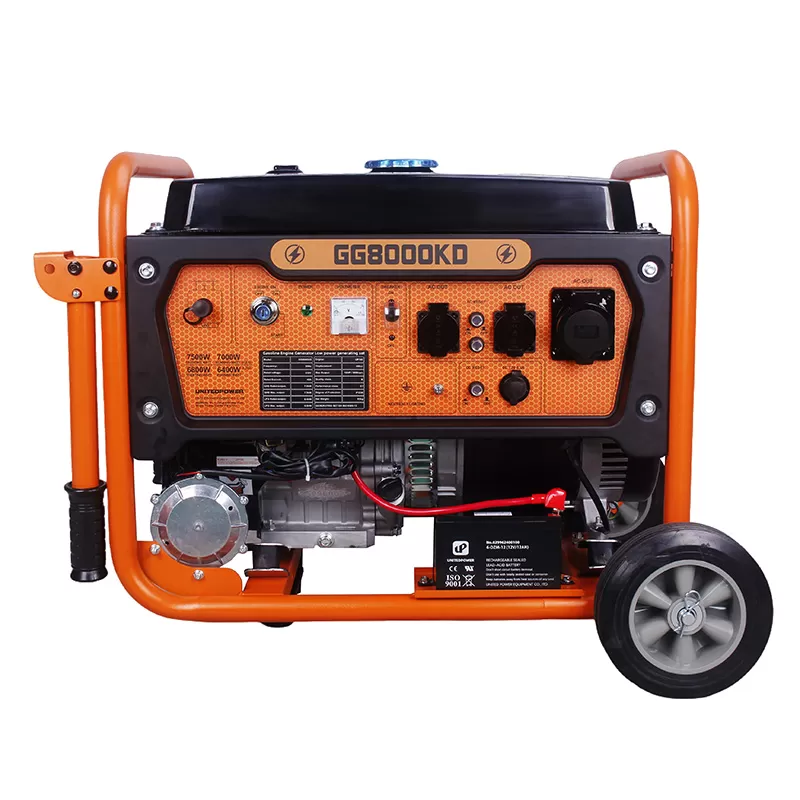
2026 Price Trends Analysis for 7.5kW Generators
Sourcing commercial generators in 2026 involves navigating several market shifts. Raw material costs, engine efficiency demands, and evolving emissions regulations directly shape factory pricing.
Raw materials represent the largest share of manufacturing expense. Copper prices heavily dictate the cost of high-grade alternators. Steel prices impact frame, fuel tank, and silent canopy production.
Copper and Steel Volatility: Rising copper prices directly push up the cost of 100% copper-wound alternators.
Emission Compliance Costs: Engine modifications needed for EPA Phase 3 and Euro V standards add specialized components, increasing base costs.
Inverter Market Growth: Inverter technology is becoming more affordable, though it still commands a premium over traditional open-frame units.
Multi-Fuel Demand: Buyers increasingly request dual-fuel (gasoline and LPG) models, driving up average order values.
Understanding these variables helps procurement teams negotiate better contracts and select configurations that fit their target market's budget.
7.5kW Generator FOB Price Breakdown by Type
The total 7.5 kilowatt generator price varies significantly depending on the engine type, fuel system, and enclosure design. Factory-direct FOB (Free On Board) prices reflect these structural differences.
Below is a realistic FOB price breakdown for bulk orders originating from major manufacturing hubs in 2026:
| Generator Type | Est. FOB Price Range (USD) | Primary Application |
|---|---|---|
| Open-Frame Gasoline | $220 - $380 | Construction sites, basic home backup, budget-focused retail |
| Dual-Fuel (LPG/Gasoline) | $280 - $450 | Residential emergency power, eco-conscious markets |
| Silent Inverter (Gasoline) | $550 - $850 | Sensitive electronics, RVing, urban job sites with noise limits |
| Diesel (Open Frame) | $500 - $750 | Agricultural use, commercial job sites, continuous operation |
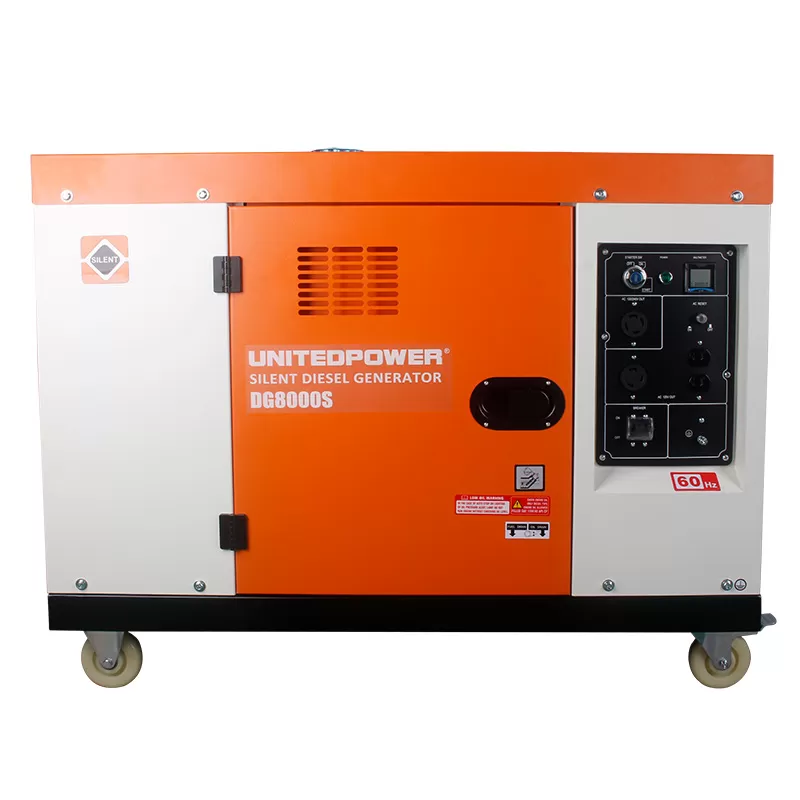
| Silent Diesel Enclosure | $750 - $1,200 | Industrial sites, telecom backup, quiet commercial zones |
Basic open-frame gasoline models offer the lowest entry price for high-volume orders. However, silent inverter generators and diesel units offer higher profit margins due to their specialized engineering and premium market positioning.
5 Key Cost Drivers Behind 7.5kW Generator Pricing
Two generators with identical power ratings can carry vastly different price tags. Understanding what happens inside the factory allows you to evaluate price quotes accurately.
1. Engine Manufacturing and Quality
The engine makes up roughly 50% to 60% of the entire unit's value. Factories that design and build their engines in-house maintain better quality control and tighter cost management than plants relying entirely on outsourced components.
High-displacement single-cylinder or twin-cylinder engines built with cast-iron cylinder sleeves cost more to manufacture. However, they deliver thousands of operating hours without losing compression.
2. Alternator Winding: Copper vs. Copper-Clad Aluminum
The choice of alternator material creates a major price divergence. Full copper windings cost roughly 15% to 25% more than copper-clad aluminum (CCA) alternatives.
Copper handles thermal stress better, maintains steady voltage output, and lasts significantly longer under heavy continuous loads. Procurement managers targeting long-term reliability should always specify 100% copper alternators.
3. Enclosure and Noise Dampening
Standard open-frame models use basic tubular steel cages. Soundproof units require sound-attenuating foam, heavy-gauge steel shells, and engineered airflow channels to dissipate heat while trapping sound.
Adding a soundproof canopy increases the wholesale 7.5kW generator price, but it allows distributors to sell into urban residential markets where strict noise ordinances apply.
4. Control Panels and Advanced Features
Modern commercial buyers demand digital monitoring. Simple analog meters are cheap, but multi-function LED displays that track voltage, frequency, and running hours add modest hardware costs.
Features like Automatic Transfer Switch (ATS) ports, electric push-button start, and wireless remote control add minor costs at the factory level but significantly boost retail marketability.
5. Regulatory Certifications
Exporting to regulated regions requires certified products. Obtaining CE, Euro V, EPA, or CARB compliance involves testing, documentation, and specific component choices like specialized catalytic converters and carbon canisters.
Units built for non-regulated markets skip these additions, lowering the basic FOB cost but limiting sales territory options.
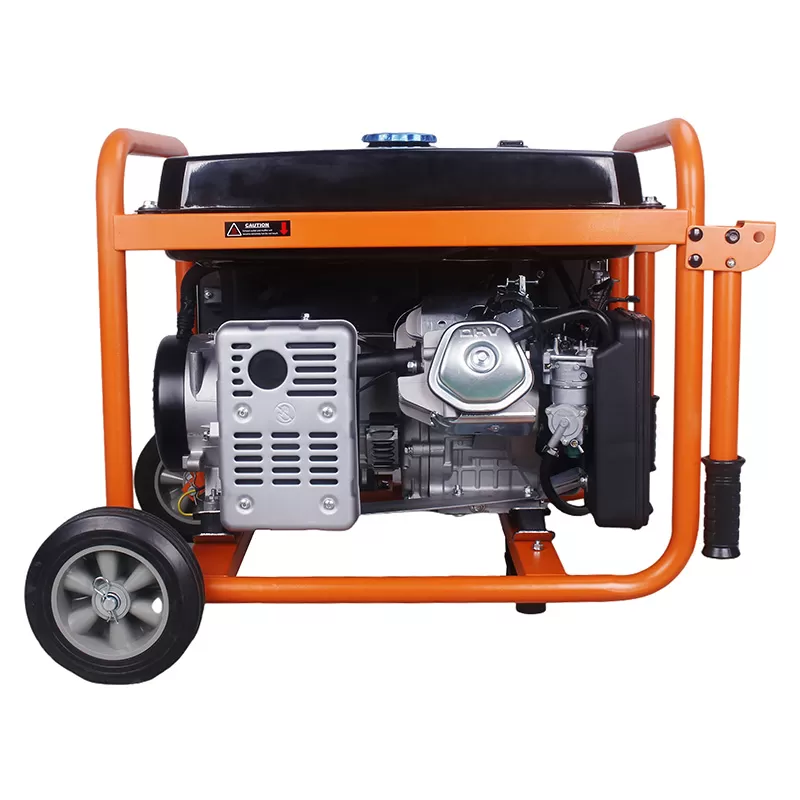
The United Power Advantage for B2B Buyers
Sourcing power equipment requires a reliable manufacturing partner capable of maintaining consistent quality across large container orders. United Power offers a proven track record for global distributors and commercial brands.
23 Years of Manufacturing Experience: Founded in 2003, United Power brings deep industry expertise to the production of engines, generators, and water pumps.
Integrated Supply Chain: By developing and manufacturing both engines and alternators internally, United Power controls product quality at the source while keeping FOB pricing highly competitive.
Ergonomic, Durable Designs: Products feature modern aesthetics, user-friendly control layouts, and rugged frames built for tough field conditions.
Custom OEM/ODM Services: Experienced engineering teams tailor generator configurations, colors, branding, and control panels to fit specific market requirements across North America, Europe, Southeast Asia, and South America.
Working with a fully integrated China 7.5kW generator manufacturer reduces delivery delays and protects your brand reputation in your local market.
B2B Procurement Tips: Optimizing Your Purchasing Strategy
Lowering your overall landed cost requires planning beyond the basic unit price quoted by the factory. Use these practical sourcing rules during your next purchasing cycle:
Match Configurations to Your Local Market
Avoid paying for features your customer base does not need. If your region has no strict emissions standards, buying EPA-certified units adds unnecessary cost. Conversely, if selling into urban markets, paying extra for silent inverter technology is essential for product adoption.
Maximize Container Loading Rates
Shipping costs directly impact your final landed cost. Work with your factory to optimize frame dimensions and pallet layouts.
Standard 7.5kW open-frame generators typically fit efficiently into standard shipping containers. Check how many units fit into a 40HQ container compared to a 20GP container to lower freight charges per unit.
Secure Essential Spare Parts Upfront
Always include a spare parts package with your main container shipment. Include high-wear items such as AVR (Automatic Voltage Regulator) boards, air filters, recoil starters, and carburetors.
Having spare parts ready in your local warehouse reduces warranty turn-around time and builds customer loyalty.
Frequently Asked Questions (FAQ)
Q1: What is the typical wholesale 7.5kW generator price for an
open-frame model in 2026?
A1: Wholesale FOB prices for standard
open-frame gasoline 7.5kW generators generally range from $220 to $380 USD per
unit. The exact price depends on order volume, alternator materials, engine
displacement, and control panel features.
Q2: Why is the silent inverter generator 7.5kW cost so much higher
than open-frame units?
A2: Inverter generators use advanced
electronic inverter modules to produce clean, stable sine-wave power. They also
feature complex sound-dampening enclosures, specialized cooling systems, and
smart-throttle engines, which increase total production costs.
Q3: How much extra does a dual-fuel system add to the base 7.5kW
generator FOB cost?
A3: Adding dual-fuel (LPG and gasoline)
capability typically increases the base unit price by $30 to $70 USD per
generator. This extra cost covers the dual-fuel carburetor, gas regulator, and
safety shut-off valves.
Q4: How many 7.5kW open-frame generators fit into a standard 40HQ
container?
A4: Depending on the frame design and packaging
dimensions, a standard 40HQ container typically holds between 130 and 160 units
of 7.5kW open-frame generators on shipping pallets.
Q5: Can United Power customize 7.5kW generators with our private
brand logo and custom colors?
A5: Yes. United Power provides
complete OEM and ODM services. We offer custom frame colors, tailored control
panels, branded user manuals, and customized packaging options for qualified
bulk orders.
Get Your Customized 2026 Quotation
Balancing cost and quality is the key to running a profitable generator business in 2026. While raw material prices and technology shifts influence the market, selecting an experienced manufacturing partner ensures your orders remain profitable and reliable.
By assessing engine builds, alternator materials, and shipping logistics, procurement teams can secure optimal pricing without compromising long-term product durability.
Are you looking to expand your power equipment line or update your current inventory? Contact the United Power team today to request product catalogs, discuss OEM options, and receive a competitive 2026 factory-direct FOB quote for your target market.
.webp "How Much Does the Best Diesel Generator for Home Cost? (Full 2026 Price Breakdown)")
.webp "Evaluating the 4 kW Generator Price: Wholesale Sourcing & Manufacturing Specs")