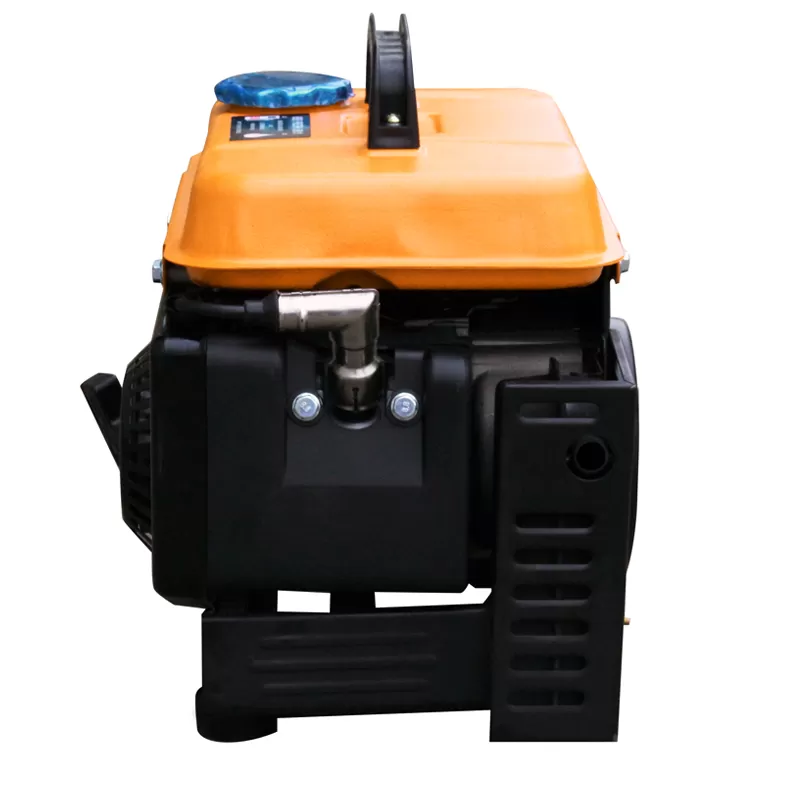
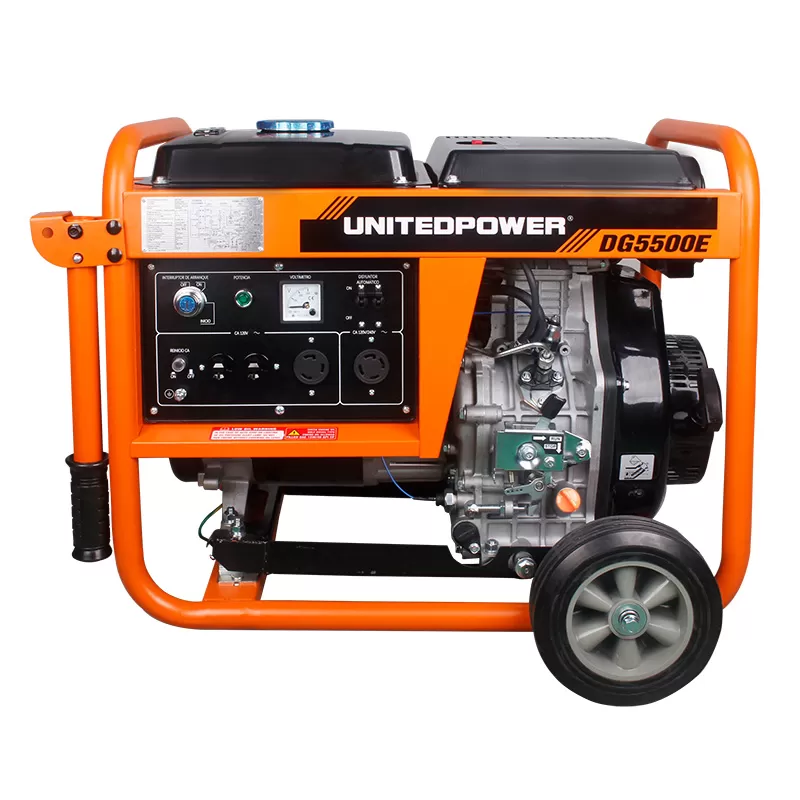
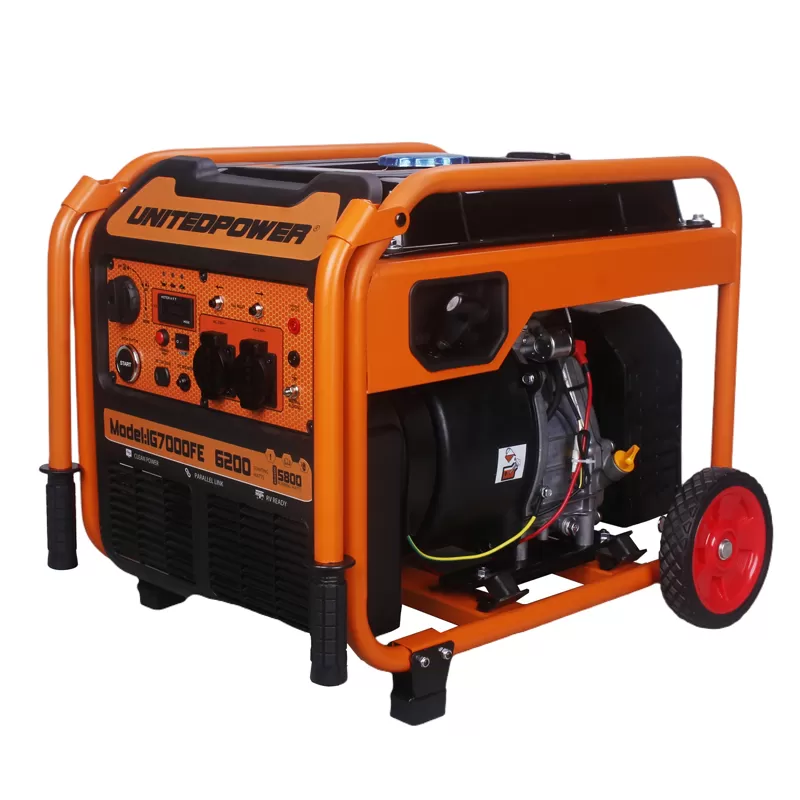
2kVA Generator Diesel Performance: Specifications & Industrial Use Cases
Low-capacity industrial auxiliary power requires equipment that balances transportability, continuous-duty thermal endurance, and low specific fuel consumption. While petrol alternatives dominate the sub-3kVA recreational sector, industrial procurement teams, telecommunication operators, and site managers consistently prioritize compression-ignition machinery. Specifying a 2kva generator diesel unit ensures long-term operational resilience, reduced site downtime, and lower life-cycle operational costs for stationary and mobile installations.
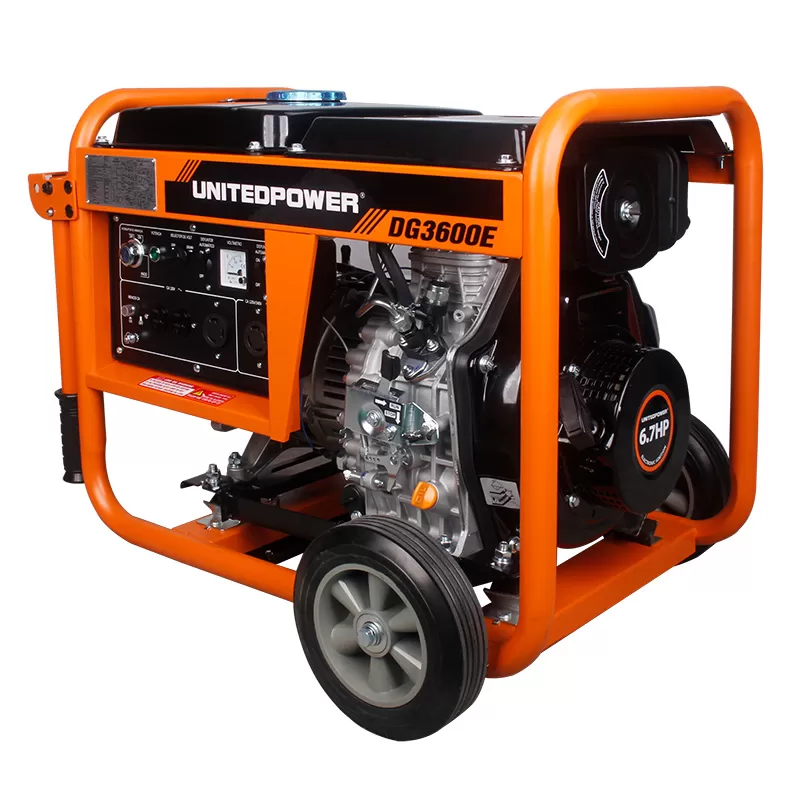
Internal Architecture: Mechanical and Electrical Construction
The foundation of a reliable low-output diesel generator lies in its prime mover. Unlike high-revving consumer petrol engines, a commercial-grade single-cylinder four-stroke diesel engine operating at 3,000 or 3,600 RPM relies on heavy-duty cast-iron cylinder liners, forged steel crankshafts, and direct injection systems. These components withstand high compression ratios—typically ranging between 19:1 and 21:1—generating the thermal efficiency required for extended run times under continuous electrical loads.
Air-cooled single-cylinder engines in this capacity class displace between 211 cc and 296 cc. The combustion chamber design promotes complete atomization of diesel fuel through mechanical high-pressure fuel pumps and multi-hole injectors. This direct injection configuration maximizes brake thermal efficiency, translating directly to low fuel consumption per kilowatt-hour produced.
The electrical conversion side features a single-bearing or two-bearing synchronous alternator. In high-standard manufacturing facilities, such as those operated by United Power, alternators are wound with pure electrolytic copper rather than copper-clad aluminum. Copper windings provide lower internal resistance, superior heat dissipation, and Class H insulation ratings capable of withstanding operating temperatures up to 180 degrees Celsius.
Automatic Voltage Regulation (AVR) systems are integrated into the stator circuit to maintain voltage stability within a tight margin of plus or minus 1.5 percent. This precise excitation control dampens voltage dips during inductive load steps and manages Total Harmonic Distortion (THD), protecting sensitive downstream electronics such as programmable logic controllers (PLCs), telemetry nodes, and battery charging rectifiers.
Comparative Energy Metrics: Diesel versus Petrol in 2kVA Configurations
Procurement decisions for fleet equipment depend heavily on operational economics rather than initial capital expense alone. Analyzing the mechanical differences between fuels reveals why diesel remains the standard for commercial deployments.
Specific Fuel Consumption (SFC): A standard 2kVA compression-ignition unit consumes approximately 0.45 to 0.6 liters of fuel per hour at 75 percent continuous load. Equivalent petrol generators consume roughly 0.9 to 1.3 liters per hour under identical load steps, representing a 40 to 50 percent increase in volumetric fuel demand.
Torque Characteristics: Diesel engines produce peak torque at lower RPM bands. When an inductive load—such as an electric motor or submersible pump—initiates, the transient overload capability of a diesel engine prevents deep frequency drops, recovering engine speed faster than spark-ignition equivalents.
Engine Service Life: Industrial diesel engines feature an operational design life between 3,000 and 5,000 operating hours prior to major overhauls, provided preventive maintenance schedules are observed. Standard small petrol engines often require significant rebuilds or replacement after 1,000 to 1,500 hours.
Thermal Management: Higher thermal efficiency means less energy is lost to ambient heat rejection. Reinforced aluminum alloy cooling fins combined with high-flow flywheel fans ensure sustained operation without heat-induced power derating in ambient temperatures exceeding 40 degrees Celsius.
Primary Commercial and Field Applications
The compact footprint and low operational maintenance of a 2kva generator diesel make it suitable for niche applications where high-output multi-cylinder sets are impractical due to size, weight, or fuel delivery logistics.
Telecommunications and Remote Telemetry
Off-grid microwave repeaters, cellular micro-stations, and SCADA monitoring sites along pipeline routes demand reliable continuous power. In hybrid power systems, a low-capacity diesel unit operates on an automated schedule, charging lithium or lead-carbon battery banks when renewable photovoltaic input falls below operational thresholds. The steady DC-rectified power output prevents battery sulfation and network dropouts.
Mobile Service Fleets and Field Diagnostics
Utility service trucks and field diagnostic vehicles require onboard AC power to operate pipe fusion machinery, calibration tools, high-draw lighting, and light fabrication tools. Because utility fleet operations already utilize diesel as primary fleet fuel, standardizing auxiliary generators on diesel streamlines on-site fuel management and complies with safety mandates on construction and mining sites where petrol storage is prohibited.
Perimeter Security and Emergency Infrastructure
Distributed infrastructure assets—such as border surveillance outposts, environmental monitoring stations, and automated gate systems—rely on these units for dependable backup power. Fitted with an Automatic Transfer Switch (ATS) interface, the generator initiates within seconds of mains failure, ensuring uninterrupted surveillance and barrier operation.
Acoustic Attenuation and Enclosure Engineering
Engine noise is a primary operational consideration. Open-frame models typically produce sound pressure levels around 82 to 85 dBA measured at 7 meters, which is acceptable on construction sites but problematic in urban, institutional, or perimeter-monitored environments. Silent canopy variants address this through acoustic engineering.
Canopy-enclosed sets utilize high-density sound-absorbing sponge layers, multi-chamber intake and exhaust mufflers, and dual-vibration dampening mounts between the engine-alternator assembly and base chassis. These enclosures reduce the acoustic signature down to 68 to 72 dBA at 7 meters without compromising airflow or inducing internal heat build-up. Airflow ducts are designed with labyrinth passages that break sound waves while maintaining static air pressure for engine cooling.
Fleet Integration Criteria and Purchasing Specifications
When engineering and procurement divisions evaluate a 2kva generator diesel fleet for regional distribution or direct project integration, several technical parameters must be verified against the project scope of work.
Starting Mechanism: While manual recoil start provides emergency redundancy, professional installations require a 12-volt electric starter motor coupled with an onboard charging alternator and external dry-contact connections for remote two-wire start-stop automation.
Control Panel Features: Modern units must incorporate digital multi-meters displaying AC voltage, running frequency (Hz), total operating hours, and active amperage draw. Integrated low oil pressure shut-off solenoids prevent catastrophic engine seizure if lubrication levels fall below safety tolerances.
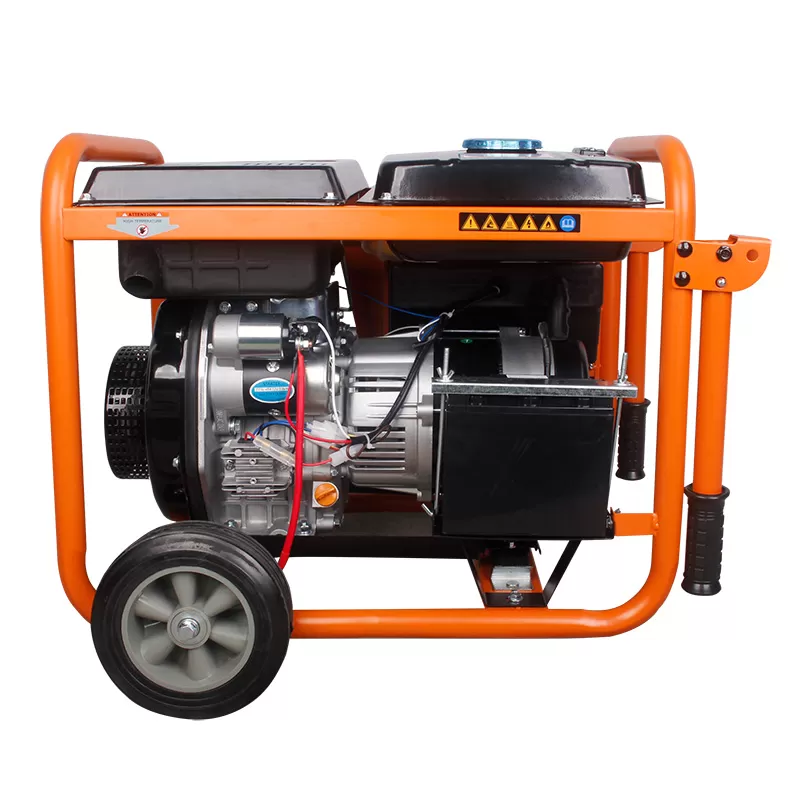
Chassis and Portability: Heavy-gauge tubular steel roll cages protect core components during transport on rough terrain. For mobile deployment, integrated wheel kits with non-pneumatic, puncture-proof rubber tires and fold-down transport handles are standard specifications.
Environmental and Emission Compliance: Ensure the engine design meets target market regulatory requirements, including EPA Tier 4 Final, EU Stage V, or corresponding regional emission standards for non-road mobile machinery.
Industrial machinery builders like United Power integrate these manufacturing options directly into production lines, allowing OEM buyers and distributors to standardize chassis layouts, socket outlets (including industrial IP44/IP67 CEE couplers), and fuel tank capacities based on territory demands.
Preventive Maintenance and Operational Longevity
Achieving the rated service life of a single-cylinder diesel plant requires disciplined preventive maintenance protocols. Diesel fuel systems operate under tight tolerances, making filtration a priority.
Lubrication Management
Due to the soot loading inherent in compression-ignition systems, engine oil must be replaced at regular intervals, typically every 100 operating hours following an initial 20-hour break-in period. Utilizing high-detergent API CI-4 or CJ-4 15W-40 heavy-duty engine oil maintains protective hydrodynamic films on the camshaft lobes, main bearings, and cylinder walls.
Fuel Filtration and Water Separation
Water contamination causes rapid wear of injector nozzles and high-pressure fuel pump plungers. A dual-stage filtration system—combining a primary tank-strainer with a 10-micron fuel filter and water bowl—prevents abrasive particulate ingress and pump cavitation. Fuel lines should be inspected periodically for micro-cracking and air leaks, which cause hard starting and rough idling.
Air Induction and Exhaust Cleaning
Operating in arid or high-dust industrial zones demands regular servicing of the dual-element air filter. Blocked air intake creates incomplete combustion, leading to excessive carbon build-up in the exhaust port, sticky piston rings, and reduced power output. Periodic inspection of the valve lash clearances (intake and exhaust) ensures proper gas exchange and maintains rated engine compression.
Frequently Asked Questions
Can a 2kVA diesel unit start an electric motor with high inrush current?
Yes, provided the inductive motor's starting current (locked rotor amperage) does not exceed the surge rating of the generator. Most 2kVA alternators accommodate a temporary surge overhead of 10 to 15 percent for two to three seconds. However, for motors with high inertia loads, sizing calculations must account for starting kVA rather than running kW.
What is the typical runtime of a 2kva generator diesel on a standard fuel tank?
Standard models equipped with an extended-run 12-to-15-liter fuel tank can operate continuously for 20 to 28 hours at half-load without refueling. Open-frame models with smaller 3.5-liter engine-mounted tanks typically run for 6 to 8 hours under similar load conditions.
How does cold weather affect the starting of low-capacity diesel generators?
Compression ignition relies on heat generated within the combustion chamber during the compression stroke. In ambient temperatures below zero degrees Celsius, direct starting becomes harder due to cold cylinder walls and higher oil viscosity. Units configured with intake glow plugs, decompression levers, and synthetic 5W-40 engine oil ensure dependable ignition in cold environments.
Is dry stacking a concern for a small 2kVA diesel generator?
Dry stacking occurs when a diesel engine runs below 30 percent of its rated capacity for prolonged periods, causing unburnt fuel and carbon to accumulate in the exhaust manifold. To avoid this, small diesel generators should be loaded to at least 60 to 80 percent of their rated capacity during normal operation.
What is the difference between kVA and kW ratings for this generator size?
The rating in kVA represents apparent power, while kW represents actual real power. At a standard commercial power factor of 0.8, a 2kVA diesel generator delivers 1.6kW of continuous real power. For purely resistive loads (such as heaters or incandescent lights) with a power factor of 1.0, the unit can support loads approaching the nominal 2kW threshold.
Procurement and Custom OEM Solutions
Selecting the correct auxiliary power plant requires careful evaluation of duty cycles, environmental parameters, and electrical profiles. For commercial distributors, equipment rental fleets, and project contractors seeking dependable performance, choosing high-precision manufacturing partners is paramount.
United Power delivers scalable manufacturing capabilities, strict quality assurance protocols, and custom OEM configurations for low-capacity power equipment. Whether you require silent-enclosed units, specific voltage and frequency outputs (230V/115V, 50Hz/60Hz), or custom branded fleet units, our engineering division provides comprehensive support from prototyping to bulk production.
Submit your project requirements, technical specifications, and container-volume inquiries through our commercial sales portal to receive detailed performance curves, compliance documentation, and direct factory pricing.