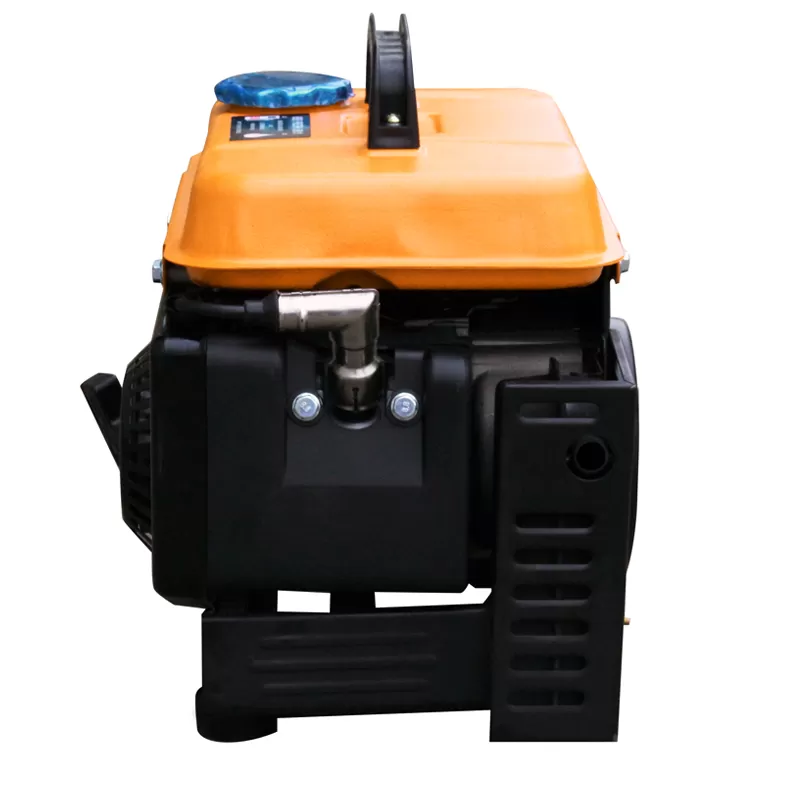
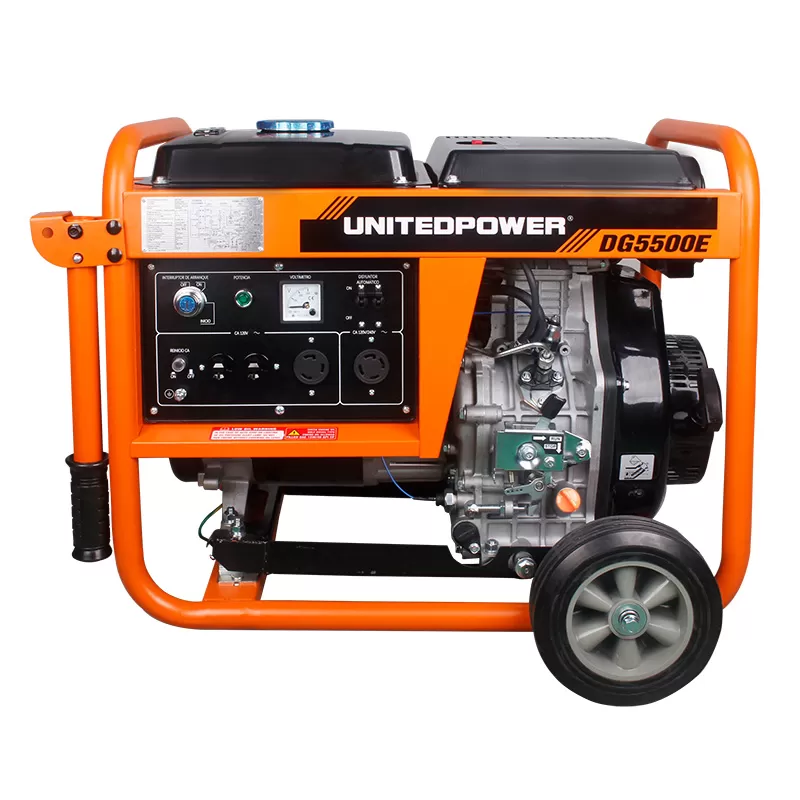
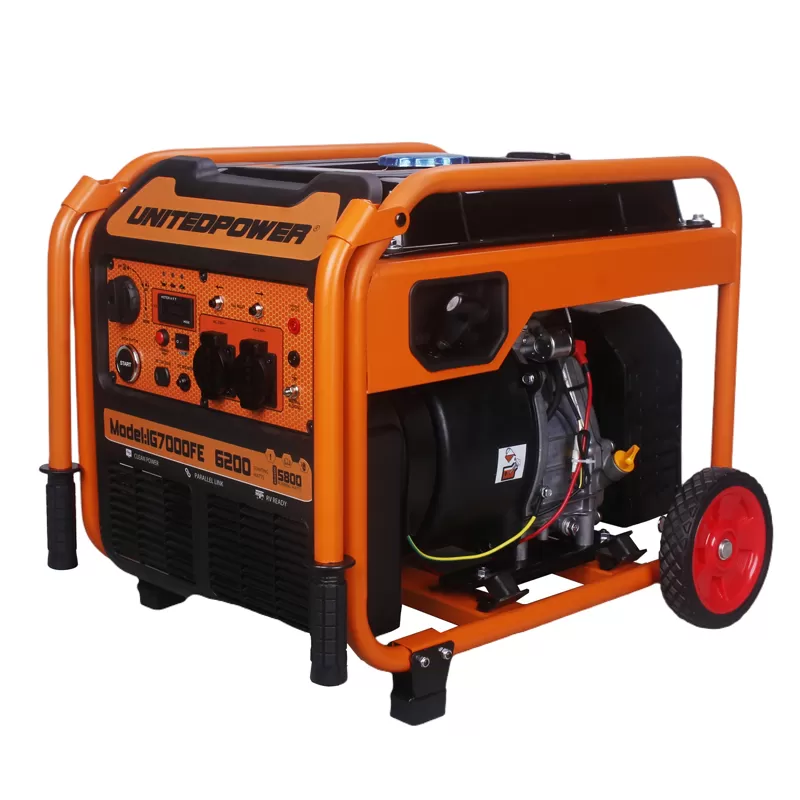
Industrial Specification of the 900 Watts Generator: Performance Metrics, Alternator Topology, and Fleet Logistics
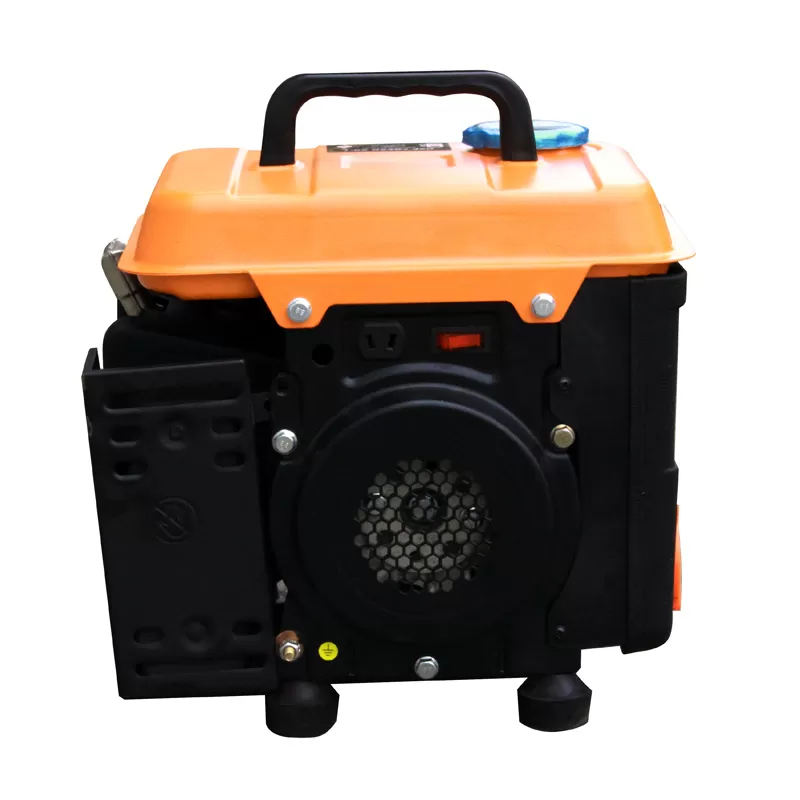
Micro-tier mechanical power generation remains an indispensable segment within commercial, telecommunications, and field-service sectors. Specifying a 900 watts generator within commercial fleets requires an engineering perspective that balances mechanical displacement, electrical conversion efficiency, total harmonic distortion, and long-term operating economics. While megawatt-scale equipment captures significant attention in utility generation, sub-kilowatt platforms deliver decentralized, highly portable electrical energy directly to remote instrumentation, low-draw emergency repair gear, and off-grid monitoring hardware. B2B procurement teams, system integrators, and equipment distributors evaluate these systems not merely on cost, but on build quality, engine duty cycle, output stability, and factory-level production consistency.
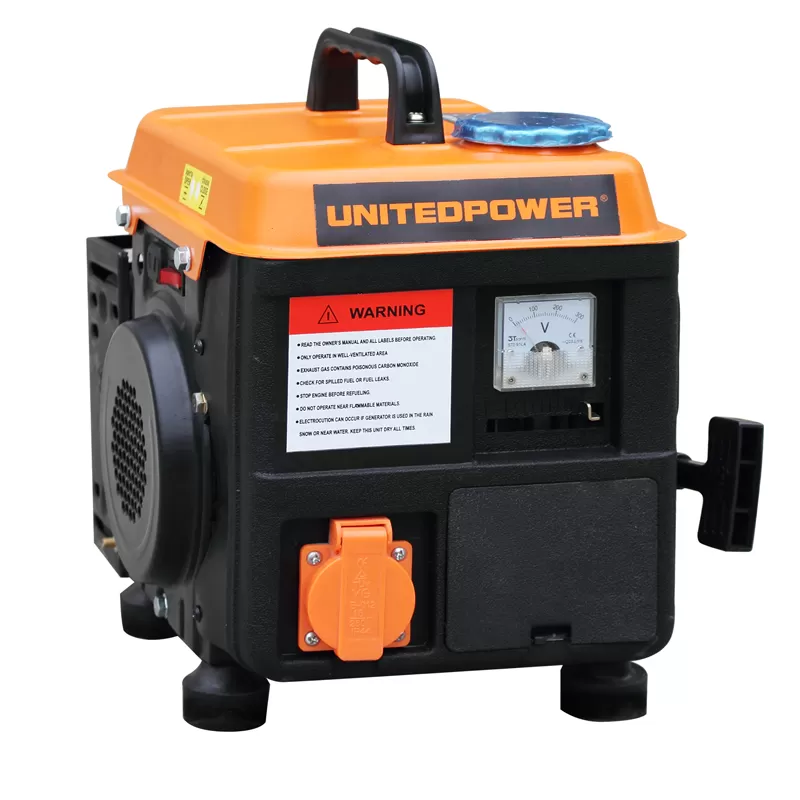
Electromechanical Architecture and Powertrain Specifications
The foundation of any portable power platform lies in the coupling between its internal combustion engine and the electromagnetic alternator. Within this specific power class, manufacturers utilize two primary engine formats, each introducing distinctive operating profiles and lifecycle characteristics.
Combustion Configurations: Two-Stroke vs. Four-Stroke Overhead Valve (OHV)
Sub-kilowatt power plants typically implement either a 63cc-to-72cc two-stroke single-cylinder engine or an 80cc-to-98cc four-stroke Overhead Valve (OHV) design. The selection between these platforms determines total unit weight, mechanical complexity, and continuous duty ratings.
- Two-Stroke Loop-Scavenged Engines: These power units deliver unmatched power-to-weight ratios, often keeping complete generator dry weight under 19 kilograms. Lubrication occurs through premixed fuel and two-stroke oil, eliminating the need for an oil sump, dipstick, or crankcase pressure management. This design allows operation on uneven or tilted terrain without oil starvation. The trade-off manifests in higher particulate emissions, increased exhaust noise frequencies, and the logistical burden of requiring pre-mixed fuel supplies on work sites.
- Four-Stroke Single-Cylinder OHV Engines: Modern industrial fleets increasingly gravitate toward small-displacement four-stroke OHV architectures. Overhead valve geometry optimizes combustion chamber thermal transfer, lowers brake specific fuel consumption (BSFC), and supports extended continuous run times. Separate lubrication reservoirs ensure steady film strength across connecting rod journals and cylinder liners, reducing combustion deposits and extending mean time between overhauls (MTBO).
Alternator Topology and Voltage Regulation Mechanics
The electrical generator assembly translates the mechanical torque from the engine crankshaft into usable single-phase alternating current. In small-frame generators, alternator engineering focuses on core heat management, coil conductivity, and output regulation.
Electromagnetic conversion relies on either a rotating armature with carbon brushes and slip rings or a brushless rotor equipped with permanent magnets and auxiliary excitation capacitors. Brushless capacitor-regulated alternators offer mechanical simplicity and zero maintenance on wearable contact points. They inherently resist conductive dust and moisture intrusion common to field applications. However, their transient response to sudden electrical step-loads exhibits higher voltage sags compared to systems managed by an Automatic Voltage Regulator (AVR).
Stator and rotor material composition dictates long-term performance under thermal loading. Premium tier configurations utilize 100% electrolytic copper wire with Class H or Class F insulation ratings, rated to withstand internal temperatures up to 180 degrees Celsius. Economy builds that substitute copper-clad aluminum (CCA) suffer from higher electrical resistance, resulting in elevated core temperatures, higher internal impedance, and shortened alternator lifespan under maximum continuous load.
Load Dynamics and Electrical Capacity Management
Operating a 900 watts generator requires a clear mathematical understanding of the distinction between apparent power, active power, and reactive inductive loads. Equipment buyers must align generator capabilities with the exact electrical signatures of field machinery.
Surge Capacity vs. Continuous Running Watts
Power ratings in this category require careful technical interpretation. A unit classified under this threshold typically delivers approximately 700 to 750 continuous running watts, reserving 900 watts as a short-duration peak surge ceiling (often limited to 3 to 10 seconds). Surge capacity provides the instantaneous current necessary to overcome the locked-rotor amperage (LRA) of electric motors, solenoids, and inductive transformers.
- Resistive Loads: Incandescent scene lighting, resistive heating elements, and standard soldering irons exhibit a power factor (cos φ) of 1.0. A 750-watt continuous rating translates directly into 750 watts of active work without reactive current loss.
- Inductive Loads: Submersible pumps, field fans, and small power tools incorporate electric windings that draw reactive magnetizing current. Their power factor typically ranges between 0.75 and 0.85, accompanied by initial starting draws that can reach 200% to 300% of their nameplate operational current. Connecting a 400-watt continuous motor can easily overwhelm the surge headroom if inrush demands are miscalculated.
Waveform Integrity and Total Harmonic Distortion (THD)
Conventional synchronous mechanical generators in the sub-kilowatt segment produce an alternating current waveform that naturally contains harmonic anomalies. In basic capacitor-excited setups, Total Harmonic Distortion (THD) can range between 12% and 20% under heavy or non-linear loads. This harmonic content produces core heating in connected inductive gear and introduces voltage instability that disrupts microprocessor-based test equipment.
To power digital instrumentation, surveying gear, or modern lithium battery charging stations, engineering teams select inverter-integrated platforms. Inverter electronics convert generated alternating current into high-voltage direct current before an internal H-bridge inverter module synthesizes a pure sine wave with less than 3% THD. Pure waveform output preserves sensitive digital circuitry, eliminates micro-controller lockups, and maintains clean power delivery across the entire throttle range.
Industrial, Commercial, and Field Applications
The operational value of sub-kilowatt power generation is defined by high mobility, low acoustic disturbance, and minimal fuel consumption during targeted tasks. Several core industries deploy these units as standard equipment within their fleet inventories.
Field Telecommunications and Utility Diagnostics
Telecommunications technicians working on optical fiber splice closures, cellular base station repeaters, and underground conduit infrastructure require localized power without the footprint of heavy vehicular generators. The compact unit easily enters tight utility vaults, pedestrian zones, and elevated access platforms, running precision fusion splicers, optical time-domain reflectometers (OTDR), and task lighting for hours on less than two liters of fuel.
Municipal Pipeline Inspection and Environmental Monitoring
Crews inspecting non-pressurized drainage systems and municipal sewage pipes use push-rod camera systems and localized illumination setups. Operating a 900 watts generator provides sufficient capacity to power high-intensity LED crawler arrays, video monitors, and digital storage units continuously, operating quietly enough to adhere to urban daylight noise ordinances without requiring heavy transport vehicles.
Auxiliary Fleet Maintenance and Remote Battery Support
Service trucks supporting heavy plant equipment, agricultural machinery, and mining fleets carry portable generator platforms to supply secondary utility power. The unit powers mobile battery charging systems to revive dead vehicle electronics, operates compact 1/2-inch impact wrenches, and supplies low-amperage heat guns without idling large 6-cylinder truck engines, significantly reducing fleet fuel burn and unnecessary engine hours.
Quality Control, Factory Acceptance Testing, and Global Standards
Original Equipment Manufacturers (OEM) and wholesale buyers implement rigorous evaluation frameworks to verify engine structural endurance and electrical delivery before approving production line units for commercial distribution.
Automated Factory Acceptance Testing Protocols
High-volume manufacturing plants utilize computer-controlled dynamometer benches to subject each power unit to step-load cycling. These testing programs simulate severe field conditions through distinct phases:
- Zero-Load Idling and Governor Stability: Evaluating governor response at no-load condition ensures frequency drift remains below 1.5 Hz from the baseline 50Hz or 60Hz nominal setting.
- Full Rated Continuous Load: Applying 100% active load for continuous multi-hour runs tests cylinder head heat dissipation, crankcase oil thermal stability, and stator winding insulation endurance.
- Overload Surge Trip Testing: Introducing 110% to 125% step loads confirms the operational integrity of thermal circuit breakers, verifying that interruption circuits trigger prior to winding insulation breakdown.
The manufacturing processes observed at United Power demonstrate how systematic production auditing, structural frame powder-coating checks, and automated fuel flow calibration create uniform operational reliability across large volume production runs.
International Regulatory and Environmental Compliance
Cross-border distribution of small-displacement combustion units requires adherence to stringent environmental and electrical directives:
- Emissions Baselines: Units destined for North America must pass EPA Phase III and CARB Tier 4 evaporative and exhaust standards, utilizing carbon canisters and low-permeation fuel lines. Shipments for European Union territories demand compliance with Euro Stage V emission regulations (EU 2016/1628).
- Acoustic Limits: In accordance with EU Directive 2000/14/EC, manufacturers must quantify sound power levels (LwA) using hemispherical microphone arrays, requiring custom multi-chamber exhaust mufflers and intake silencers.
- Electrical Safety Directives: Compliance with ISO 8528-8 establishes specifications for low-power generating sets, alongside CE marking verification for Low Voltage Directive (LVD) and Electromagnetic Compatibility (EMC).
B2B Sourcing Strategies and Supply Chain Economics
For distributors, import merchants, and brand owners, purchasing a baseline 900 watts generator for regional markets involves logistical calculations that extend beyond unit FOB pricing.
| Procurement Factor | Conventional Alternator Unit | Digital Inverter Unit |
|---|---|---|
| Engine Architecture | 63cc 2-Stroke / 80cc 4-Stroke OHV | 50cc - 60cc 4-Stroke OHV |
| Dry Weight Range | 18 kg - 22 kg | 12 kg - 15 kg |
| Total Harmonic Distortion (THD) | 12% - 18% | < 3% Pure Sine Wave |
| Fuel Efficiency at 50% Load | Approx. 0.60 L/hr | Approx. 0.35 L/hr (Eco-Mode enabled) |
| FOB Unit Cost Profile | Baseline Economic Tier | Premium Tier (+60% to +100%) |
| Target End-User Market | Construction, General Utility, Emergency | Telecom, Electronics, Field Diagnostics |
Packaging Optimization and Container Utilization
The physical footprint of sub-kilowatt generators enables high-density maritime container stuffing plans. Standard 40-foot High Cube (40HQ) shipping containers can accommodate upwards of 1,000 to 1,200 compact units when packaged in reinforced double-wall corrugated cartons with precision-molded expanded polyethylene (EPE) inserts. Importers must confirm drop-test compliance (ISTA 1A standard) to prevent freight-handling structural shifts, cracked fuel tank mounts, or bent recoil starter assemblies during intermodal transport.
Working alongside direct manufacturers such as United Power enables distributors to configure customized packaging dimensions, palletized freight arrangements, and private-label silk-screen badging directly on the assembly line, avoiding costly post-import handling.
Aftermarket Spare Parts Provisioning
Sustainable distribution depends on long-term field maintainability. Commercial supply contracts must mandate an initial critical spare parts ratio (typically 3% to 5% of order value) packed within the primary shipment. Critical maintenance components include:
- Complete float carburetor assemblies calibrated for local sea-level or high-altitude applications.
- Recoil starter pull-cord springs and pawl mechanisms.
- Solid-state CDI ignition coils and spark plugs (Torch or NGK equivalents).
- Brushless capacitor modules and replacement 12V DC auxiliary
rectifiers.
Predictive Maintenance and Field Service Protocols
Sustaining operational reliability across commercial fleets necessitates regular maintenance schedules tailored to high-rpm small-displacement engines.
Engine oil in four-stroke engines requires replacement after the initial 20-hour break-in cycle, followed by 100-hour recurring intervals. Using synthetic 10W-30 or 5W-30 oils with high shear stability protects the overhead valve train under continuous operating temperatures. In two-stroke models, maintaining precise 50:1 fuel-to-oil ratios using fully synthetic TC-W3 certified two-stroke oil prevents carbon accumulation across the exhaust port, piston crown, and spark arrestor screen.
Fuel storage protocols determine cold-start reliability. Small-displacement float-bowl carburetors contain micro-jets that are susceptible to gumming and varnish caused by ethanol-blended gasoline. Fleets should install fuel shutoff valves that allow technicians to run the carburetor completely dry before placing units in seasonal storage. Installing an inline 40-micron serviceable fuel filter prevents particulate blockages that lead to engine surging, lean running conditions, and thermal elevation.
Frequently Asked Questions (FAQ)
What is the true usable capacity when operating a 900 watts generator in industrial settings?
The true continuous operational capacity of a standard 900 watts generator typically falls between 700 and 750 watts. The 900-watt figure represents the short-duration peak surge rating engineered to supply the inductive inrush current required to start small motors or transformers. Sustained operation above 750 watts triggers thermal breakers or causes engine RPM droop, which degrades output voltage and frequency.
Can this size of generator operate inductive power tools?
Yes, provided the continuous running power and starting surge power of the tool fall within the generator's mechanical thresholds. Small tools such as rotary tools, handheld soldering irons, compact drills, and low-draw exhaust fans operate efficiently. Large rotary hammer drills, heavy compressors, or circular saws draw starting currents well above 1,500 watts and are incompatible with this class of machinery.
Why does engine RPM hunting occur under light or varying loads?
Engine hunting—characterized by rhythmic fluctuations in engine speed and output frequency—usually points to a dirty carburetor pilot jet, improper governor spring tension, or an air leak along the intake manifold gasket. When the pilot circuit is restricted, the engine runs lean, causing the mechanical governor to overcompensate by swinging the throttle open and closed in a continuous hunting cycle.
How does high-altitude operation affect sub-kilowatt engine output?
Naturally aspirated small-displacement combustion engines lose approximately 3.5% of their rated output power for every 1,000 feet (305 meters) above sea level due to decreasing atmospheric density. Operating at an elevation of 5,000 feet reduces total engine output by roughly 17.5%. High-altitude jet kits must be installed in the carburetor to restore the correct air-fuel mixture, prevent unburned fuel deposits, and stabilize electrical frequency.
Is Total Harmonic Distortion (THD) critical when evaluating the 900 watts generator for sensitive monitoring hardware?
Total Harmonic Distortion is critical for digital monitoring devices, laptops, telecommunications sensors, and electronic battery chargers. Basic mechanical generators produce THD levels between 10% and 20%, which can generate electrical noise, cause logic circuit errors, or overheat charging components. Applications requiring clean, stable power demand an inverter-based system that maintains THD below 3%.
Commercial Inquiries and Fleet Sourcing
Selecting the optimal power generation equipment requires balancing technical specifications, operational environments, and international regulatory demands. Commercial purchasers, regional wholesalers, and industrial fleet operators specifying a commercial-grade 900 watts generator across global territories can access complete product line configurations, specialized OEM/ODM manufacturing options, and volume commercial quotations by submitting detailed technical and volume specifications directly to the engineering and commercial sales division at United Power.