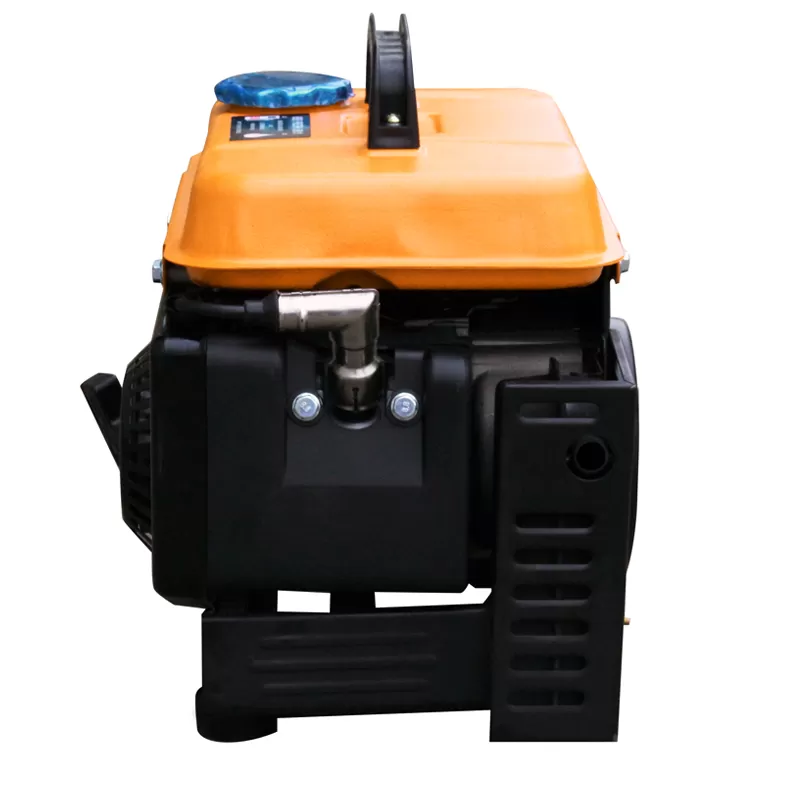
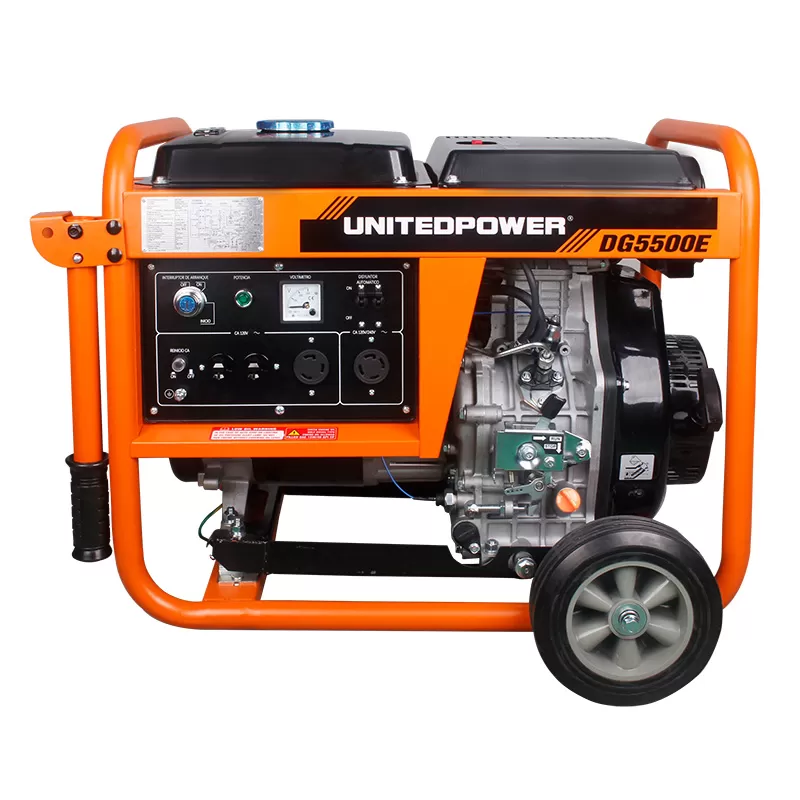
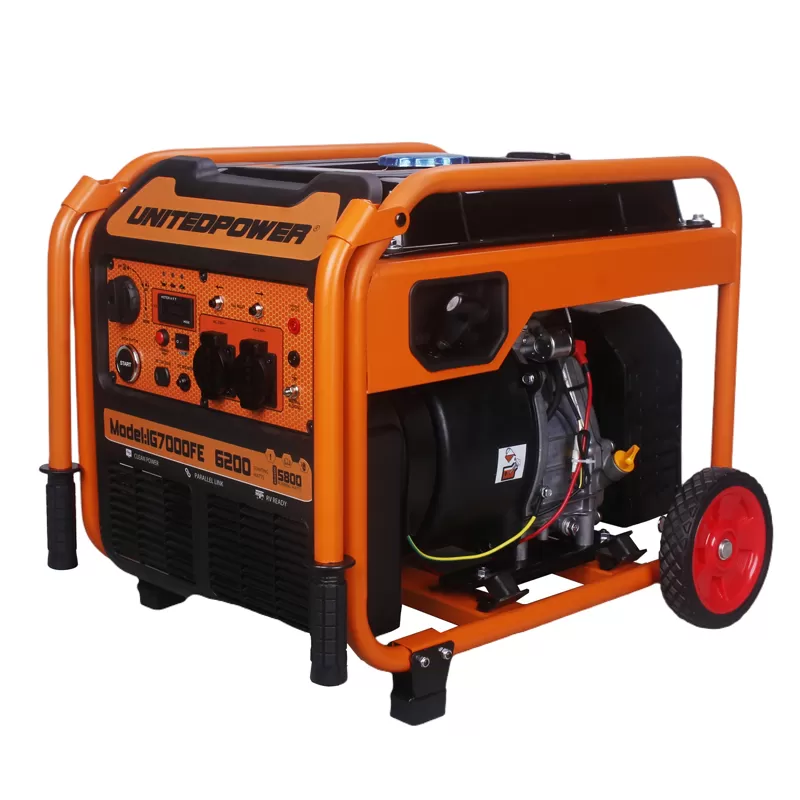
Diesel vs. Petrol 3 Phase Generator 5kVA: Which One Wins in 2026?
Energy costs and emission compliance regulations have shifted dramatically entering 2026. Industrial workshops, agricultural outfits, and commercial contractors face tighter operating margins and stricter Euro V and EPA emission mandates. Securing an efficient, compliant power supply is no longer optional—it directly affects daily operational viability.
In the small-to-medium power equipment category, the 3 phase generator 5kva remains a vital workhorse. It bridges the gap between light portable domestic backup and large industrial towable units. Delivering dual-voltage output (typically 400V 3-phase and 230V single-phase), it runs commercial equipment without requiring a bulky, expensive trailer plant.
Buyers often face a critical fork in the road: should you choose diesel or petrol? At United Power, with over two decades of power engineering experience, we see buyers weigh upfront purchase price against total cost of ownership (TCO). Let us look into the engineering and real-world economics to determine which machine fits your business in 2026.
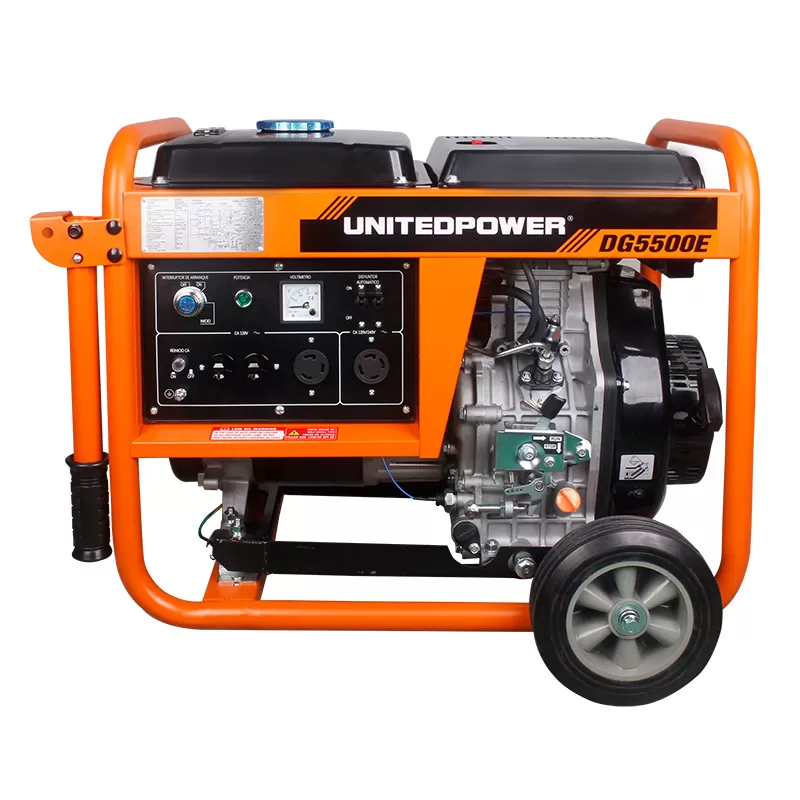
Understanding the 5kVA 3-Phase Power Dynamics: What You Need to Know
Before comparing fuel types, you must understand how a 5kVA three-phase electrical system delivers power. Many first-time buyers make costly mistakes by misjudging phase distribution and load limits.
Why 3-Phase at 5kVA?
Single-phase generators deliver power across a single live wire and a neutral line, ideal for standard 230V lighting, hand drills, and basic electronics. A 3-phase system uses three separate live conductors plus a neutral line. It delivers a constant, smooth 400V wave that industrial electric motors require.
A crucial engineering rule applies to every 3 phase generator 5kva: total power divides across three separate windings. That means a 5kVA unit yields approximately 1.67kVA per phase. If you plug a heavy single-phase 3kW compressor into one socket, you risk overloading that specific phase and tripping the breaker—or burning the alternator stator. Phase balancing is critical for smooth operation and long equipment life.
Typical Applications in 2026
Modern businesses rely on 5kVA 3-phase output for specific commercial equipment, including:
Small 400V industrial water pumps and agricultural irrigation systems.
Compact CNC milling equipment, workshop lathes, and hydraulic vehicle lifts.
Commercial refrigeration compressors and dairy milk coolers.
Field service vans running tire balancers and plasma cutters.
Automated backup power for small commercial telecom towers and retail servers.
Head-to-Head Comparison: Diesel vs. Petrol 3 Phase Generator 5kVA
Choosing between a 5kva 3 phase diesel generator and a 5kva petrol generator 400v requires balancing upfront capital expenditure against long-term maintenance and fuel bills.
| Evaluation Metrics | 5kVA Diesel 3-Phase Generator | 5kVA Petrol 3-Phase Generator |
|---|---|---|
| Upfront Capital Cost | Higher (heavier engine block, injection pump) | Lower (budget-friendly initial acquisition) |
| Fuel Efficiency | High (burns 30% to 40% less fuel under load) | Moderate (higher burn rate per kWh produced) |
| Engine Lifespan | 5,000 to 8,000+ operating hours | 1,500 to 3,000 operating hours |
| Cold-Weather Starting & Noise | Requires glow plugs in freezing conditions; louder open frame (requires silent canopy) | Quick pull or electric start in cold weather; quieter standard running tone |
| Maintenance Requirements | Long service intervals; no spark plugs or carburetors | Frequent oil changes, spark plug checks, and carburetor cleanings |
Fuel Efficiency & Long-Term Operating Costs (TCO)
Fuel costs remain the primary driver of total operating expenses over a generator's working life. Compression-ignition diesel engines extract far more thermal energy per liter of fuel than spark-ignition petrol engines.
Consider a standard operating test: running a 3 phase generator 5kva at 75% rated load for 500 hours over a commercial season.
Diesel Unit: Average consumption is roughly 1.1 liters per hour. Total fuel consumed = 550 liters.
Petrol Unit: Average consumption is roughly 1.8 liters per hour. Total fuel consumed = 900 liters.
With 2026 commercial fuel pricing, that 350-liter difference quickly closes the initial retail price gap. If you run your unit more than 400 hours per year, the diesel option generally pays for itself within the first 18 months of regular service.
Durability & Engine Power Range
Diesel engines run at high compression ratios, requiring heavy cast-iron blocks, reinforced crankshafts, and robust forged connecting rods. This heavy-duty construction allows them to absorb tough, inductive motor-starting surges without sudden RPM drop-off.
At United Power, our precision-machined 3-15HP engine matrix powers our generator line. Our petrol engines utilize proven Overhead Valve (OHV) combustion chambers that deliver responsive throttle control and quick load recovery. However, for continuous, day-in-day-out industrial torque, diesel internal components show significantly less mechanical wear over thousands of operational hours.
Portability, Noise Levels, and Emission Standards
If your work requires a portable 3 phase generator for small business projects, unit weight matters. A bare-frame 5kVA petrol generator often weighs between 75kg and 85kg. Two operators can easily lift it into a service truck or utility bed.
In contrast, a 5kVA diesel generator with a heavy-duty canopy easily exceeds 140kg to 160kg. While wheel kits help on flat workshop floors, moving it across rough jobsites requires ramps or lifting hoists. For urban sites or enclosed commercial spaces, modern silent-canopy diesel units use multi-chamber acoustic foam to drop noise down to 68-72 dB(A) at 7 meters, easily passing municipal noise regulations.
The 2026 Market Verdict: Which One Should You Choose?
Your operating schedule and application determine the winning choice. Select your machine based on these real-world scenarios:
Choose a 5kVA Diesel 3-Phase Generator if:
You run power equipment for more than 4 to 6 hours daily.
You power continuous inductive loads like cold storage units, high-pressure washers, or automated production equipment.
You store diesel on-site for other fleet machinery, eliminating the need to handle flammable petrol.
Your priority is the lowest possible cost per kilowatt-hour over 5+ years.
Choose a 5kVA Petrol 3-Phase Generator if:
Your power unit serves primarily as an emergency standby supply, running fewer than 100 hours per year.
Your field technicians move the equipment between multiple job sites every day.
Your business is in its startup phase and needs to keep upfront machinery costs low.
You operate in sub-zero alpine environments where rapid push-button starts are critical.
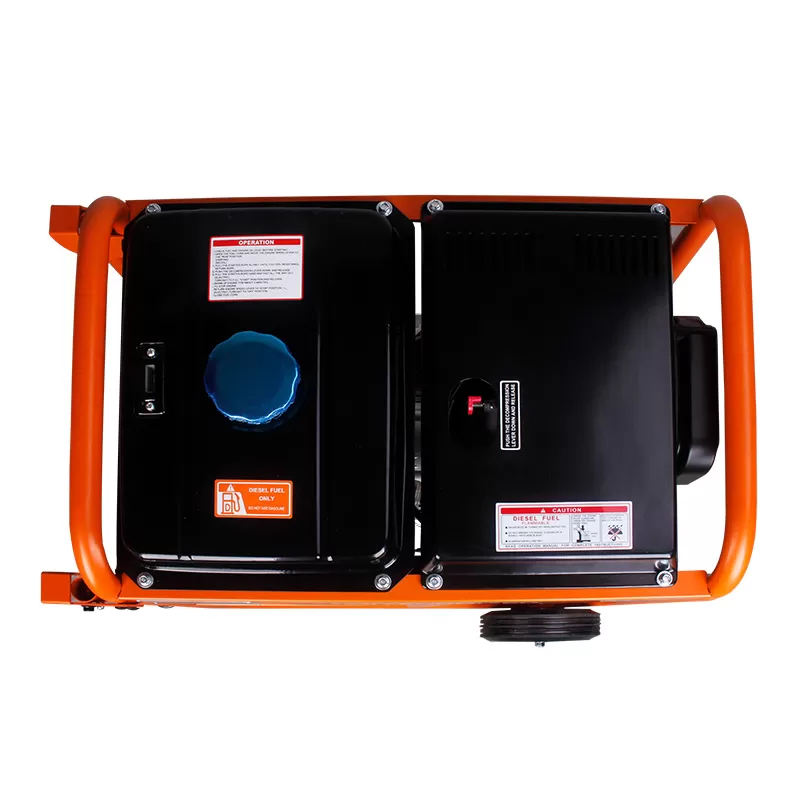
Why United Power is Your Trusted Power Equipment Partner
Selecting reliable industrial machinery requires choosing an established, proven manufacturer. Founded in 2003, United Power brings 23 years of dedicated power equipment engineering to commercial partners worldwide.
Our modern manufacturing facility in Fuzhou spans over 1.5 million square feet. We build every generator using advanced automated production lines and comprehensive load-bank testing systems. From small, nimble power tools to heavy-duty industrial sets, we control quality at every step.
United Power's proprietary 3-15HP engine portfolio covers petrol, diesel, and dual-fuel configurations. We engineer our alternators with 100% copper windings and advanced Automatic Voltage Regulation (AVR) modules. This design maintains tight voltage stability, even when handling the unbalanced loads common on a 3 phase generator 5kva.
Frequently Asked Questions
Q1: Can a 5kVA 3-phase generator run a single-phase 230V appliance?
A1: Yes, you can run single-phase loads from a 3-phase generator, but you must respect the phase split. A 5kVA three-phase unit provides only about 1.67kVA per individual phase. You cannot run a single 3kW 230V tool from one outlet without overloading that phase winding.
Q2: What is the typical 3 phase generator fuel consumption for a 5kVA machine?
A2: At 75% load, a 5kVA diesel generator burns roughly 1.0 to 1.2 liters of diesel per hour. A comparable 5kVA petrol generator uses about 1.6 to 1.9 liters of petrol per hour under the same conditions.
Q3: Why is phase balancing so critical on small 3-phase generator sets?
A3: Uneven electrical loads across phases cause current imbalances in the alternator. This imbalance leads to localized rotor overheating, voltage fluctuations across other phases, and potential damage to connected sensitive electronics or the generator's AVR.
Q4: Do diesel 5kVA generators meet 2026 emission standards?
A4: Yes. Modern diesel units manufactured by United Power incorporate updated combustion chambers and specialized exhaust treatment systems. These features ensure full compliance with current Euro V, EPA, and CE emissions guidelines.
Q5: Can I run a 4kW 3-phase motor with a 3 phase generator 5kva?
A5: Generally, no. Electric motors pull an inductive starting current (inrush current) that can reach 3 to 5 times their running wattage. A 4kW motor will likely stall a 5kVA generator during startup unless the motor uses an external variable frequency drive (VFD) or soft starter.
Power Your Operations with Confidence
Both diesel and petrol 5kVA three-phase generators offer clear operational advantages. For high-hour commercial operations, industrial workshops, and agricultural irrigation, diesel remains the champion of long-term efficiency and durability. For intermittent standby duties and mobile contractors, petrol models provide unbeatable portability and low upfront acquisition costs.
Do you need reliable commercial power equipment built for demanding jobs? Contact the power engineering team at United Power today to discuss technical specifications, explore OEM options, and receive a competitive wholesale quotation for your fleet.