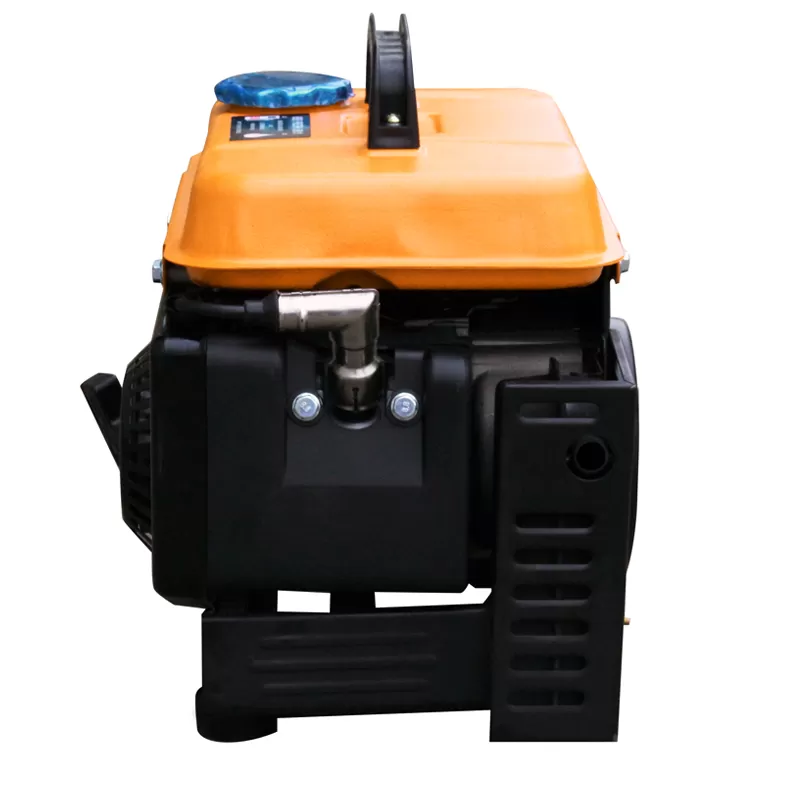
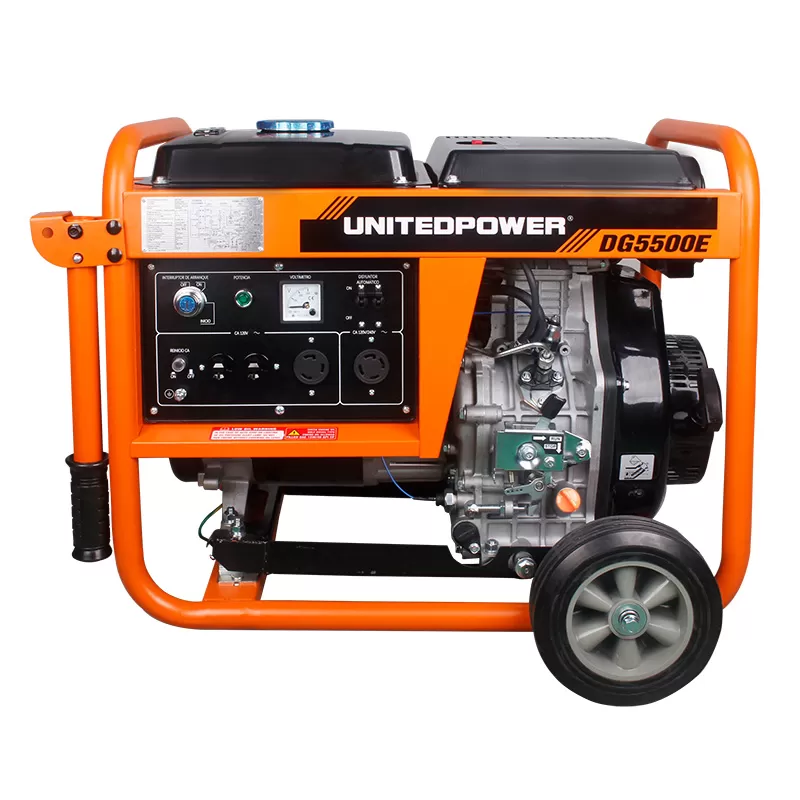
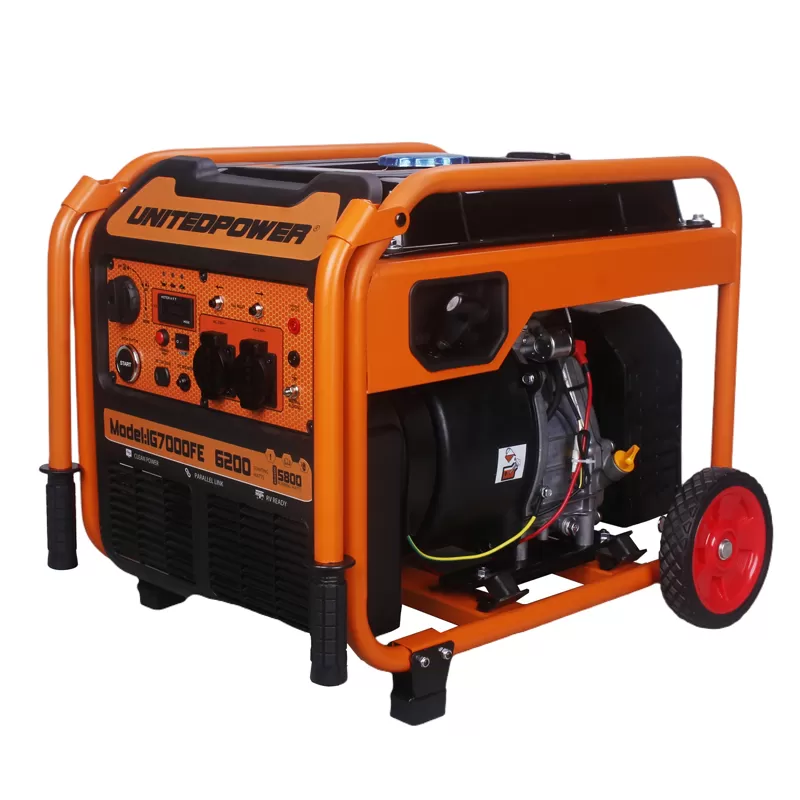
2000 Watt Gasoline Generator: Powertrain Design, THD, and Fleet Sizing
Portable on-demand electrical generation bridges the gap between fixed grid availability and field operations. Among various output classifications, the 2000 watt gasoline generator occupies a distinct operational segment. It maintains an optimal balance between volumetric dimensions, dry weight, continuous electrical output, and thermal efficiency. For equipment rental fleets, light commercial contractors, emergency response units, and field service technicians, selecting the correct mechanical architecture within this power tier dictates long-term reliability and operational return on investment.
Specifying a generation asset requires understanding internal combustion dynamics, alternator topology, total harmonic distortion (THD), and duty-cycle management. A surface-level evaluation of rated versus surge capacity is insufficient for high-demand commercial procurement.
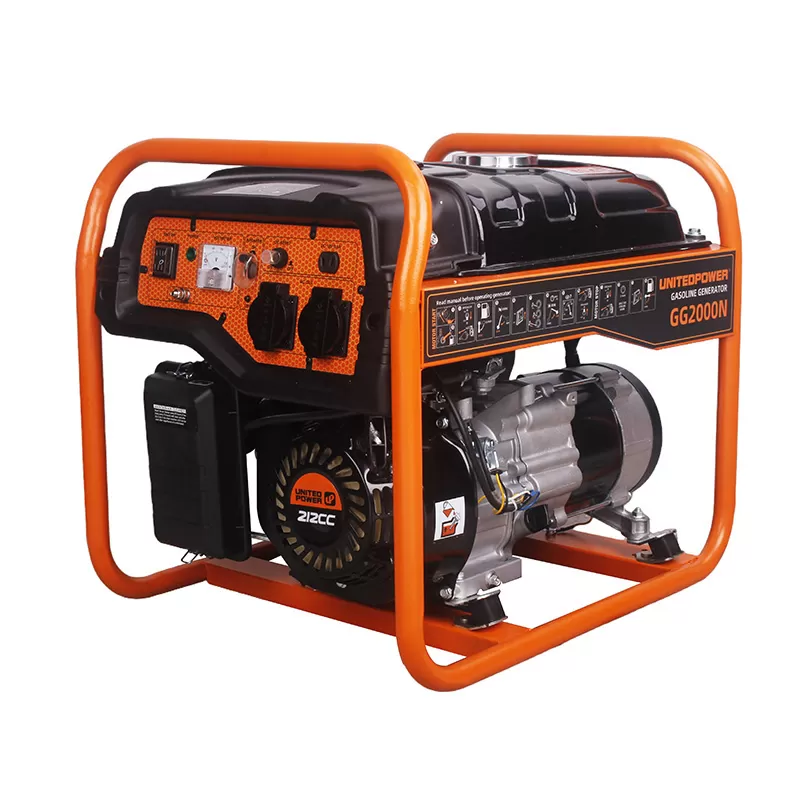
Mechanical Powertrain and Combustion Architecture
At the center of a reliable 2000 watt gasoline generator lies an overhead valve (OHV) four-stroke single-cylinder engine, typically ranging between 79cc and 105cc in displacement. The OHV configuration provides superior thermal transfer compared to side-valve configurations, allowing cooler operation during extended run cycles under continuous load.
Engine longevity depends on several metallurgic and structural parameters:
Cylinder Liner Composition: Cast iron cylinder sleeves significantly outperform bare aluminum bores, resisting frictional wear during cold starts and reducing oil consumption over hundreds of operational hours.
Forced-Air Cooling Geometry: High-efficiency flywheels with integrated radial fan blades direct airflow across precision-cast cylinder head fins. This structural airflow prevents localized hot spots that cause pre-ignition or valve seat warping.
Governor Response Mechanisms: Mechanical centrifugal governors or electronic stepper-motor governors regulate throttle position relative to electrical draw. Electronic systems deliver faster load-step recovery, maintaining engine speed closer to the nominal 3600 RPM baseline under transient inductive spikes.
Crankcase Rigidity: Reinforced aluminum alloy crankcases equipped with dual ball-bearing supported crankshafts minimize rotational vibration, directly extending the operational lifespan of the coupled rotor assembly.
Fuel metering is achieved through precision-calibrated float-bowl carburetors designed to maintain stoichiometric air-fuel ratios under varying atmospheric pressures. Advanced configurations utilize stepped pulse-width carburetors or electronic fuel control units to improve fuel burn rates while complying with regional exhaust limits.
Electrical Generation: Conventional vs. Pure Sine Inverter Topologies
Specifiers evaluating a 2000 watt gasoline generator must choose between conventional brush/brushless synchronous alternators and multiphase inverter-based systems. This distinction defines electrical cleanliness, acoustic profiles, and mechanical weight.
Conventional Synchronous Alternators
Conventional units rely on engine rotational speed to establish frequency: 3600 RPM yields a 60 Hz output, while 3000 RPM yields 50 Hz. Voltage regulation occurs via an Automatic Voltage Regulator (AVR) that modulates excitation current in the rotor windings. While mechanically straightforward and cost-effective for purely resistive loads such as halogen work lights or heating elements, these units exhibit Total Harmonic Distortion levels often exceeding 10% to 15%. This structural distortion generates heat in sensitive microprocessors and variable-speed power tools.
Inverter Alternator Architecture
Modern commercial portable platforms predominantly employ digital inverter architecture. In this design, the engine drives a compact, multi-pole permanent magnet alternator producing high-frequency, three-phase alternating current. This raw AC power is instantly converted to direct current (DC) via an internal rectifier circuit, filtered by high-capacity electrolytic smoothing capacitors, and then inverted back into single-phase AC through an insulated-gate bipolar transistor (IGBT) bridge.
This conversion pathway delivers distinct advantages:
Clean Waveform: Pure sine wave output with Total Harmonic Distortion maintained below 3%, rendering the power safe for telecommunications gear, diagnostic computers, and battery charging stations.
Engine Decoupling: Engine RPM is completely decoupled from electrical output frequency. Under light loads, the engine throttles down to sub-3000 RPM ranges, dramatically reducing fuel consumption, mechanical wear, and acoustic signatures.
Weight Reduction: Permanent magnet stators integrated into the engine flywheel eliminate the bulky, heavy iron-core stators found in traditional alternators, cutting overall unit weight by up to 40%.
Industrial manufacturers such as United Power incorporate premium 100% copper windings within these inverter stators to minimize internal resistance, maximize efficiency, and withstand elevated winding temperatures without dielectric insulation breakdown.
Load Profiling, Sizing Dynamics, and Duty Cycles
Proper integration of a 2000 watt gasoline generator into field workflows requires a deep understanding of load categorization. Electrical loads are not static; they fall into two primary physical categories: resistive and inductive.
Resistive Loads
Resistive loads present a constant electrical impedance without surge requirements. Examples include resistive heaters, incandescent lamps, and soldering stations. A 1200-watt heating element requires 1200 watts to operate continuously and precisely 1200 watts to initialize. Sizing calculations for resistive loads follow direct arithmetic addition.
Inductive Loads
Inductive loads involve electric motors, compressors, and transformers. These devices exhibit substantial inrush currents during the initialization phase while establishing their magnetic fields. A standard 0.5-horsepower water pump or an air compressor may require 600 to 800 running watts, yet demand 1800 to 2200 surge watts for a duration of 300 to 800 milliseconds.
When selecting a 2000 watt gasoline generator, engineers must verify that the generator's transient overload ceiling accommodates the starting volt-amperes of the intended equipment without causing voltage sag that trips the onboard breaker or stalls the engine.
A standard 2000-watt unit generally provides a continuous rating of 1600 to 1800 watts, with 2000 watts reserved as short-duration surge headroom. Operating any combustion generator continuously at 100% rated capacity accelerates thermal degradation; fleet standards dictate sizing continuous running loads at 70% to 80% of rated continuous power to preserve powertrain health and fuel reserve margins.
Emissions Standards, Acoustic Engineering, and Build Standards
Commercial deployment across global regions demands stringent compliance with international emissions standards. Modern engines must satisfy EPA Phase III and CARB Tier 4 requirements in North America, as well as Euro V standards across European territories. Achieving compliance requires tight machining tolerances, low-permeation fuel lines to prevent evaporative hydrocarbons, and closed-loop crankcase ventilation systems.
Noise pollution on construction sites and in public spaces is increasingly regulated. Manufacturers mitigate acoustic output through multi-stage sound suppression engineering:
Acoustic Canopy Design: Fully enclosed, high-density polypropylene or composite housings lined with flame-retardant, open-cell sound absorption foam capture mechanical clatter from valve trains and piston slap.
Tuned Expansion Mufflers: Multi-chambered exhaust systems engineered with internal baffles lower exhaust gas velocity and disrupt low-frequency pressure pulses, dropping operational sound levels down to 52–60 dBA measured at 7 meters under quarter-load conditions.
Elastomeric Engine Mounts: Strategically positioned rubber anti-vibration dampers separate the high-vibration rotating engine-generator block from the external enclosure, preventing chassis resonance and structural fatigue.
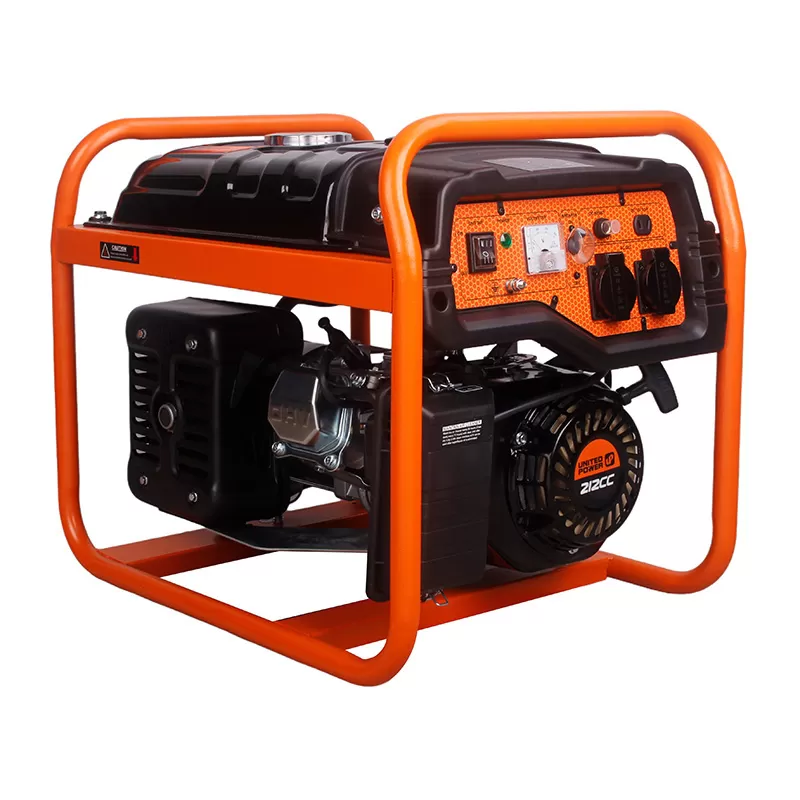
Equipment engineered by United Power incorporates robust structural chassis designs combined with these noise-attenuation features, ensuring compliance with metropolitan sound limits during nighttime or municipal utility maintenance.
Fleet Maintenance Strategy and Extended Service Life
The total cost of ownership (TCO) for a commercial generator depends heavily on preventive maintenance protocols and serviceability access points. A well-constructed generator features modular panels for rapid field servicing.
Key maintenance metrics include:
Lubrication Management: Splash lubrication systems require consistent oil quality. Initial run-in oil changes must occur at 20 operational hours, followed by standard intervals every 100 hours. The integration of high-reliability low-oil shutoff sensors prevents catastrophic engine seizure if a unit operates on an incline or suffers oil consumption.
Air Filtration Architecture: Dual-element air filters combining a washable, oiled foam pre-filter with a pleated paper primary filter protect the cylinder bore from airborne concrete dust, silica, and jobsite debris.
Fuel Preservation and Cleanliness: Fuel tank sumps with fine mesh strainers eliminate sediment ingress. For seasonal or intermittent fleets, fuel system valves allowing run-dry carburetor drainage prevent varnish formation during storage periods.
Spark Arrestor Upkeep: Periodic mechanical descaling of the spark arrestor screen within the exhaust muffler prevents backpressure buildup that degrades fuel efficiency and elevates cylinder head temperatures.
Frequently Asked Questions
What is the realistic difference between running watts and starting watts on this generator class?
Running watts represent the continuous electrical power a generator can supply indefinitely under standard thermal conditions. Starting watts represent the instantaneous surge power available for fractions of a second to overcome the mechanical inertia and magnetic saturation requirements of electric motors.
Can a 2000 watt gasoline generator run sensitive diagnostic tools safely?
If the generator utilizes inverter technology with Total Harmonic Distortion under 3%, it produces clean electrical power comparable to or cleaner than utility grid power. Standard conventional generators with high harmonic distortion should not be paired directly with sensitive electronic boards.
What is the average runtime expected from a full fuel tank under commercial load?
Most commercial 2000-watt units feature fuel tanks holding between 3.5 and 5.0 liters of gasoline. At a standard 50% load, continuous runtime ranges from 6 to 10 hours, depending heavily on engine displacement, throttle management, and ambient operating temperatures.
How does altitude impact the power output of this class of generator?
Naturally aspirated small displacement engines lose approximately 3.5% of their rated power for every 1,000 feet (305 meters) above sea level due to reduced oxygen density. Operating at 5,000 feet reduces total engine capacity by roughly 17.5%, requiring load recalibration and high-altitude carburetor jetting.
Why is 100% copper winding preferred over aluminum in the alternator stator?
Copper exhibits lower electrical resistance, superior thermal conductivity, and greater mechanical strength against thermal expansion cycles compared to aluminum. This prevents insulation breakdown during sustained maximum-load operations and increases the overall electrical conversion efficiency.
Commercial Sourcing and B2B Procurement Support
Selecting reliable portable power equipment requires balancing robust mechanical specifications, stringent emissions compliance, and high manufacturing consistency. United Power manufactures high-performance power generation equipment engineered to meet the operational demands of industrial, commercial, and fleet applications worldwide.
For custom OEM manufacturing inquiries, wholesale fleet pricing, or comprehensive technical data sheets regarding our commercial generation lineup, submit your requirements to our engineering and sales teams today.