Running 2 Stroke Fuel in 4 Stroke Equipment: Mechanical Impact & Solutions
In equipment yards, industrial construction sites, and municipal operations where two-stroke hand tools and four-stroke utility machinery operate side by side, cross-contamination of fuel supplies occurs frequently. Filling a commercial engine with pre-mixed gasoline containing two-cycle lubricating oil creates immediate combustion changes and long-term operational challenges. Understanding the mechanical consequences of running 2 stroke fuel in 4 stroke equipment enables plant managers, fleet mechanics, and procurement specialists to mitigate downtime and protect high-value capital assets.
Two-stroke and four-stroke internal combustion systems handle lubrication through fundamentally different pathways. Two-stroke engines depend entirely on oil blended directly into the incoming fuel charge to lubricate the crankshaft bearings, wrist pins, and cylinder walls. Four-stroke systems maintain a dedicated oil reservoir in the crankcase, circulating lubricating oil via an internal pump or splash mechanism. Introducing oil-rich fuel into an engine designed strictly for straight gasoline disrupts precise air-fuel ratios, alters flame front propagation, and leaves non-combustible deposits throughout the top end of the power unit.

Combustion Chemistry: What Happens During 2 Stroke Fuel in 4 Stroke
Operation
Standard four-stroke commercial engines require clean, unleaded gasoline with specific octane ratings to maintain stable compression cycles and controlled ignition. Two-stroke premix combines standard gasoline with synthetic, semi-synthetic, or mineral-based two-cycle engine oil at ratios ranging from 50:1 down to 25:1. When this mixture enters a four-stroke combustion chamber, several chemical and thermal deviations take place.
The introduction of heavy hydrocarbon lubricant chains lowers the effective octane rating of the fuel mixture. This octane depression increases the potential for abnormal combustion events, such as engine pinging, detonation, or pre-ignition under heavy mechanical loads. Because two-stroke oils feature higher flash points than straight gasoline, the fuel-oil charge does not atomize or vaporize completely within the short intake window of a four-stroke overhead valve (OHV) configuration. The unburned oil droplets travel across the cylinder, altering the stoichiometry and causing the engine to run artificially rich.
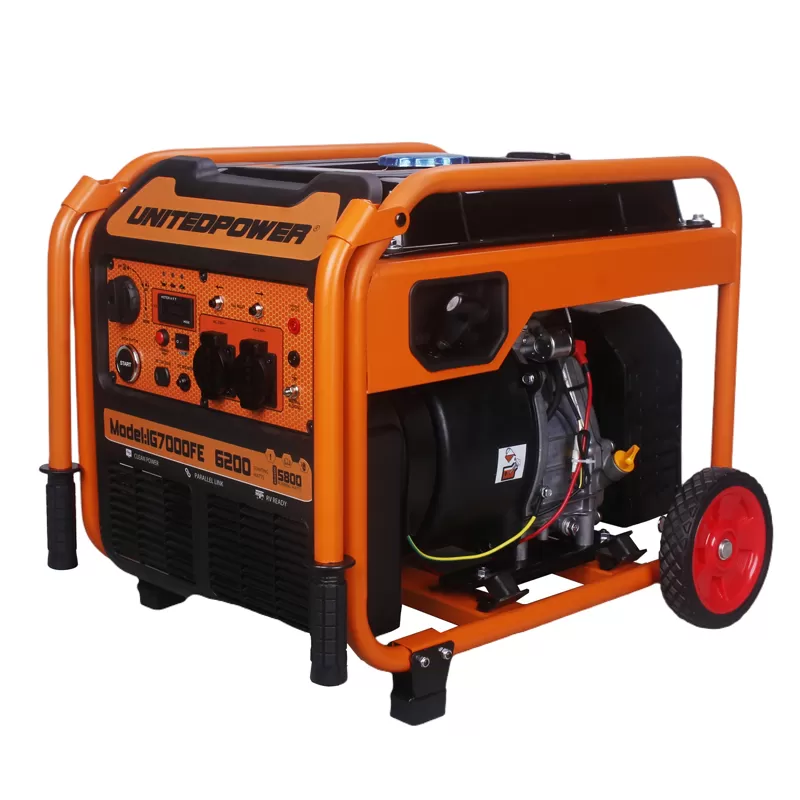
The heavier components of the lubricant fail to burn cleanly, producing heavy carbon soot, unburned hydrocarbon emissions, and visible blue-gray exhaust smoke. In industrial generator sets manufactured by United Power, where engines operate under tight frequency and voltage parameters, this incomplete combustion manifests as uneven idle, reduced throttle response, and measurable power derating across continuous duty cycles.
Component-by-Component Impact on 4-Stroke Architecture
The physical presence of oil in the combustion chamber triggers immediate and progressive contamination across specific engine sub-assemblies. The severity of the damage correlates directly with fuel ratio concentration, engine operating temperatures, and runtime duration.
Spark Plug Fouling and Ignition Failure
The ignition system is typically the first sub-assembly to register operational failure. Spark plug electrodes in four-stroke engines are engineered to operate within a specific self-cleaning temperature zone (typically 450°C to 850°C). When 2 stroke fuel in 4 stroke combustion chambers is ignited, residual ash and wet oil bridge the gap between the center electrode and the ground strap. This oil-induced carbon bridging causes:
Intermittent misfires under heavy load transitions.
Hard starting or total failure to turn over under cold conditions.
Voltage leakage along the ceramic insulator nose, weakening ignition spark intensity.
Intake and Exhaust Valve Degradation
Four-stroke engines rely on precision-machined poppet valves operating within tight dimensional tolerances. When lubricating oil burns partially on the exhaust stroke, sticky carbonaceous lacquer accumulates along the exhaust valve stem and the valve face. Over continuous operating hours, this build-up prevents the valve from seating completely against the cylinder head, resulting in:
Loss of compression pressure and diminished power output.
Localized overheating and burning of the exhaust valve margin due to improper thermal transfer to the cylinder head seat.
Carbon buildup along the intake valve tulip, which absorbs raw fuel droplets and creates lean-fuel surge conditions during acceleration.
Piston Ring Sticking and Cylinder Bore Glazing
The top compression ring and the second scraper ring on a four-stroke piston require clean ring lands to float freely and exert radial tension against the cross-hatched cylinder wall. Residual two-stroke oil migrates past the piston crown, baking into hard varnish within the ring grooves. Stuck compression rings cause combustion blow-by, which forces hot exhaust gases down into the crankcase. This process accelerates crankcase oil thermal breakdown, creates sludge, and causes cylinder wall glazing, permanently degrading the mechanical seal.
Aftertreatment and Exhaust System Clogging
Modern emissions-compliant industrial engines incorporate catalytic converters, oxygen sensors, and spark arrestors. The metal-organic additives, detergents, and ash components in two-stroke oil contaminate the catalytic coating on exhaust catalysts, rendering them inert. Oxygen sensors become coated in soot, sending false voltage signals to electronic fuel injection (EFI) controllers, while spark arrestor screens quickly plug with carbon, generating excessive exhaust backpressure that chokes engine performance.
Fleet Diagnostic and Remediation Protocols
When mixed fuel contamination occurs on a job site or inside a continuous-duty installation, machine operators must follow systematic remediation protocols to prevent structural component failure.
Immediate Shutdown and Fuel Evacuation
If fuel cross-contamination is identified while the machinery is running, the operator must shut down the unit immediately to limit carbon accumulation. The recovery process involves several mandatory maintenance actions:
Complete Fuel Tank Draining: Remove the contaminated fuel from the tank using a dedicated extraction pump or the tank bottom drain plug. Dispose of the contaminated fuel according to hazardous waste regulations.
Carburetor or Fuel Rail Purge: Loosen the carburetor float bowl drain screw to evacuate all remaining premix fuel from the internal passages. For electronic fuel injection systems, depressurize the fuel rail and flush the injector line.
Fuel Filter Replacement: Replace inline fuel filters and tank suction screen assemblies, as two-cycle oils can coat filter media and restrict future gasoline flow.
Combustion Chamber Decontamination
After purging the supply system, the cylinder head and ignition hardware require direct inspection before returning the equipment to service:
Remove the spark plug. If the plug shows heavy carbon deposits or wet oil fouling, discard and replace it with a new OEM-specified unit rather than cleaning it with wire brushes, which can damage the electrode plating.
Inspect the top of the piston through the spark plug port using an inspection borescope to determine the level of carbon build-up.
Fill the fuel tank with fresh, clean unleaded gasoline containing an appropriate top-end fuel system cleaner to help dissolve minor valve deposits.
Run the engine without electrical load for 10 to 15 minutes to clear residual traces of oil from the intake and exhaust runners, monitoring exhaust clarity and engine temperature.
Commercial Generator Performance Under Mixed-Fuel Conditions
For operations utilizing stationary or portable power plants, running 2 stroke fuel in 4 stroke generator sets introduces unique performance instabilities. High-output utility equipment, such as professional-grade power generators engineered by United Power, depend on consistent engine RPM to maintain stable output frequency (50 Hz or 60 Hz) and steady voltage under fluctuating electrical loads.
When contaminated fuel enters the combustion chambers of these power units, the fluctuating burn rates interfere with governor response. Mechanical and electronic governors constantly adjust the throttle butterfly to compensate for RPM drops caused by incomplete combustion cycles. This results in governor "hunting," where the engine surges up and down rhythmically. This cycling introduces harmonic distortion into the electrical output, potentially damaging sensitive downstream inductive loads, power tools, and electronic control boards plugged into the generator.
Operational Prevention Strategies for Fleet Yards
Equipment yards managing mixed equipment inventories can eliminate cross-fuel contamination through disciplined operational controls. The cost of fuel management protocols is minimal compared to the expenses associated with engine overhauls, valve replacements, and lost job-site productivity.
Establishing clear visual and structural safeguards ensures that operators fill equipment correctly, even under demanding site conditions:
Color-Coded Fuel Storage: Standardize fuel can colors across all operating sites—for instance, using standard red canisters strictly for straight unleaded four-stroke fuel and dedicated yellow, blue, or clearly marked striping for two-stroke premix.
Differentiation of Fill Nozzles: Utilize distinct nozzle sizes, custom tags, or physical lockouts on fuel storage containers to prevent accidental dispensing.
Dedicated Staging Zones: Separate two-stroke hand tools (saws, trimmers) from four-stroke heavy plant machinery (generators, plate compactors, light towers) in equipment check-out yards.
Daily Pre-Start Checks: Train site supervisors to verify fuel clarity and color during morning inspections; dyed two-stroke oil (typically blue, green, or red) is easily visible in fuel sight glasses and clear lines.
Engine Longevity and Maintenance Schedules
Occasional, low-hour exposure to 2 stroke fuel in 4 stroke machinery will rarely cause complete mechanical seizure if corrected promptly. Modern four-stroke engines built with high-grade aluminum alloys, cast-iron cylinder liners, and hardened valve seats possess a degree of tolerance against brief lubricated-fuel events.
Repeated or extended operation on mixed fuel, however, shortens preventative maintenance intervals considerably. If a fleet unit has run on two-stroke premix for extended operational hours, maintenance managers must adjust their service schedule:
Crankcase Oil Draining: Change the crankcase engine oil and oil filter immediately. Fuel blow-by containing two-stroke premix thins the engine oil, degrading its viscosity and reducing its shear strength.
Valve Clearance Calibration: Inspect and adjust the valve lash on the rocker arms. Carbon accumulation on the valve seat can alter clearances, causing valve float or insufficient closure during high-RPM cycles.
Compression and Leak-Down Testing: Perform a differential cylinder pressure test to confirm that the piston rings and valve seats have retained their factory sealing integrity.
Frequently Asked Questions
Can a four-stroke engine run permanently on a 50:1 two-stroke mix?
No. Operating a four-stroke engine continuously on a 50:1 or 40:1 fuel-oil mixture will inevitably lead to severe spark plug fouling, heavy carbon buildup along the valve train, sticking piston rings, and premature exhaust system clogging. The engine will experience progressive power loss, elevated emissions, and eventual valve failure.
What should be done if an operator adds two-stroke fuel to a generator by mistake?
If the mistake is caught before starting, do not crank the engine. Drain the fuel tank completely, flush the lines, and refill with clean, straight gasoline. If the engine has already run, shut it down, drain the fuel system, replace the spark plug, refill with clean fuel, and run the engine under light load to burn off remaining residue.
Will diluted two-stroke fuel harm the catalytic converter on modern utility engines?
Yes. The metallic additives, unburned heavy oils, and ash components found in two-cycle engine lubricants coat the precious metal catalysts inside the catalytic converter. This causes chemical masking, permanently impairing the converter's ability to reduce exhaust emissions and causing backpressure increases.
Is it acceptable to dilute two-stroke fuel with straight gas instead of draining the tank?
If the fuel tank contains only a tiny fraction of two-stroke fuel (for example, less than 5% of the total tank volume), topping it off completely with fresh unleaded gasoline may dilute the oil concentration to a point where it burns with minimal fouling. If the mixture is concentrated (e.g., a full tank of 50:1 or 40:1 premix), draining the fuel completely is necessary to avoid mechanical issues.
How does two-stroke premix affect electronic fuel injection (EFI) four-stroke engines?
In EFI systems, the higher viscosity of two-stroke fuel blends can restrict fine injector orifices, altering the spray pattern and reducing atomization quality. The resulting incomplete combustion generates soot that rapidly contaminates the heated oxygen sensor, causing the engine control module to miscalculate the required fuel delivery.
Industrial Engine Supply and Fleet Procurement Solutions
Maintaining high equipment uptime requires reliable power plants, robust engine manufacturing standards, and access to OEM-grade parts. For heavy-duty commercial, agricultural, and industrial operations, United Power engineers high-performance four-stroke engines, generator systems, and water pumps designed to deliver continuous output under rigorous operational environments.
For industrial fleet operators, equipment distributors, and OEM plant managers seeking robust machinery engineered to strict commercial standards, our engineering and procurement team provides comprehensive technical support, bulk machinery supply, and specialized maintenance guidance.
Contact our global distribution team today to discuss equipment specifications, request bulk product quotations, or consult on custom engine configurations for your industrial machinery requirements.