Why a 950 Watt Generator Fits Small-Scale Commercial Operations
Portable power generation remains a cornerstone for small industries, agricultural operations, and retail distribution networks globally. Among the various power output segments, the small-displacement generator 950 watts model occupies a highly specific and practical niche. These units balance portability with sufficient electrical output to run standard diagnostic tools, small appliances, and low-draw electrical motors. For procurement managers, wholesale distributors, and commercial suppliers, understanding the mechanical build, operational efficiency, and sourcing parameters of these power units is necessary to make informed purchasing decisions.
United Power has manufactured small-displacement combustion engines and portable alternators for decades, developing systems that prioritize mechanical durability and stable thermal performance. This analysis explores the technical architecture, commercial application profiles, fuel-consumption realities, and import compliance parameters associated with the generator 950 watts output class.
Mechanical Architecture and Alternator Engineering
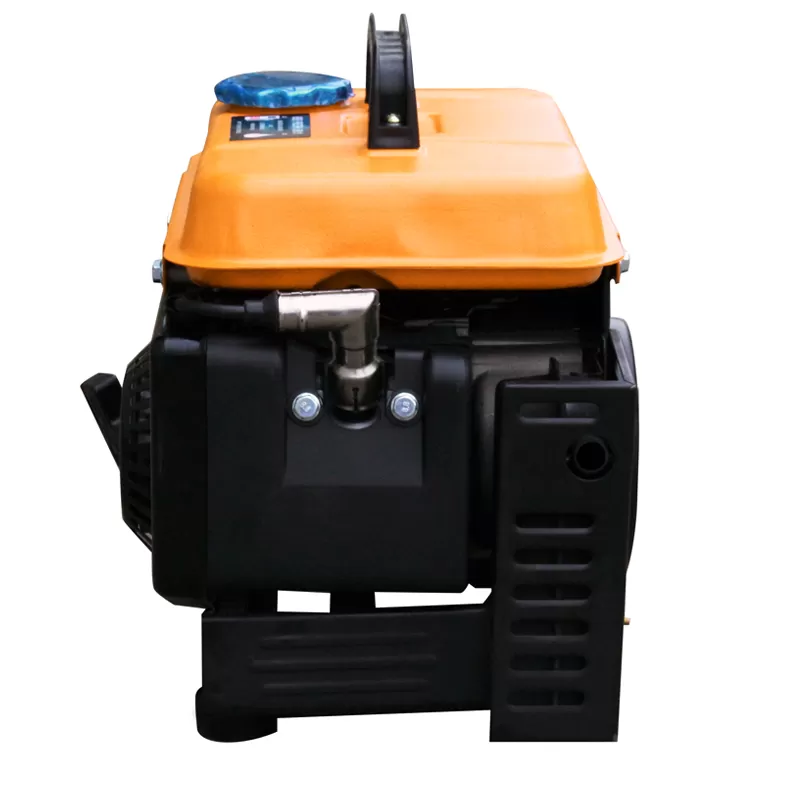
The operational reliability of a generator 950 watts unit depends on the design of its combustion engine and its alternator assembly. Most units in this output category employ a single-cylinder, air-cooled system to keep the overall dry weight manageable for single-person transport.
Two-Stroke versus Four-Stroke Engine Configurations
In the sub-1000-watt power range, manufacturers typically select between two-stroke and four-stroke overhead valve (OHV) engines. Two-stroke configurations are widely valued for their structural simplicity, lower component count, and higher power-to-weight ratio. By eliminating the complex valvetrain, pushrods, and dedicated oil pump found in four-stroke systems, the two-stroke engine reduces both the physical footprint and the manufacturing cost of the overall unit.
Four-stroke engines, by comparison, offer improved emission profiles and do not require the pre-mixing of oil and gasoline. However, they add substantial weight and require regular crankcase oil changes. For industrial applications where equipment is subjected to rough handling and frequent transit, the mechanical simplicity of a two-stroke configuration often minimizes down-time and lowers the initial procurement cost per unit.
Alternator Windings and Voltage Regulation
The conversion of mechanical energy into electrical energy relies on the alternator. Premium units utilize 100% copper windings in both the stator and rotor assemblies. Copper offers superior electrical conductivity and lower thermal resistance compared to copper-clad aluminum (CCA). This translates to reduced heat generation during extended run cycles and a longer operational lifespan for the internal insulation.
Voltage regulation in a standard generator 950 watts model is typically managed by a capacitor-style regulation system, though some premium lines utilize small Automatic Voltage Regulator (AVR) modules. Capacitor regulation is highly reliable for resistive loads, such as incandescent lighting and heating elements, and is structurally resilient against dust and moisture exposure. For inductive loads, such as small power tools containing electric motors, stable winding design prevents voltage drops during the startup surge phase.
Performance Metrics and Load Capacities
| Parameter | Standard Specification | Engineering Implications |
|---|---|---|
| Surge / Peak Output | 950 Watts | The maximum power available for starting inductive loads (usually limited to short durations). |
| Rated / Continuous Output | 800 to 850 Watts | The safe continuous operating limit for sustained electrical loads without overheating. |
| Engine Displacement | 63cc to 80cc | Determines torque output and the unit's ability to maintain RPM under sudden load increases. |
| Cooling System | Forced Air-Cooled | Utilizes a flywheel fan to draw air over the cylinder fins, maintaining safe operating temperatures. |
| Starting Mechanism | Recoil Start | A manually operated pull-start system that eliminates the need for a heavy onboard battery. |
Operating a generator 950 watts unit near its peak capacity requires an understanding of resistive versus inductive loads. Resistive loads, which convert electricity directly into heat or light, draw a constant wattage. Inductive loads, such as small electric water pumps, drills, or fans, require a high initial surge current to establish the magnetic field in their motor windings. The surge capacity of the generator must accommodate this momentary spike without tripping the integrated thermal circuit breaker.
Primary Commercial and Field Applications
While large-scale construction sites require high-output multi-kilowatt generators, the generator 950 watts model serves specialized, high-mobility applications where fuel efficiency, small footprints, and ease of transport are paramount.
Field Telecommunications and Testing
Technicians working on remote signal towers, fiber-optic distribution nodes, and environmental monitoring stations often require localized power. These tasks typically involve powering small diagnostic monitors, soldering irons, signal transmitters, and charging battery packs for cordless hand tools. A heavy generator is inefficient for these low-wattage tasks, as operating a large combustion engine at a fraction of its rated capacity leads to fuel glazing and carbon buildup. A compact unit provides the precise load match required for efficient field testing.
Agricultural and Irrigation Monitoring
In rural and agricultural sectors, small power units are utilized to operate electric fence energizers, low-power transfer pumps, and remote automated gate systems. The lightweight construction allows field workers to transport the generator in small utility vehicles or carry them across uneven terrain by hand. United Power manufactures these units with protective metal roll-cages, preventing damage to the fuel tank and engine block during agricultural deployment.
Mobile Retail and Small Vendor Operations
Pop-up retail kiosks, outdoor night markets, and mobile food stalls require reliable, low-noise power for LED lighting, point-of-sale terminals, and low-draw refrigeration units. The generator 950 watts class is well-suited for these environments due to its low fuel consumption rate, which reduces operating costs over a standard eight-hour retail shift.
Addressing Procurement Pain Points: Fuel Efficiency and Noise Control
When purchasing equipment for commercial distribution networks, buyers must analyze the operational costs and user-experience factors that dictate market success. Fuel efficiency and decibel ratings are primary considerations for end-users.
Fuel Consumption and Operational Run-Time
A typical generator 950 watts model features a fuel tank capacity ranging from 4 to 4.2 liters. At a steady 50% load, a well-engineered unit consumes approximately 0.5 to 0.6 liters of fuel per hour. This allows for continuous operation of approximately 7 to 8 hours on a single tank. In regions where fuel costs are high, the low consumption rate of these small-displacement engines provides a distinct operational advantage over larger, under-utilized machines.
Acoustic Management and Sound Abatement
In urban, residential, or crowded retail settings, sound levels are heavily regulated. Standard open-frame generators in this power class emit approximately 65 to 70 decibels (dB) at a distance of 7 meters. To manage sound emissions, manufacturers apply several engineering solutions:
Rubber vibration-isolation mounts placed between the engine block and the steel frame to minimize structural resonance.
Dual-chamber exhaust mufflers designed to damp high-frequency exhaust notes without causing excessive backpressure, which would reduce engine power.
Polymer air filter housings that baffle intake noise, a frequently overlooked source of high-frequency engine sound.
Global Regulatory Compliance and Quality Standards
Importers and wholesale distributors must ensure that any power generation machinery meets the local regulatory framework of the destination market. Importing non-compliant combustion engines can lead to customs seizures, fines, and liability issues.
Emissions and Environmental Standards
For entry into North American markets, equipment must comply with the United States Environmental Protection Agency (EPA) standards and, where applicable, California Air Resources Board (CARB) regulations. These standards limit the emissions of carbon monoxide (CO), nitrogen oxides (NOx), and hydrocarbons. In the European Union, Euro V emission stages govern small non-road spark-ignition engines. United Power closely monitors these developments, ensuring that our engine designs incorporate the necessary catalytic mufflers and sealed fuel caps to prevent evaporative emissions.
Electrical Safety and Quality Seals
Electrical safety certifications such as CE marking for the European Economic Area, UL standards for North America, and GS certifications for Germany ensure that the electrical panels, grounding terminals, and insulation systems of the generator 950 watts units are constructed safely. Compliance with these frameworks requires robust short-circuit protection and reliable over-current circuit breakers to protect the operator and the connected equipment from electrical faults.
Maintenance Protocols for Commercial Fleets
To maximize the service life of a generator 950 watts fleet, operators must adhere to systematic preventative maintenance. Proper upkeep reduces mechanical failures and maintains the efficiency of the fuel system.
Spark Plug Maintenance: Two-stroke engines require periodic inspection of the spark plug, as oil-mix fuel can lead to carbon deposits on the electrode. Cleaning and regapping the plug every 50 hours of operation ensures reliable ignition.
Air Filter Cleaning: Dust and debris from field environments clog the foam air filter element. Washing the element in a non-flammable solvent and applying light engine oil every 50 operating hours protects the cylinder bore from abrasive wear.
Fuel System Preservation: When storing units for more than 30 days, draining the carburetor float bowl and fuel tank prevents fuel varnish from clogging the jetting, which is a common cause of hard starting.
Fastener Inspection: The vibration inherent in single-cylinder engines can slowly loosen structural bolts. Regularly tightening engine mounts, exhaust shields, and handle components prevents structural damage.
Frequently Asked Questions
Q1: What is the differences between rated output and maximum output for this wattage?
A1: Rated output is the continuous load that the generator can safely support over extended operating hours, usually between 800 and 850 watts. Maximum output, which is 950 watts, is the peak limit available for brief moments to start inductive motors or handle temporary power surges.
Q2: Can a generator 950 watts unit run a domestic refrigerator?
A2: Generally, no. While a running refrigerator may only consume 150 to 300 watts, its compressor motor requires a starting surge that frequently exceeds 1200 watts. This surge exceeds the peak capacity of a 950-watt system, causing the circuit breaker to trip.
Q3: What type of fuel mixture is required for the 2-stroke variant?
A3: Most 2-stroke engines in this class require a 50:1 or 25:1 ratio of regular unleaded gasoline to high-quality 2-stroke air-cooled engine oil. The specific ratio depends on the engine design and must be precisely measured to prevent plug fouling or engine seizure.
Q4: How does United Power ensure quality control on high-volume production runs?
A4: United Power implements structured testing protocols at every stage of assembly. Each unit undergoes a hot-run test under variable electrical loads to verify voltage stability, frequency regulation, and thermal performance before final packaging and shipment.
Q5: What are the primary shipping configurations and packaging standards for international distribution?
A5: Units are packed in high-density, double-wall corrugated cartons with custom-molded foam inserts to withstand ocean freight transport and domestic shipping. Standard container loading plans are optimized to maximize volume efficiency, reducing per-unit freight costs for bulk importers.
Partner with United Power for High-Volume Sourcing
Selecting a reliable manufacturing partner is essential for maintaining product quality and securing a stable supply chain. United Power works closely with commercial distributors, agricultural wholesalers, and retail brand owners to deliver durable power generation products tailored to regional market specifications.
Whether you require customized packaging, specific voltage outputs, or compliance with particular environmental standards, our engineering team is prepared to assist with your procurement needs. Contact United Power today to receive a comprehensive product catalog, request a quote for bulk orders, or discuss detailed technical specifications with our sales engineering department.