What Technical Factors Define the Best Home Welder for Light Fabrication?
Metal fabrication in residential settings, light maintenance environments, and small-scale workshops presents distinct engineering challenges. Unlike industrial production facilities equipped with robust three-phase power grids, home workshops must operate within the strict limits of single-phase electrical supplies. Selecting the best home welder requires a comprehensive understanding of how machine architecture, input power requirements, and welding processes align with these infrastructure constraints. For commercial buyers and distributors sourcing equipment for light commercial and residential users, evaluating these parameters ensures that sourced machinery delivers stable arc performance without overloading typical domestic circuits.
United Power, with deep roots in manufacturing high-performance engines, generators, and support equipment, recognizes that the utility of any electric tool is fundamentally tied to its power source. Welder efficiency, arc stability, and thermal duty cycles depend directly on the quality of incoming voltage. This analysis examines the technical variables that define high-performing welding machines designed for residential use, helping procurement professionals and end-users make informed selection decisions.
.webp?t=1782898441895 "IW160T (3)")
Categorizing Welding Processes for Domestic Environments
The choice of welding process dictates the ease of operation, the materials that can be joined, and the auxiliary equipment required. Each process has specific electrical and gas delivery needs that influence its suitability for home workshops.
Gas Metal Arc Welding (MIG)
MIG welding is widely utilized due to its high deposition rate and relative ease of operation. The process relies on a continuous wire electrode fed through a torch, shielded by an external gas supply—typically a mixture of 75% Argon and 25% Carbon Dioxide. This constant-voltage process allows for clean, high-speed welds on mild steel, stainless steel, and aluminum.
For home users, the primary drawback of traditional MIG is the requirement for high-pressure shielding gas cylinders, which can be cumbersome to store and transport. However, when clean finishes on thin-gauge sheet metal are required, MIG remains the preferred method.
Flux-Cored Arc Welding (FCAW)
Flux-cored welding operates on similar principles to MIG but utilizes a hollow wire filled with flux compounds. As the wire melts, the flux reacts to generate its own shielding gas, eliminating the need for external gas cylinders. This makes it highly portable and suitable for outdoor fabrication where wind might disperse a shielding gas cloud.
The arc characteristics of flux-cored welding tend to produce more spatter and slag, which requires post-weld cleaning. It is highly effective for heavier structural steel fabrication where cosmetic appearance is secondary to structural integrity.
Shielded Metal Arc Welding (Stick)
Stick welding is a constant-current process that uses consumable electrodes coated in flux. It is exceptionally tolerant of surface contamination, allowing operators to weld rusty, painted, or corroded metals with minimal preparation. Common electrodes such as E6011 and E7018 provide versatile options for deep penetration or high-strength applications.
While stick welding is mechanically simple and requires no gas cylinders, it demands a higher level of manual dexterity. The process operates at high temperatures, making it less suitable for thin-gauge sheet metal commonly found in automotive repair.
Gas Tungsten Arc Welding (TIG)
TIG welding offers the highest level of precision and weld quality, utilizing a non-consumable tungsten electrode and a separate manual filler rod. This constant-current process requires 100% Argon shielding gas and precise control of the heat input, often managed via a foot pedal.
TIG is ideal for thin materials, exotic alloys, and aluminum (which requires an alternating current, or AC, power source). The slow speed and complexity of TIG make it a specialized choice, preferred by advanced fabricators rather than general home users.
Power Supply Limitations and Input Voltage Dynamics
A primary constraint when identifying the best home welder is the available electrical infrastructure. Typical residential electrical panels supply 120-volt or 240-volt single-phase power. Understanding how a welding machine interacts with these electrical supplies is vital for safe and efficient operation.
Standard 120V household outlets are usually fused at 15 or 20 amps. A welding machine operating on 120V input is typically limited to an output of 90 to 140 amps. While sufficient for thin-gauge sheet metal, sheet metal fabrication, and light repairs, this current level is inadequate for materials thicker than 3/16 inches in a single pass.
Upgrading to a 240V circuit allows the machine to pull more wattage at a lower amperage draw relative to the input line. This enables output ranges from 150 to over 200 amps, allowing for deep penetration on thicker structural steel. Dual-voltage machines equipped with multi-voltage plugs offer the highest level of adaptability, allowing users to operate at low power on standard outlets and switch to high power when a 240V outlet is accessible.
Inverter Technology vs. Transformer-Based Designs
The internal architecture of the power supply determines the weight, power draw, and arc characteristics of the welding machine.
Older welding machines rely on heavy copper transformers to step down input voltage and increase output amperage. While transformer machines are simple, exceptionally durable, and highly reliable over decades of use, they suffer from low electrical efficiency and high power consumption. They also require high starting currents, which can easily trip residential circuit breakers.
Modern inverter-based machines utilize silicon-controlled rectifiers and high-frequency switching transistors to convert incoming AC power to DC, increase its frequency, step it down, and then rectify it back into a smooth welding current. This solid-state approach yields several operational benefits:
Significant weight reduction, typically making inverter welders highly portable.
Improved power efficiency, drawing less current from the household grid.
Advanced arc control features, such as pulse welding, hot start, and arc force adjustment, which stabilize the arc even under unstable input voltage.
Evaluating Duty Cycle and Thermal Protection
The duty cycle represents the percentage of a ten-minute period that a welding machine can operate at a specific amperage output before overheating. For example, a welder with a duty cycle of 30% at 150 amps can weld continuously for three minutes out of ten, requiring seven minutes of cooling with the fan running.
Residential welders typically operate with duty cycles ranging from 20% to 40% at maximum output. Attempting to weld beyond these limits triggers thermal overload protection circuitry, which shuts down the welding output to prevent insulation breakdown within the transformer or inverter components.
When sourcing equipment, matching the duty cycle to the expected workload prevents unnecessary downtime. For light repairs, a 20% duty cycle is adequate. For fabrication projects involving long, continuous joints, a higher duty cycle or a machine with a higher maximum output run at a lower amperage is necessary.
The Synergy Between Portable Power Generation and Welding
For mobile repair operations, agricultural maintenance, and remote jobsites where grid power is unavailable, welding machines must be powered by portable generators. This scenario presents specific challenges related to power quality.
Inverter welders are highly sensitive to voltage fluctuations and harmonic distortion in the input power supply. If powered by a standard utility generator with high Total Harmonic Distortion (THD), the delicate microprocessors within the inverter can sustain permanent damage. To run an inverter welder safely, the generator must produce clean power with a low THD, typically under 5%.
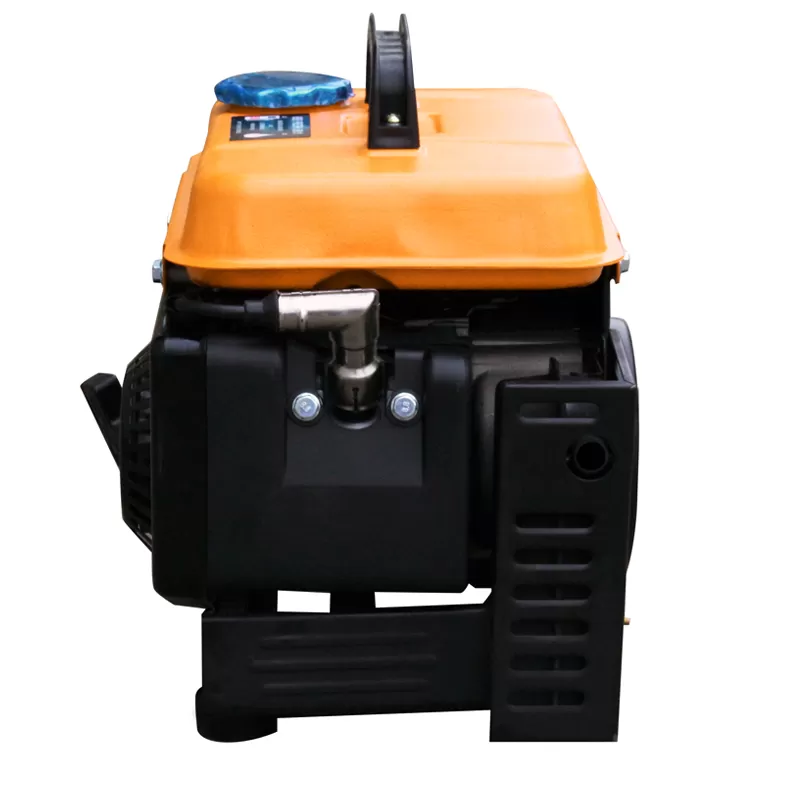
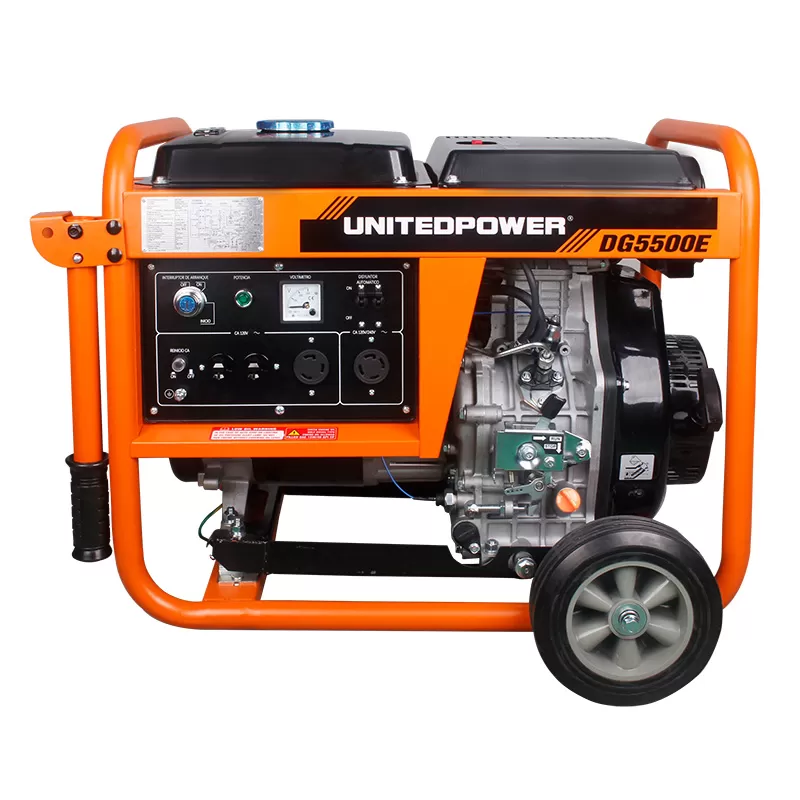
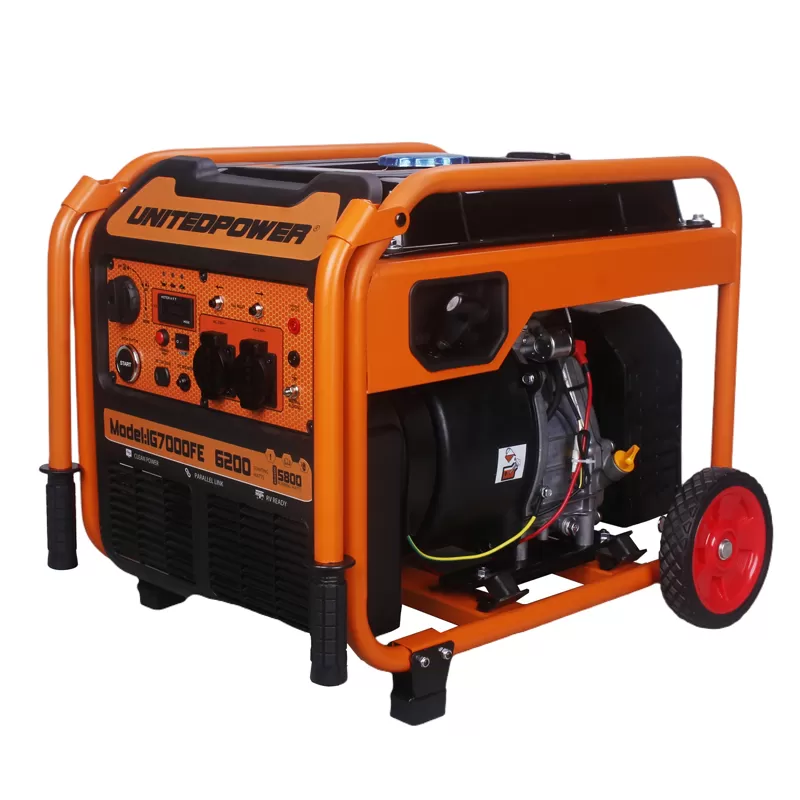
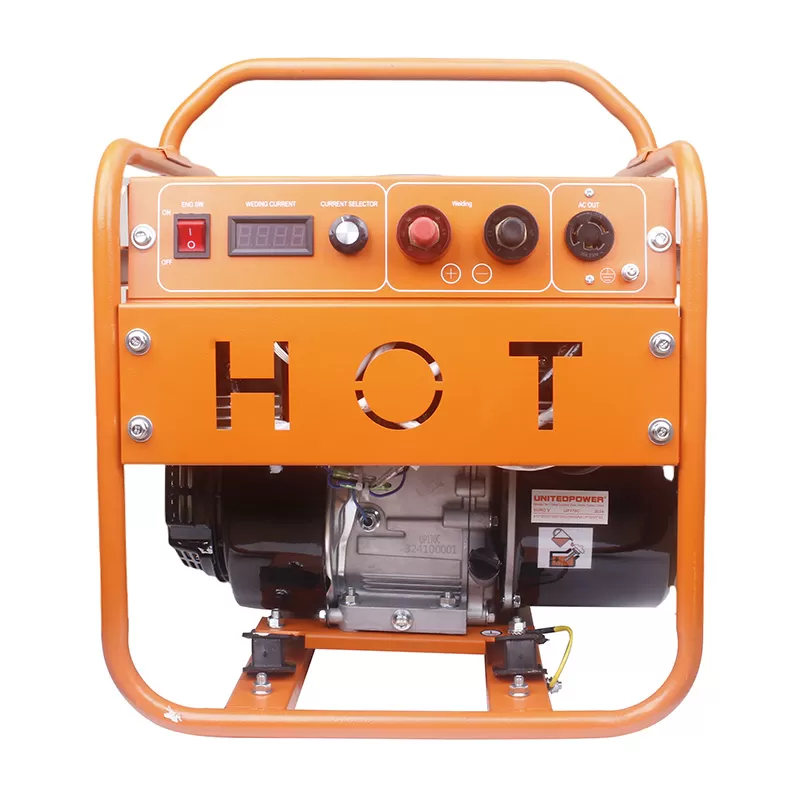
United Power specializes in the engineering of high-quality engines and generators that supply the clean, stable electrical output required by modern solid-state welding equipment. By matching a clean-power generator with a dual-voltage inverter welder, users can establish a highly mobile fabrication setup that performs consistently in off-grid locations.
Key Technical Specifications to Analyze Before Purchase
When comparing different options to find the best home welder for your specific inventory or workshop needs, focus on the following engineering metrics:
Input Voltage and Amperage Draw: Verify if the unit supports dual-voltage (120V/240V) and ensure the input current requirements match your workshop's breakers.
Amperage Range: A broader range (e.g., 30A to 200A) allows for a wider variety of material thicknesses, from thin sheet metal to structural plate.
Wire Feed Speed Control: For MIG/FCAW, precise feed motor control is necessary to maintain arc stability and avoid burn-back.
High-Frequency Start vs. Lift Start: For TIG applications, high-frequency start allows for arc ignition without touching the tungsten to the workpiece, preventing contamination.
Weight and Enclosure IP Rating: Portable units should weigh under 40 lbs, with an Ingress Protection (IP) rating sufficient to withstand dust and moisture in workshop environments.
Frequently Asked Questions
Q1: Can I run a high-output welding machine on a standard household outlet?
A1: Standard household outlets in North America supply 120V at 15A or 20A. While you can run a welder on these circuits, the output is generally capped around 140A. For welding materials thicker than 3/16 inch, a dedicated 240V circuit is recommended to avoid frequently tripping breakers and to allow the machine to run at its full capacity.
Q2: Why does the Total Harmonic Distortion of a generator matter for inverter welders?
A2: Inverter welders contain sensitive microelectronics and control boards that rely on a clean sine wave to function. High THD (above 5% to 6%) from a lower-grade generator can cause these components to overheat, leading to erratic arc behavior or complete circuit board failure. Using a generator engineered for clean power output is necessary when operating these machines off-grid.
Q3: What is the main operational difference between MIG and Flux-Cored welding for home use?
A3: MIG welding requires an external shielding gas bottle, making it less portable but yielding very clean, slag-free welds on clean metals. Flux-cored welding does not require gas, making it highly portable and effective for outdoor or rusty steel projects, though it leaves behind slag that must be chipped away after welding.
Q4: How does a machine's duty cycle affect long-term reliability?
A4: The duty cycle indicates the thermal limits of the machine's internal components. Consistently running a welder up to or beyond its thermal threshold relies heavily on the thermal overload switch to prevent damage. Operating a welder with a higher rated duty cycle than your typical project demands ensures the components run cooler, which generally extends the overall operational lifespan of the machine.
Q5: Can I weld aluminum with a basic home welding setup?
A5: Welding aluminum requires high thermal conductivity. It can be done using a MIG welder equipped with a spool gun (to prevent soft aluminum wire from tangling in the drive rolls) and pure Argon gas, or via an AC-capable TIG welder. DC-only stick or standard MIG setups are generally not suitable for quality aluminum welds.
Industrial Sourcing and Custom Power Solutions
Selecting the ideal machinery for distribution, fleet utilization, or light commercial manufacturing requires balancing user-friendly design with industrial-grade reliability. At United Power, we analyze the relationship between power generation and equipment performance. Our experience in engine design and generator manufacturing allows us to support clients looking to source reliable machinery capable of withstanding varied operational conditions.
For wholesale inquiries, custom machinery specifications, or to discuss how our power generation equipment can complement your welding and fabrication inventory, please contact our commercial sales team. We provide tailored product configurations and comprehensive technical support to meet your specific distribution requirements.
To receive detailed product specifications or to request a commercial quote, please submit an Inquiry through our business communications portal.