5 Key Engineering Factors in Matching a 240v Welder with Portable Power Sources
In industrial fabrication, construction, and agricultural maintenance, welding equipment must perform consistently under varied environmental conditions. The choice of power supply is a determining factor in weld quality, equipment longevity, and operational efficiency. While 120-volt systems are suitable for light hobbyist tasks, a 240v welder represents the entry point for professional-grade welding applications. Operating at higher voltage reduces current draw for the same power output, allowing the use of thicker electrodes, longer duty cycles, and more stable arcs.
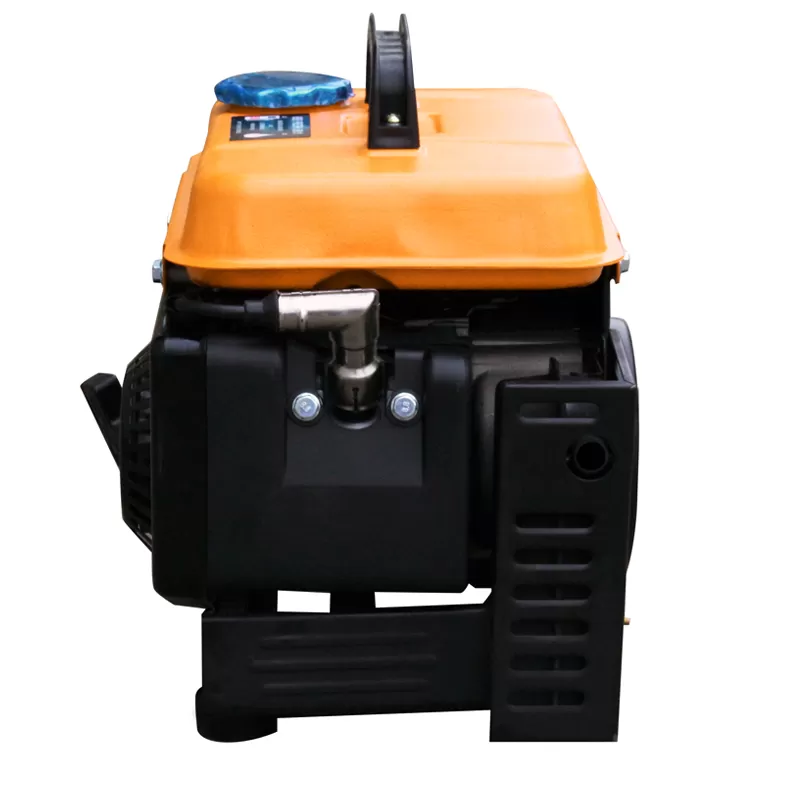
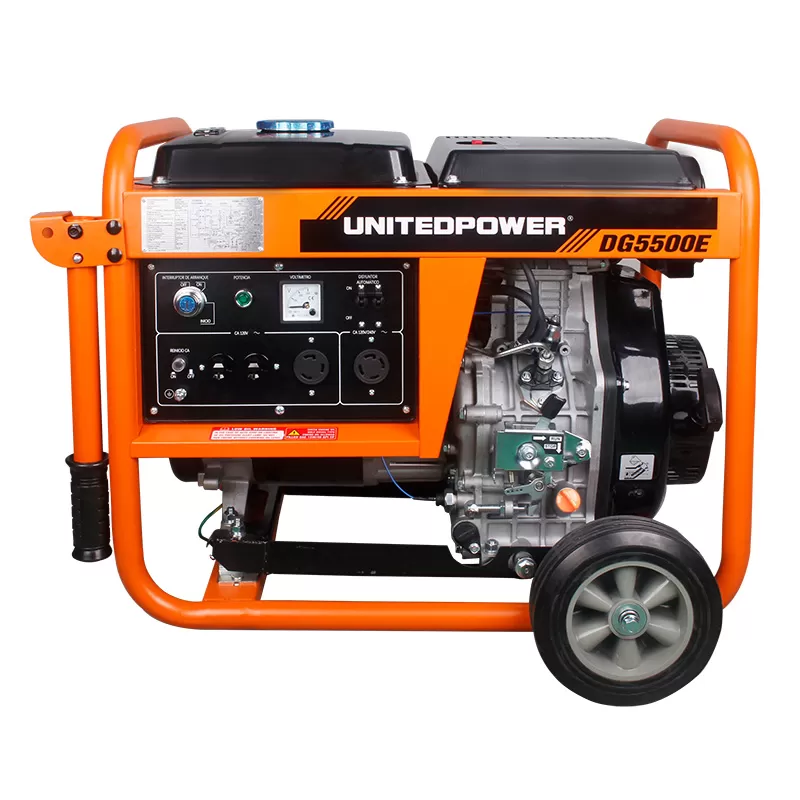
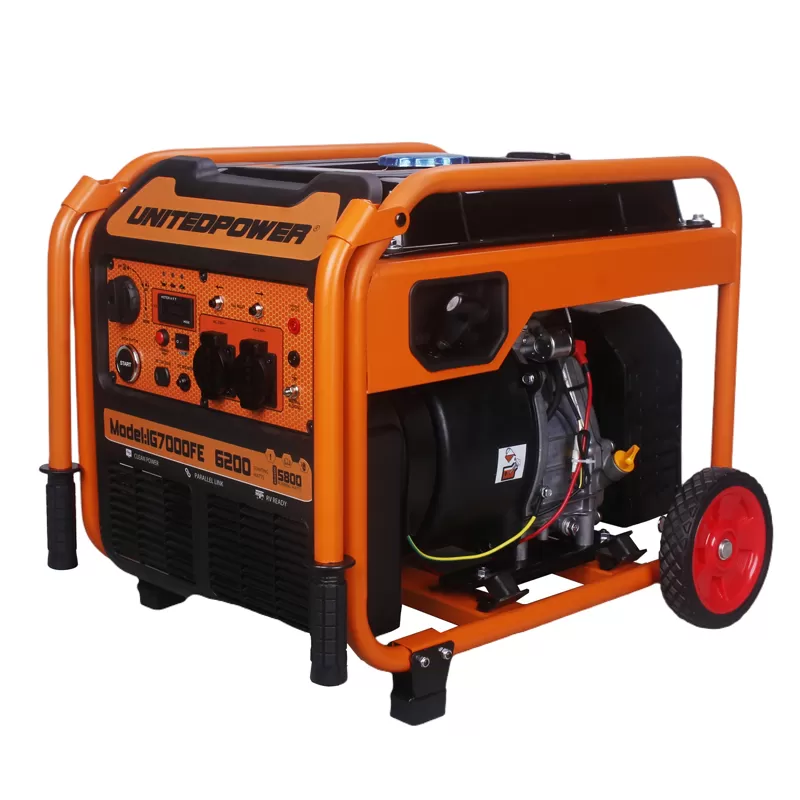
Operating a 240v welder on-site, away from utility grid access, introduces specific challenges. Portable power generation systems must be carefully matched to the electrical demands of the welding machine to prevent component failure, arc instability, or generator damage. Manufacturers of power equipment, such as United Power, focus on designing generation systems capable of handling the highly dynamic and demanding loads imposed by modern welding equipment.
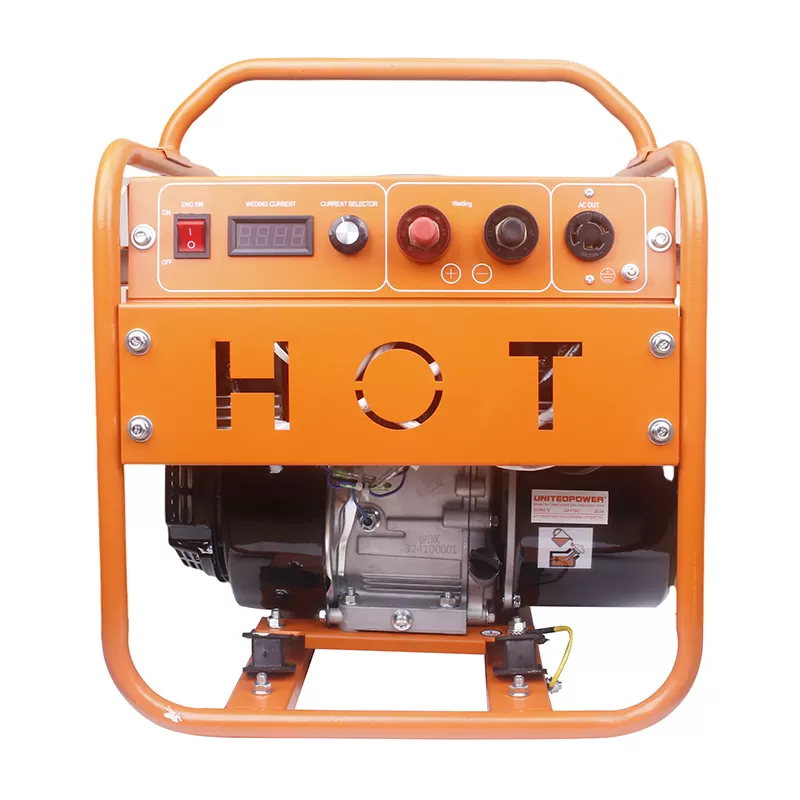
Understanding the Power Dynamics of a 240v Welder
A 240v welder operates by transforming high-voltage, low-amperage input power into low-voltage, high-amperage output power suitable for melting metal. The physics of this transformation dictate why 240-volt circuits are preferred for heavy-duty tasks.
Voltage Drop and Current Draw
When operating on a standard 120V circuit, a welder is limited by the amperage capacity of typical branch circuits, usually 15 or 20 amps. This limits the maximum power output to approximately 1,800 to 2,400 watts. If a operator attempts to weld thicker materials, the machine will draw maximum current, often leading to tripped circuit breakers or severe voltage drop along the supply lines.
By doubling the input voltage to 240V, the same power output can be achieved with half the input amperage. Alternatively, with a typical 30-amp or 50-amp 240V circuit, the welder can access between 7,200 and 12,000 watts of power. This increased wattage allows the machine to run hotter, penetrate deeper into thick steel plate, and maintain a stable arc without overloading the supply infrastructure.
Duty Cycle and Thermal Limits
The duty cycle of a welding machine is the percentage of a ten-minute period that the machine can operate at a given output current before overheating. For example, a welder rated at a 60% duty cycle at 200 amps can weld continuously for six minutes, but must then idle with the cooling fan running for four minutes.
Low-Voltage Constraints: 120V welding machines typically exhibit low duty cycles (often 20% or less) when pushed to their upper limits, as the internal components generate significant resistive heat trying to draw high current from a lower-voltage source.
240V Efficiencies: A 240v welder operates much more efficiently. Because resistive heating in electrical conductors is proportional to the square of the current (I²R losses), halving the current by doubling the voltage reduces internal heat generation within the welder's transformers or inverter boards. This allows for significantly longer duty cycles, often reaching 60% to 100% in professional-grade machinery.
Evaluating Welder Architectures: Inverter vs. Transformer
The internal design of a 240v welder dictates how it reacts to incoming power and how it behaves when connected to portable generator units.
Transformer-Based Welders
Traditional welding machines rely on heavy copper or aluminum step-down transformers to lower voltage and increase amperage. These machines are highly robust, simple in design, and largely immune to minor power fluctuations. They draw a relatively clean sinusoidal current from the source. However, they are heavy, less energy-efficient, and have a lower power factor, meaning they draw more volt-amperes (VA) than the actual wattage they consume. When powering a transformer-based machine with a generator, the generator must be oversized to handle the high inductive load and the significant inrush current required when the arc is struck.
Inverter-Based Welders
Modern inverter welders use solid-state electronics to convert incoming 50/60 Hz AC power to DC, rectify it, switch it at high frequencies (often up to 100 kHz) via Insulated Gate Bipolar Transistors (IGBTs), and then step it down through a much smaller transformer. This process results in a highly compact, lightweight machine with precise arc control.
Inverter systems are highly sensitive to the quality of the incoming power supply. Because they rely on sensitive microprocessors and semiconductor switching devices, fluctuations in input voltage or high harmonic distortion from a generator can lead to control board failure. This necessitates the use of high-quality power generation equipment designed to deliver stable voltage and clean waveforms.
Generator Selection Criteria for Field Welding Operations
When utility power is unavailable, matching a 240v welder with the correct generator requires careful analysis of electrical specifications. An undersized or poor-quality generator can damage both the welder's inverter circuitry and the generator's alternator.
Total Harmonic Distortion (THD) and Power Quality
Total Harmonic Distortion is a measurement of how closely the AC voltage waveform matches a pure sine wave. Utility power is typically very clean, with less than 3% THD. Conventional portable generators, however, often produce power with a THD of 15% to 30% under load. This occurs because the non-linear load of an inverter welder distorts the voltage waveform of the generator.
For modern inverter-based 240V welding equipment, high THD can cause erratic arc behavior, overheating of internal capacitors, and catastrophic control board failures. It is advisable to use generators that produce "clean power" with a THD of less than 5%. Inverter generators or high-end industrial generators equipped with sophisticated Automatic Voltage Regulators (AVR) are designed to maintain this level of wave purity under varying loads.
Sizing the Generator: Calculating Wattage Requirements
To determine the minimum generator size required to power a 240v welder, one must look at the welder's input requirements, specifically the maximum rated input current (often designated as I1max on the machine's specification plate) and the rated input voltage.
The basic formula for apparent power is:
Apparent Power (VA) = Input Voltage (V) × Input Current (A)
For example, if a 240v welder has an I1max of 30 Amps:
240V × 30A = 7,200 VA (or 7.2 kVA)
Because generators are rated in both continuous (running) watts and surge (starting) watts, and because welding involves instantaneous transitions from open-circuit voltage (no load) to short-circuit conditions (arc striking), a safety margin is required. Industry best practices recommend adding a 20% to 30% buffer to the calculated kVA requirement to handle these transient surges. In the example above, a generator capable of delivering at least 9,000 surge watts and 7,500 continuous watts would be required to ensure stable operation.
To support these field requirements, United Power manufactures commercial-grade generators designed to withstand the sudden load spikes associated with welding applications. These systems feature heavy-duty alternators and robust voltage regulation circuits to ensure the generator can respond to the dynamic current demands of a 240v welder without stalling or dropping voltage.
Addressing Typical Operational Challenges in the Field
In industrial field operations, several factors can compromise the efficiency and reliability of 240V welding setups. Recognizing these factors allows operators to mitigate issues before they lead to downtime.
Voltage Drop Over Long Cable Runs
In field applications, the welder is often positioned far from the generator or power source. Running long extension cords introduces electrical resistance, which causes a voltage drop at the welder's input terminal. A voltage drop exceeding 5% can result in poor arc starting, reduced penetration, and increased heat buildup within the welder's input bridge rectifier.
To minimize voltage drop over distance, operators must use heavy-gauge conductors. The table below outlines recommended copper conductor sizes (AWG) for a 240v welder drawing up to 30 Amps at various cable lengths:
| Cable Length (Feet) | Minimum Wire Gauge (AWG) | Expected Voltage Drop (%) |
|---|---|---|
| 0 - 50 | 10 AWG | Under 1.5% |
| 50 - 100 | 8 AWG | Approx. 2.0% |
| 100 - 150 | 6 AWG | Approx. 2.5% |
| 150 - 200 | 4 AWG | Under 3.0% |
Using undersized cords not only jeopardizes the welding machine but also places additional thermal stress on the generator's winding insulation, potentially leading to premature generator failure.
Thermal De-rating in Harsh Environments
Welding equipment and generators are often deployed in environments with elevated ambient temperatures, high humidity, or high altitudes. Both engines and electrical alternators undergo thermal de-rating under these conditions.
For every 1,000 feet of elevation above sea level, an internal combustion engine driving a generator typically loses about 3.5% of its power output due to lower oxygen density. Similarly, ambient temperatures above 40°C (104°F) reduce the cooling efficiency of the generator's windings and the welder's heat sinks. Operators must account for these environmental factors by derating their equipment's capacity or using larger capacity power sources to compensate for the reduced efficiency.
Technological Advances in Power Supply Compatibility
Modern industrial equipment manufacturers have made significant strides in improving the compatibility between welding units and portable power sources.
Active Power Factor Correction (PFC)
Many high-end inverter welders now incorporate Active Power Factor Correction. PFC circuits shape the input current waveform to match the input voltage waveform, bringing the power factor close to 0.99 (unity).
This technology offers substantial benefits:
Reduced Current Draw: A welder with PFC can draw up to 30% less current from the supply while delivering the same output welding power.
Wide Input Voltage Range: PFC circuits often allow the welder to operate on any input voltage from 100V to 250V automatically, smoothing out voltage drops and surges without interrupting the arc.
Better Generator Compatibility: Because the current draw is clean and sinusoidal, it minimizes harmonic distortion, making the welder much friendlier to generator power plants.
Brushless Alternator Designs and Digital AVR
On the generator side, manufacturers have improved alternator designs. Brushless alternators reduce maintenance requirements and eliminate the risk of sparking in hazardous environments. Furthermore, digital Automatic Voltage Regulators (dAVR) have replaced older analog systems. These digital microprocessors monitor the output voltage waveform and adjust the exciter field current within milliseconds, preventing the voltage sags and surges that occur when a welder initiates or extinguishes an arc.
.webp?t=1782812560834 "IW160T")
Procurement Considerations for B2B Buyers
For procurement managers and fleet operators, selecting the correct combination of welding equipment and power generation assets is a balance of performance, durability, and total cost of ownership. When equipping service trucks or remote fabrication facilities, it is beneficial to work with manufacturers who understand the interplay between the power source and the welding load.
Standardizing on heavy-duty, clean-power generators ensures that any 240v welder in the fleet—regardless of its internal electronics—can be powered safely without risking equipment damage. United Power continues to develop and supply robust generator solutions designed to meet these exacting industrial standards, providing steady, reliable power to support demanding industrial welding applications.
Frequently Asked Questions
Q1: Can I run a 240v welder on a standard residential 240V dryer or stove outlet?
A1: Yes, provided the outlet's circuit breaker and wiring match the welder's input amperage requirements. Dryer outlets are typically rated for 30 amps, while stove outlets are rated for 50 amps. You must verify that your welder's maximum current draw (I1max) does not exceed the circuit breaker rating of the outlet, and that appropriate adapters or plugs are installed by qualified personnel according to local electrical codes.
Q2: Why does my generator stall when I strike an arc with my 240v welder, even though the generator's wattage rating is higher than the welder's rated power?
A2: This occurs due to the rapid transient load step when the arc is struck. At that instant, the welder acts almost as a direct short circuit, causing a massive current spike. If the generator's engine governor or automatic voltage regulator cannot respond quickly enough, the engine will bog down and stall. To prevent this, use a generator with a larger displacement engine, a heavy flywheel, or advanced digital voltage regulation that can buffer these sudden load transitions.
Q3: What is the difference between single-phase and three-phase 240V power for welding?
A3: Single-phase 240V power uses two hot wires to deliver a single alternating current wave, which is typical for residential and light commercial settings. Three-phase power uses three hot wires to deliver three overlapping current waves, providing a constant flow of energy. Three-phase welders are highly efficient and produce a smoother arc, but they require specialized industrial utility service or heavy three-phase industrial generators. Most portable 240v welders are designed for single-phase operation.
Q4: How does high Total Harmonic Distortion (THD) affect inverter-based welders?
A4: Inverter welders rely on clean sinusoidal AC input to convert it into stable DC power. High THD means the incoming voltage waveform is distorted with high-frequency noise. This noise can cause the inverter's internal switching transistors (IGBTs) to switch at incorrect times, leading to overheating, poor arc control, or complete electrical breakdown of the main control circuit boards.
Q5: Can I use an extension cord with my 240v welder, and how does it impact performance?
A5: Yes, you can use extension cords, but they must be rated for the welder's voltage and amperage draw. If the cord is too long or the wire gauge is too thin, resistance will cause a voltage drop. This drop reduces the power available at the electrode, leads to poor penetration, causes the welder to draw more current to compensate, and increases the thermal load on both the welder and the supply circuit.
B2B Inquiry and Consultation
Selecting the appropriate power infrastructure to support a fleet of 240v welders requires technical alignment between the electrical load and the generation source. To assist your engineering and procurement teams in specifying the correct generator configurations for your specific field applications, United Power offers comprehensive application engineering support. For inquiries regarding custom power solutions, bulk fleet procurement, or technical compatibility evaluations, please contact our industrial sales division to speak with a power systems engineer.