1400W Pressure Washers: Engineering, Performance, and B2B Application Analysis
In the global cleaning equipment industry, selecting the correct power-to-performance ratio is a key decision for commercial buyers, distributors, and original equipment manufacturers (OEMs). Among the various options available, the medium-duty electric segment represents a highly versatile category. Specifically, the 1400w pressure washer serves as a reliable solution for light commercial, agricultural, and domestic maintenance tasks. This power class balances electrical efficiency, physical portability, and sufficient cleaning force, making it a staple product for importers worldwide.
For distributors looking to optimize their product portfolios, partnering with a proven manufacturer like United Power ensures access to reliable equipment designed for international markets. Understanding the underlying engineering characteristics, performance variables, and structural variations of these systems allows sourcing professionals to make informed purchasing decisions that satisfy both performance requirements and quality standards.
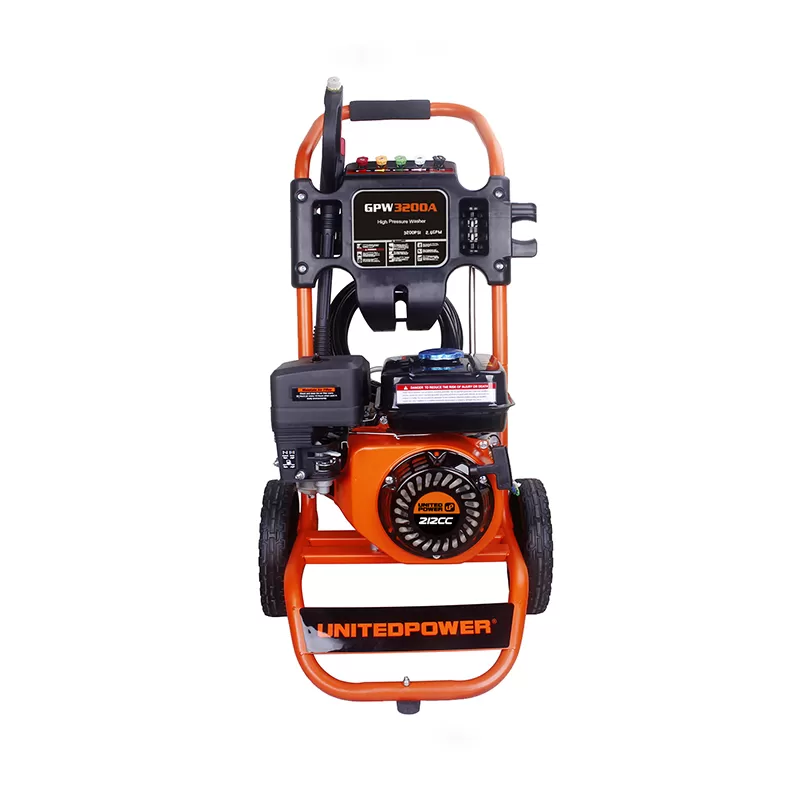
1. Motor and Pump Engineering in 1400W Systems
The core of any high-pressure cleaning machine lies in its power transmission system, which converts electrical energy into hydraulic pressure. In a 1400w pressure washer, this conversion is governed by the relationship between the electric motor and the high-pressure pump.
Motor Variations: Universal vs. Induction
Manufacturers generally employ one of two motor designs within the 1400W power bracket:
Universal Motors: These lightweight, brush-driven motors provide high torque-to-weight ratios. They are ideal for portable, compact cleaning units where maneuverability is a priority. While they operate at higher rotational speeds (often exceeding 15,000 RPM), they represent a highly cost-effective option for light-duty commercial applications and retail lines.
Induction Motors: Characterized by their brushless design, induction motors operate at lower speeds (typically around 2,800 to 3,400 RPM), resulting in significantly less wear and quieter operation. Though heavier and requiring a higher initial investment, induction-driven units offer prolonged service life and are preferred for demanding environments where duty cycles are extended.
Pump Architecture and Fluid Dynamics
The high-pressure pump translates the motor’s rotational force into fluid movement. In 1400W systems, the axial wobble-plate pump is the dominant design. This configuration features three reciprocating pistons driven by a rotating angled plate (the wobble plate).
To ensure prolonged operation, quality manufacturers utilize specific materials for pump components:
Pump Head Material: While entry-level models use reinforced composite materials, professional-grade 1400W units feature aluminum or brass pump heads. Aluminum offers excellent resistance to corrosion and thermal buildup, ensuring the pump maintains structural integrity under pressure.
Piston Composition: Hardened stainless steel plungers are standard, minimizing frictional wear and preventing corrosion caused by hard water or chemical additives.
Bypass (Unloader) Valves: A crucial safety mechanism, the unloader valve diverts water flow back to the inlet side when the spray gun trigger is released. This prevents catastrophic pressure spikes within the pump housing.
The Physics of Cleaning Power: Flow Rate vs. Pressure
The performance of a 1400w pressure washer is determined by two main factors: working pressure (measured in bar or PSI) and water flow rate (measured in liters per minute or GPM). At a constant power input of 1400 Watts, these two variables exist in an inverse relationship, governed by the hydraulic power formula:
Hydraulic Power (Watts) = [Pressure (Pa) × Flow Rate (m³/s)] / Efficiency
A standard 1400W unit is typically engineered to operate within the following parameters:
Working Pressure: 80 to 110 bar (approximately 1160 to 1600 PSI). This provides sufficient kinetic energy to break the molecular bonds of common dirt, grime, and light grease.
Flow Rate: 5.5 to 6.5 liters per minute (1.46 to 1.72 GPM). This volume of water is sufficient to rinse away dislodged debris without excessive water consumption.
2. Key Operational Scenarios and Market Segments
Understanding where a 1400W cleaning system fits in the market helps distributors position the product effectively for their target clients.
Historically, high-pressure cleaning equipment was divided into low-power residential units and high-power industrial machines. The modern 1400W system sits comfortably in the middle, serving as a versatile tool across several sectors:
Light Commercial and Property Maintenance
For facility managers, small-scale contractors, and property maintenance teams, heavier commercial machines are often too bulky and require specialized electrical hookups. A 1400W system can operate on standard domestic power grids (220-240V / 50Hz or 110-120V / 60Hz) without tripping circuit breakers. Common tasks include:
Cleaning exterior pathways, brickwork, and walkways.
Washing commercial vehicles, delivery vans, and light agricultural machinery.
Removing mold, mildew, and biological growth from outdoor structures and fencing.
Automotive Detailing and Fleet Care
In the vehicle valeting sector, excessive water pressure can damage automotive paintwork, decals, and delicate engine electronics. A 1400W unit provides the appropriate pressure range for vehicle cleaning. When paired with professional accessories like foam cannons, dual-mode nozzles, and soft-bristle brushes, these machines offer a safe and efficient wash cycle.
Agricultural and Smallholding Sanitation
Small farms, greenhouses, and veterinary clinics require regular sanitation to prevent disease outbreaks. The portability of a compact 1400W machine allows operators to move it easily between animal enclosures, pens, and storage sheds, ensuring thorough sanitation of feed troughs, walls, and hard surfaces.
3. Addressing B2B Procurement and Sourcing Challenges
B2B buyers, importers, and brand owners face distinct challenges when sourcing pressure washers from overseas suppliers. Managing these factors is vital to protecting profit margins and brand reputation.
Product Longevity and Warranty Mitigation
The primary concern for importers of electric cleaning appliances is the warranty claim rate. Early component failure, often caused by motor overheating or pump seal breakdown, can quickly erode profit margins. To mitigate these risks, professional manufacturers integrate several protective systems:
Total Stop System (TSS): This mechanism automatically shuts off the motor when the spray trigger is released, reducing wear on the motor-pump assembly, conserving electricity, and extending the operational lifespan of the unit.
Thermal Overload Protection: Built-in thermal sensors disconnect power to the motor if temperatures exceed operational limits, protecting the windings from burning out.
When sourcing from reputable suppliers like United Power, buyers receive equipment manufactured under strict ISO 9001 quality management systems, which significantly lowers defect rates in the field.
Regulatory Compliance and Certification
Importing electrical machinery into major global markets requires strict compliance with regional safety, environmental, and electromagnetism standards. Buyers must verify that their chosen 1400w pressure washer possesses the necessary certifications for their target regions:
Europe (EEA): CE, GS (Geprüfte Sicherheit), RoHS (Restriction of Hazardous Substances), and EMCD (Electromagnetic Compatibility Directive).
North America: ETL or UL listing, ensuring compliance with ANSI/UL safety standards.
Global Markets: CB scheme compliance for smooth entry into various Asian, South American, and Middle Eastern jurisdictions.
OEM and Customization Flexibility
In competitive retail and commercial markets, brand differentiation is a powerful tool. B2B buyers often require custom modifications, including custom color schemes, private labeling, specific hose lengths, specialized high-pressure spray gun designs, and custom-designed packaging suitable for e-commerce distribution. A manufacturing partner capable of providing robust OEM and ODM services is highly valuable for long-term growth.
4. Quality Assessment Criteria for Importers and Distributors
Before confirming a bulk order of pressure washers, quality assurance engineers should evaluate key mechanical and material characteristics of the sample units. The table below outlines the primary check-points during the inspection process.
| Component/Feature | Standard Specification (Retail-Grade) | Premium Specification (B2B Commercial-Grade) | Quality Impact |
|---|---|---|---|
| Pump Head Material | Glass-reinforced plastic (Composite) | High-tensile aluminum alloy or brass | Improves thermal dissipation, pressure tolerance, and crack resistance. |
| Motor Windings | Copper-clad aluminum (CCA) | 100% pure copper wire | Reduces electrical resistance, minimizes heat buildup, and extends motor life. |
| Pressure Hose | PVC plastic hose | Steel-braided, rubber-jacketed hose | Prevents kinking, resists abrasion, and handles pressure spikes safely. |
| Ingress Protection | IPX4 (Splash-proof) | IPX5 (Water-jet proof) | Ensures electrical safety in wet working environments. |
| Quick Connects | M22 plastic screw connectors | Brass or stainless steel quick-connects | Prevents thread stripping and water leaks during frequent accessory changes. |
5. Optimization of Logistics, Supply Chain, and After-Sales Support
The efficiency of a B2B transaction extends beyond the product itself to encompass logistics, shipping efficiency, and aftermarket support.
Container Load Optimization
For high-volume importers, shipping costs are a major factor in unit landed costs. A compact 1400w pressure washer should feature a space-efficient packaging design. Foldable handles, detachable accessory holders, and nested component packing allow for higher quantity loading per 40ft HQ container, lowering the freight cost per unit.
Spare Parts Strategy and After-Sales Support
No machine is immune to wear, especially when subjected to varying water quality and usage patterns. A reliable B2B relationship relies on a steady supply of wearable parts, such as:
O-ring replacement kits for hoses and spray lances.
Replacement carbon brushes (for universal motor variants).
Water inlet filters (to prevent grit from entering and damaging the pump).
Bypass valves and microswitches for the Total Stop System.
Manufacturers who offer structured spare parts programs help distributors run efficient local repair networks, which protects end-user satisfaction and strengthens brand reputation.
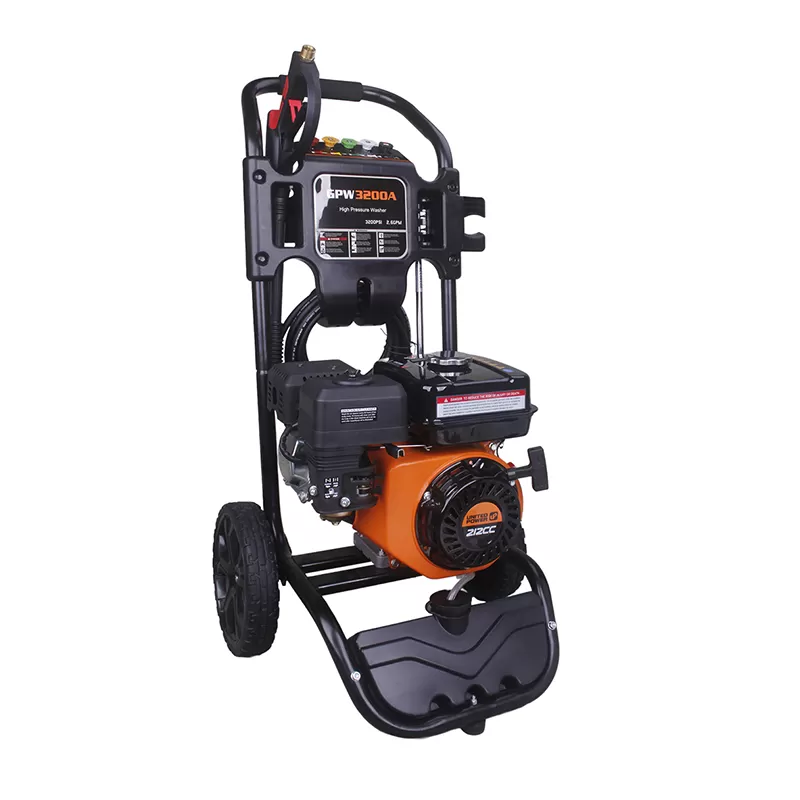
6. Strategic Partnership with United Power
Selecting a reliable production partner is the most important step in building a successful product line. As a specialized manufacturer of high-pressure cleaning equipment and outdoor power machinery, United Power delivers reliable manufacturing solutions for international buyers. Focusing on precision engineering, certified quality control, and customer-focused OEM customization, the company provides high-performance products tailored to the needs of the modern market.
Our line of pressure washers is built to endure demanding environments, providing global distributors with a strong, market-ready product line. By choosing a qualified manufacturing partner, you can ensure consistent product quality, clear communication, and reliable supply chain management.
If you are looking to expand your inventory with a dependable 1400w pressure washer or require a customized OEM manufacturing solution, please contact our commercial sales team today to discuss your technical specifications, request physical samples, and receive a detailed wholesale quotation.
Frequently Asked Questions
Q1: What are the primary structural differences between a universal motor and an induction motor in a 1400W pressure washer?
A1: A universal motor uses carbon brushes to transfer electrical current to the rotating armature. These motors are lighter, more compact, and operate at high speeds, which helps keep the overall weight of the unit low. An induction motor is brushless and uses magnetic induction to spin the rotor. It operates at lower rotational speeds, runs quieter, generates less heat, and lasts significantly longer, making it the preferred choice for commercial and continuous-duty applications.
Q2: Why is the pump head material important, and should I choose aluminum over plastic?
A2: The pump head is subjected to continuous pressure cycles and friction-induced heat. Plastic or composite pump heads are cost-effective but can crack under thermal stress or pressure spikes. Aluminum pump heads offer superior heat dissipation, better structural stability, and greater resistance to internal wear, ensuring a longer operational lifespan for the entire machine.
Q3: How does the Total Stop System (TSS) benefit commercial distributors and end-users?
A3: The Total Stop System (TSS) is an automated sensor mechanism that shuts down the motor when the spray gun trigger is released. This stops the pump from running in bypass mode, which otherwise generates friction heat and accelerates seal wear. For the end-user, it extends pump life and saves electricity. For distributors, it significantly reduces the rate of warranty claims and returns caused by overheated pumps.
Q4: Can a 1400W pressure washer draw water directly from a standing source, such as a water butt or tank?
A4: Yes, many high-quality units are equipped with a self-priming pump. This design allows the machine to draw water from a static container rather than relying solely on pressurized tap water. However, to protect the internal components, it is crucial to use a high-efficiency water inlet filter to prevent dirt, sand, and algae from entering the pump chamber.
Q5: What are the standard electrical certification requirements for importing these units into the European Union?
A5: To legally import and sell electrical pressure washers in the European Union, the units must bear the CE mark, which certifies compliance with several directives, including the Low Voltage Directive (LVD), the Electromagnetic Compatibility (EMC) Directive, the Machinery Directive, and the RoHS Directive. Additionally, the GS (Geprüfte Sicherheit) mark is highly recommended to build customer trust and demonstrate third-party safety certification.
![10 kVA Single Phase Generator Price Guide: Costs, Sizing & Best Picks [2026]](https://www.unitedpower.cn/storage/group_1773856485320/202604/DG9000E (5).webp "10 kVA Single Phase Generator Price Guide: Costs, Sizing & Best Picks [2026]")
.webp "Top 5 Factors to Consider When Specifying a Generator Motor 220V for Heavy Equipment")