10000 W Propane Generator: Industrial Sizing, Specs & Integration Guide
Operating critical equipment during grid disruptions or across remote worksites requires steady electrical distribution and reliable mechanical performance. The 10000 w propane generator occupies a specific and pragmatic footprint within industrial and commercial power generation portfolios. Bridging the gap between lightweight mobile units and large stationary diesel gensets, a ten-kilowatt platform delivers sufficient output to sustain heavy inductive loads, multi-circuit control centers, and essential facility operations. Propane, chemically designated as Liquefied Petroleum Gas (LPG), presents distinct combustion, storage, and emissions dynamics that influence generator design, alternator construction, and overall operating expenditures.
Procuring commercial-grade generation equipment involves calculating steady-state electrical draw, quantifying transient starting currents, and understanding fuel vaporization rates. Evaluating a 10000 w propane generator requires examining the mechanical engine assembly, alternator efficiency, fuel delivery dynamics, and downstream switchgear integration. Industrial buyers, facility engineers, and electrical contractors must look beyond gross output labels to comprehend the physical limits and operational advantages inherent to liquid petroleum gas power conversion.
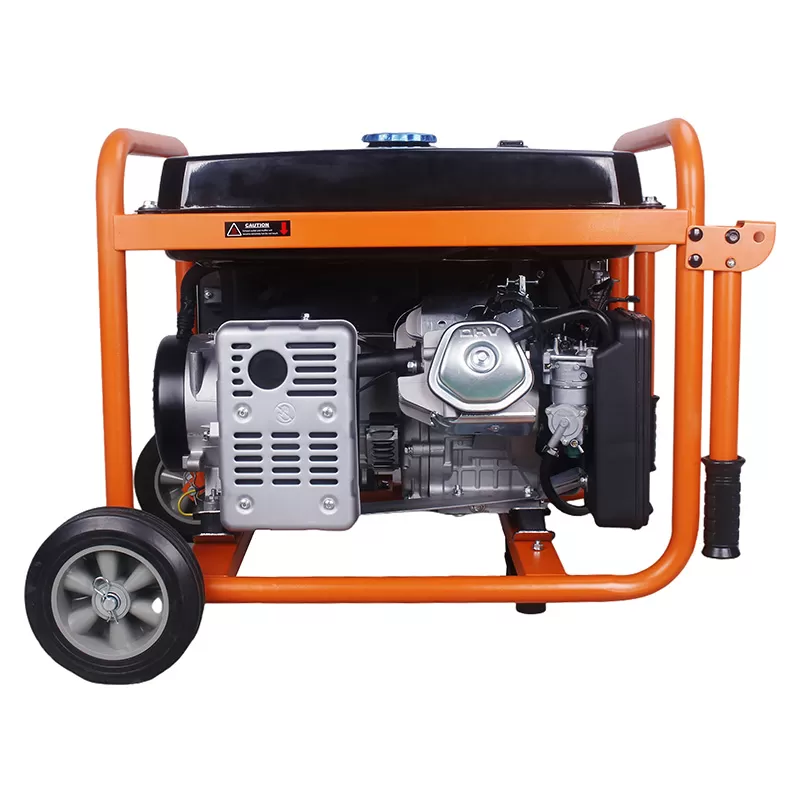
Combustion Dynamics and Engine Displacement Parameters
Propane functions under different physical parameters than traditional motor gasoline. Liquid propane contains approximately 91,500 British Thermal Units (BTU) per gallon, compared to roughly 114,000 BTU per gallon for unleaded fuel. This difference in energy density dictates that an internal combustion engine configured for vaporized LPG must pull a greater volumetric fuel charge to produce equivalent brake horsepower (BHP). For an alternator to yield a stable, continuous output of ten kilowatts on propane vapor, the prime mover typically requires an engine displacement ranging between 459cc and 500cc in a single-cylinder configuration, or upwards of 670cc to 750cc in a V-twin commercial block.
Commercial-grade engines designed for extended duty cycles feature cast-iron cylinder liners, forged crankshafts, and overhead valve (OHV) or overhead camshaft (OHC) configurations. Because propane burns hotter and drier than liquid fuels, lack of natural fuel lubricity accelerates valve seat recession if inferior metallurgy is used. Manufacturers like United Power integrate hardened stellite-faced valves, sintered powder-metal valve seats, and high-temperature alloy guides to maintain seal integrity across thousands of operational hours. These material standards prevent compression loss, stabilize cylinder temperatures, and mitigate early thermal degradation under prolonged continuous load.
Combustion air handling must be precisely matched to vaporized gas delivery. Electronic governor controls or heavy-duty mechanical linkages adjust the throttle butterfly to minimize engine speed droop during sudden block loading. Operating at a standard synchronous speed of 3600 RPM for 2-pole units or 1800 RPM for heavy-duty 4-pole platforms, stable engine speed correlates directly with electrical system frequency (60 Hz in North America, 50 Hz in international architectures). Any fluctuation in combustion stoichiometry or governor lag registers immediately as a frequency deviation downstream.
Alternator Construction, Harmonics, and Power Quality
Generating ten kilowatts of usable electrical power involves complex electromagnetic conversion within the alternator assembly. The continuous real power rating (10 kW) must be supported by an alternator capable of managing apparent power (kVA) across various power factors. Most single-phase industrial equipment operates at a power factor of 1.0 down to 0.8 lagging. When supplying current to nonlinear loads, such as variable frequency drives (VFDs), server equipment, or digitally controlled machinery, electrical noise and wave distortion become engineering liabilities.
The core construction of the alternator determines its thermal threshold and electrical output purity. Heavy-gauge, 100% all-copper windings deliver lower internal resistance and superior heat dissipation compared to copper-clad aluminum alternatives. High-grade magnetic steel laminations within the rotor and stator assemblies minimize eddy current losses, which in turn reduces parasitic heating during near-capacity operation. Class H insulation systems, rated up to 180°C, provide long-term protection against stator breakdown caused by cumulative thermal cycles.
Total Harmonic Distortion (THD): High-end commercial alternators are wound to restrict THD to less than 5%, and often below 3% under linear loads. Excessively high THD creates harmonic heating in electric motors, trips sensitive circuit breakers, and interferes with microchip logic boards in automated industrial controls.
Excitation and Voltage Regulation: Automatic Voltage Regulators (AVR) with digital sensing manage excitation current to the rotor field windings. Rapid feedback loops mitigate voltage dips when large inductive loads engage, containing transient sag to within acceptable tolerances.
Surge / Motor Starting Capacity: The peak or starting capacity of a 10000 w propane generator frequently reaches 12,000 to 12,500 surge watts. This momentary buffer sustains the inrush current demanded by electric motors driving air compressors, hydraulic pumps, or large refrigeration units during across-the-line startup.
Fuel Infrastructure, Vaporization Pressures, and Piping Architecture
A frequent failure mode for a 10000 w propane generator relates directly to fuel supply architecture rather than electrical fault. Propane is stored as a liquid under pressure within storage vessels and must boil into a vapor before delivery to the engine carburetor or low-pressure fuel mixer. At standard operating capacity, a ten-kilowatt engine consumes approximately 1.5 to 2.2 gallons of liquid propane per hour, depending on thermal efficiency and instantaneous load percentage.
The rate at which a storage tank vaporizes liquid propane depends upon ambient temperature and wetted surface area. A standard 20-pound or 40-pound portable cylinder does not possess adequate surface area to sustain the continuous fuel draw of a 10 kW system, especially in low-temperature environments. Drawing fuel too rapidly causes tank pressures to drop precipitously, freezing the cylinder skin and starving the engine of fuel. Commercial configurations mandate connection to 100-pound cylinders manifolded together, or dedicated 250-gallon to 500-gallon stationary bulk tanks.
Dual-stage pressure regulation is standard practice for permanent and semi-permanent installations:
First-Stage Regulator: Drops bulk tank pressure (which varies between 100 and 200 PSI depending on climate) down to an intermediate delivery pressure, typically 10 PSI.
Second-Stage Regulator: Reduces intermediate pressure down to low delivery pressure, normally calculated between 7 to 11 inches of water column (in. w.c.), measured at the generator inlet valve.
Piping Sizing: Friction loss within supply lines must be computed across the total distance from the storage tank. Running undersized pipe diameters (such as 3/8-inch flexible hose over extended distances) introduces pressure drops that trigger engine stalling when loads exceed 50% capacity.
Commercial and Light-Industrial Application Profiles
The utility profile of a 10000 w propane generator spans several primary operational environments. Because propane does not gum up carburetors, degrade chemically over time, or separate into stratified layers like ethanol-blended gasoline, it serves as the preferred energy source for standby resilience and extended non-operational storage.
Commercial Facility Emergency Continuity
Small medical clinics, cold-storage warehouses, veterinary practices, and logistics dispatch hubs utilize a 10000 w propane generator to protect critical operating infrastructure during regional blackouts. Sized correctly, ten kilowatts sustains facility lighting, emergency egress systems, security protocols, deep-freeze refrigeration compressors, and communications switchboards without necessitating the high infrastructure costs of three-phase diesel generation.
Remote Communications and Industrial Scada Hubs
Cellular base stations, microwave repeater towers, and pipeline SCADA monitoring enclosures often operate in remote geographies lacking natural gas access. Propane delivers stable on-site storage without the risk of fuel spoilage or winter gel-up common to diesel tanks. Integrated through an automatic transfer switch (ATS), the generator monitors utility supply parameters and starts autonomously upon line voltage drop, cycling back into standby mode once main grid power stabilizes.
Municipal, Public Works, and Site Operations
Water lift stations, wastewater aeration pumps, and emergency service garages demand reliable standby reserves. Propane produces lower particulate matter, nitrogen oxides (NOx), and carbon monoxide (CO) emissions relative to uncontrolled diesel exhaust, making it compatible with strict environmental regulations and urban air-quality standards. Contractors operating on remote municipal worksites rely on the platform to drive heavy core drills, metal fabrication welders, and auxiliary jobsite power panels simultaneously.
Procurement Metrics: Sizing and Duty Cycle Considerations
Industrial procurement teams must evaluate the operational boundaries of generation equipment prior to placing fleet orders. The distinction between running (rated) watts and starting (surge) watts governs load profile design. A systematic load audit aggregates continuous running currents alongside peak inrush currents from reactive motor loads.
| Connected Equipment Type | Running Watts | Starting Surge Factor | Required Starting Watts |
|---|---|---|---|
| 3 HP Stationary Air Compressor | 3,000 W | 3.0x | 9,000 W |
| Submersible Well Pump (1.5 HP) | 1,800 W | 2.5x | 4,500 W |
| Industrial Air Filtration / Exhaust | 1,200 W | 1.5x | 1,800 W |
| LED Jobsite Flood Array | 800 W | 1.0x (Resistive) | 800 W |
| Field Office IT / Communications Desk | 1,500 W | 1.1x | 1,650 W |
When engineering a power distribution scheme around a 10000 w propane generator, operating margins dictate that continuous running load should not exceed 80% of rated capacity (8,000 watts) under normal conditions. This operating headroom absorbs unexpected inrush transients without tripping primary thermal breakers or causing sudden voltage dips. Engineers must apply environmental derating metrics: generators lose roughly 3.5% of rated power per 1,000 feet of elevation above sea level and approximately 1% for every 10°F (5.5°C) increase above an ambient benchmark of 77°F (25°C).
Installation, Circuit Isolation, and Electrical Distribution
Integrating a 10 kW generator into building or site wiring mandates strict adherence to local electrical standards, such as the National Electrical Code (NEC) in the United States or equivalent international standards. Connecting generation equipment directly into a main panelboard without electrical isolation creates dangerous backfeed conditions that endanger utility line workers and risk equipment destruction upon utility restoration.
System configuration requires a dedicated transfer mechanism:
Manual Transfer Switches (MTS): Utilized on jobsites and supervised commercial buildings where personnel manually switch circuit inputs between utility and generation sources.
Automatic Transfer Switches (ATS): Essential for unattended locations. The switch interfaces with the two-wire auto-start controller of the generator, managing utility phase loss, cranking cycles, load transfer, line-retransfer, and a subsequent engine cooldown cycle.
Grounding and Neutral Bonding: Sizing decisions must identify whether the installation forms a Separately Derived System (SDS). If the transfer switch switches the neutral conductor, the generator requires a bonded neutral along with an independent grounding rod array. If the neutral conductor is solid through the switch, a floating neutral configuration on the generator frame is mandatory to eliminate ground loops and erratic Ground Fault Circuit Interrupter (GFCI) tripping.
Engineering teams frequently interface with specialized manufacturing partners such as United Power to specify custom terminal junction panels, upgraded enclosure sound attenuation, and pre-wired multi-pin control connectors adapted specifically to proprietary remote monitoring systems.
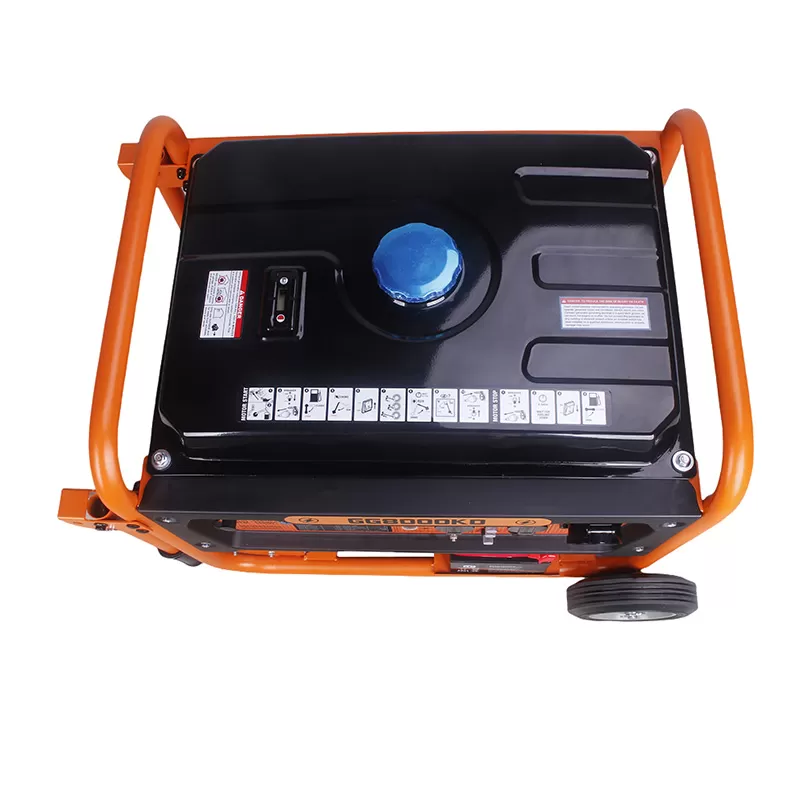
Preventative Maintenance Schedules and Operating Lifespans
The operational longevity of an industrial-grade generator depends on systematic maintenance cadence. While propane produces zero gum, varnish, or liquid deposits within the fuel induction tract, the lubrication oil operates under extreme thermodynamic stress. Heat generated by dry gas combustion accelerates oil viscosity breakdown and oxidation.
A rigorous preventative maintenance program follows strict operating milestones:
Break-in Period (20 to 25 Operating Hours): Drain initial factory oil to clear microscopic manufacturing swarf. Inspect cylinder heads for casting seal and retorque critical engine fasteners.
Routine Oil and Filter Replacement (100 Operating Hours): Use full-synthetic multi-viscosity oils formulated with robust zinc and phosphorus anti-wear packages (ZDDP) to mitigate mechanical friction across pushrods and lifters.
Valve Clearance Calibration (200 to 300 Operating Hours): Measure intake and exhaust valve clearances using feeler gauges against dry-engine specifications. Valve lash tends to tighten over time in propane engines as the valves seat into the cylinder head, risking valve burn if not recalibrated.
Ignition Architecture Service: Inspect and gap spark plugs every 150 hours. Propane air-fuel charges present higher electrical resistance than gasoline mixtures, requiring optimal spark plug gaps and high-output ignition coils to prevent misfires under full load.
By enforcing these scheduled protocols, high-durability power units regularly surpass 3,000 to 5,000 hours of operating service before requiring comprehensive top-end overhauls or stator refurbishment.
Frequently Asked Questions
Q1: What is the primary operational difference between running a
generator on propane versus diesel?
A1: Diesel engines rely on
high-pressure compression ignition and offer superior fuel economy under heavy,
continuous industrial loads. Propane uses spark ignition and provides
indefinitely stable fuel storage without the fuel filtration, biocides, or
cold-weather cloud-point issues associated with diesel systems. Propane also
produces substantially lower soot emissions, making it better suited for
sensitive urban environments and intermittent standby deployment.
Q2: Can a 10000 w propane generator run on standard portable 20 lb
barbecue cylinders?
A2: No. A 20 lb cylinder cannot maintain the
vaporization rate demanded by a 10 kW system. Attempting to run at that load
level will cause the cylinder to freeze over, dropping pressure below the
minimum needed for the engine regulator, resulting in immediate fuel starvation
and shutdown. Multi-tank 100 lb manifolds or dedicated bulk tanks (250+ gallons)
are required.
Q3: How does elevation impact the continuous performance of a propane
generator?
A3: Propane engines lose power at higher altitudes due to
decreased oxygen density in the combustion air. A standard naturally aspirated
engine derates by roughly 3.5% for every 1,000 feet above sea level. Operating a
10 kW generator at an altitude of 5,000 feet yields an approximate maximum
continuous output of roughly 8,250 watts.
Q4: What size fuel piping is required for a 10 kW generator situated
50 feet away from the LP supply tank?
A4: Sizing depends on delivery
pressure. For low-pressure vapor delivery (11 inches water column), a 50-foot
run typically requires a minimum pipe diameter of 3/4-inch to 1-inch to avoid
excessive line friction drop. Running high pressure (10 PSI) from the
first-stage regulator to a second-stage regulator mounted directly adjacent to
the generator allows for smaller 1/2-inch tubing across the run.
Q5: What makes Total Harmonic Distortion (THD) important when sizing
a generator for commercial facilities?
A5: Total Harmonic Distortion
measures how closely the electrical output resembles a true alternating current
sine wave. High THD levels (exceeding 5% to 6%) generate parasitic heat inside
electric motors, trip high-precision digital circuit breakers, and damage
microchips found in modern HVAC controllers, computing infrastructure, and
telecom transmitters.
Technical Inquiries and Industrial Specifications
Specifying appropriate power equipment requires detailed calculations around load variance, fuel piping layouts, and transfer switch mechanics. For comprehensive dimensional data, custom voltage configurations, or industrial volume delivery for your facility projects, contact the engineering applications team at United Power to review technical submittals, electrical schematics, and system design specifications.
![10 kVA Single Phase Generator Price Guide: Costs, Sizing & Best Picks [2026]](https://www.unitedpower.cn/storage/group_1773856485320/202604/DG9000E (5).webp "10 kVA Single Phase Generator Price Guide: Costs, Sizing & Best Picks [2026]")
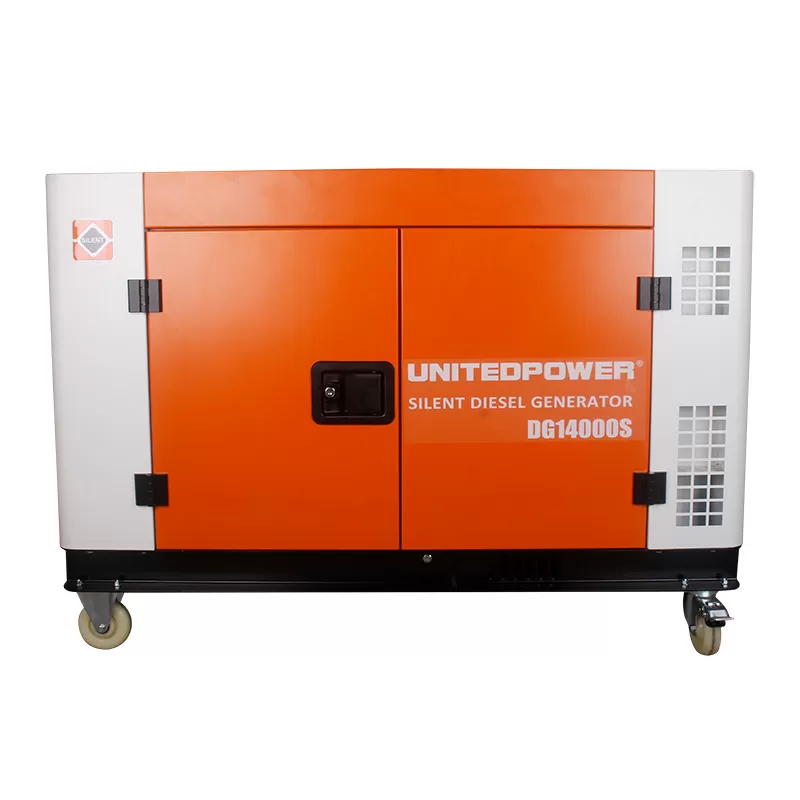
.webp "Top 5 Factors to Consider When Specifying a Generator Motor 220V for Heavy Equipment")