Engineering Standards for Selecting Small Gasoline Motors in Commercial Equipment
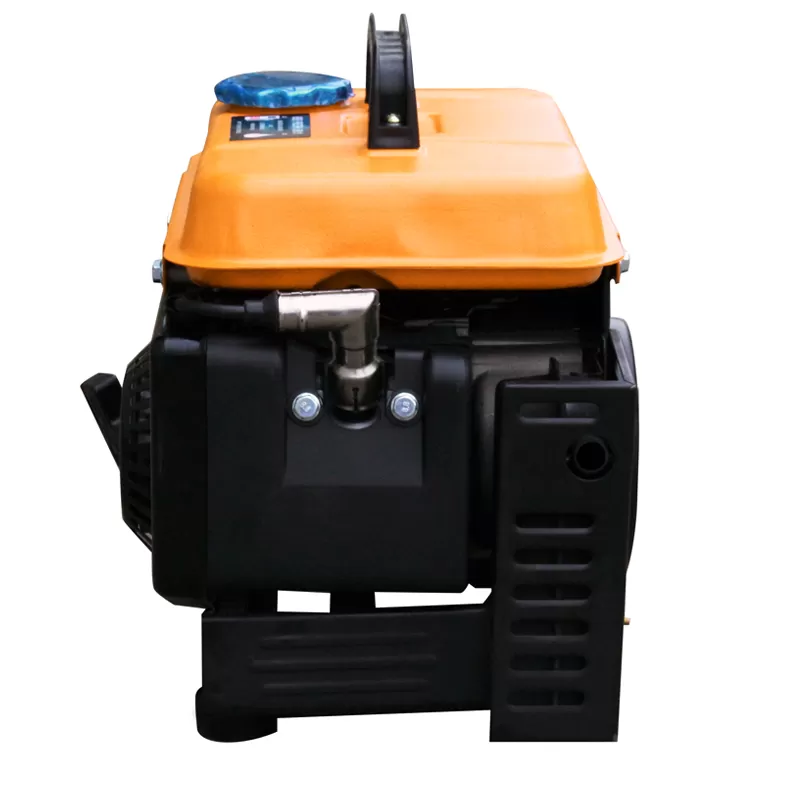
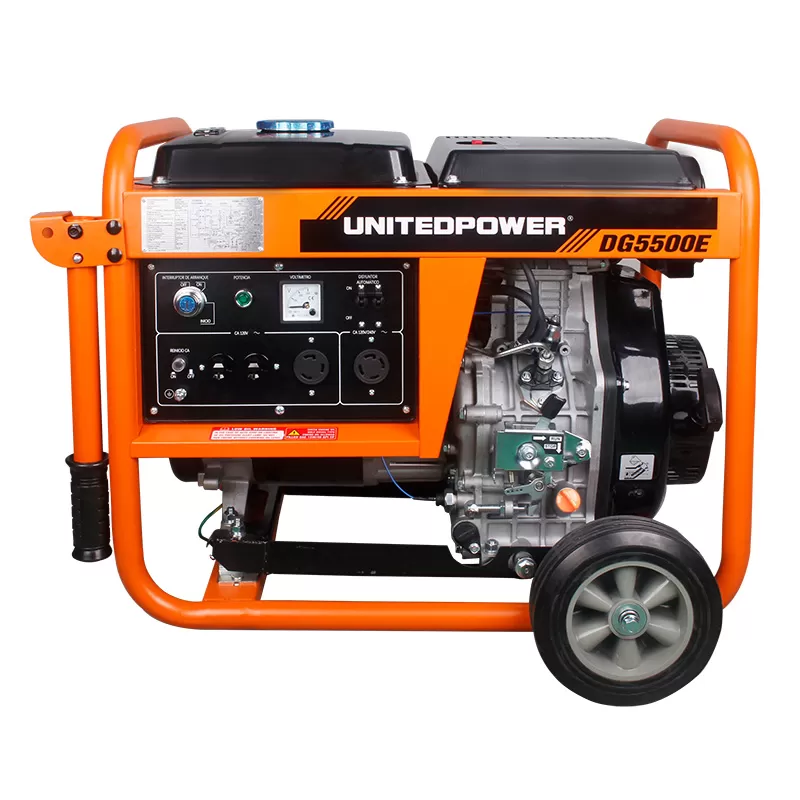
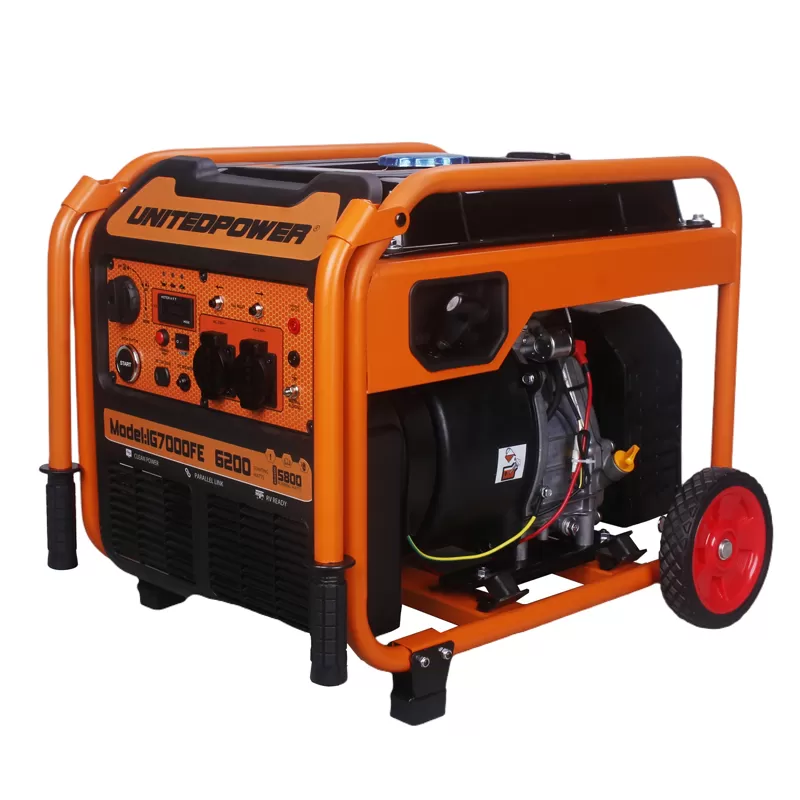
Small internal combustion engines serve as the foundational power source for a vast array of industrial, agricultural, and construction equipment. These power units, categorized widely as small gasoline motors, provide mechanical energy where electrical grid connections are unavailable or impractical. United Power designs and manufactures these powerplants to meet the strict demands of global equipment OEMs and distributors. Understanding the mechanical architecture, application variables, and maintenance demands of these engines ensures long-term operational viability and equipment reliability.
Mechanical Architecture of Small Gasoline Motors
The engineering design of utility engines dictates their performance profile and longevity under continuous load. By examining the individual subsystems of these powerplants, mechanical engineers can select the appropriate engine configuration for their specific driven machinery.
Overhead Valve (OHV) Design vs. Side Valve (SV)
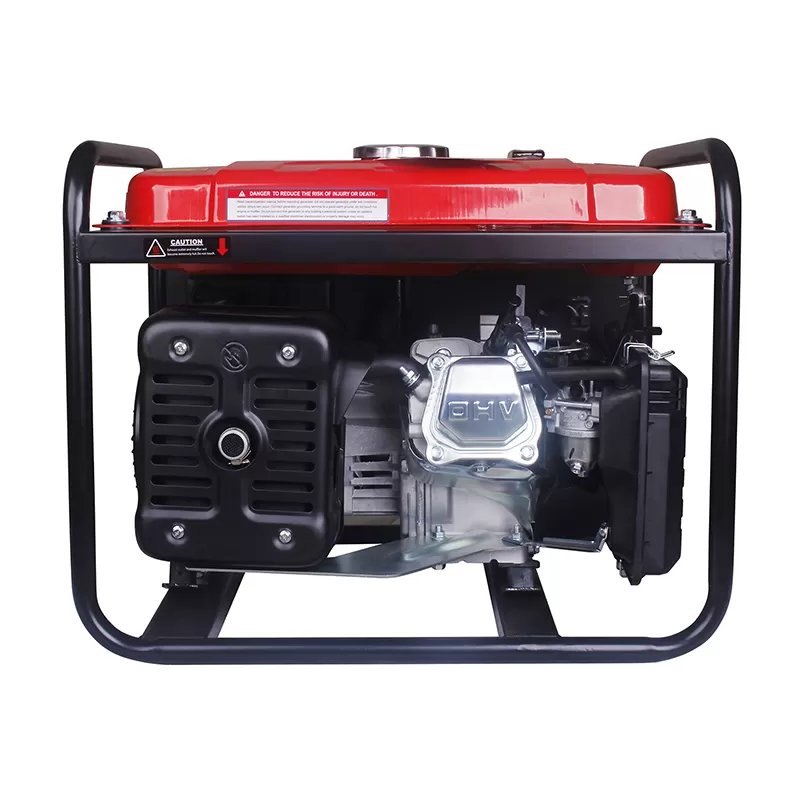
Modern utility engines predominantly utilize an Overhead Valve (OHV) configuration. In an OHV engine, the valves are positioned in the cylinder head above the combustion chamber, rather than in the cylinder block alongside the piston. This arrangement offers several thermodynamic advantages:
Improved Volumetric Efficiency: A straighter intake path allows for a more complete fuel-air charge to enter the combustion chamber, resulting in higher power output per cubic centimeter of displacement.
Enhanced Thermal Efficiency: The compact combustion chamber shape reduces heat loss to the cylinder walls, channeling more energy from combustion into downward piston force.
Lower Fuel Consumption: Optimized flame propagation within the chamber ensures more complete combustion, reducing carbon deposits and lowering operational fuel costs.
Older side valve configurations, while simpler in design with fewer moving parts, fail to meet modern emissions standards and fuel economy demands, making OHV the industry standard for commercial duty cycles.
Displacement and Power Output Dynamics
The displacement of an engine, calculated from the cylinder bore and piston stroke, directly correlates with its torque curve and horsepower potential. Small engines typically range from 50cc to over 450cc for single-cylinder configurations. Bore-to-stroke ratios are carefully balanced during the design phase. A larger bore relative to the stroke allows for larger valves and higher operating RPM, whereas a longer stroke favors high low-end torque. For applications like water pumps and soil compactors, high torque at lower operating speeds is highly beneficial to prevent engine stalling under sudden load increases.
Fuel Delivery and Carburetion Systems
The carburetor remains the primary fuel delivery mechanism for utility engines due to its simplicity and cost-effectiveness. It operates on the venturi principle, drawing fuel from a float bowl and atomizing it into the incoming airstream. To maintain steady operating speeds under changing loads, these engines incorporate a mechanical governor system. Centrifugal flyweights mounted on a gear inside the crankcase detect changes in engine speed. As the load increases and the engine slows down, the governor mechanism automatically opens the throttle valve to deliver more fuel-air mixture, stabilizing the RPM at the designated set point (usually 3600 RPM for standard applications).
Sector-Specific Implementations and Load Profiles
The operational environment dictates the necessary build specifications of small gasoline motors. A mismatch between the engine design and the application environment can lead to accelerated wear and premature component failure.
Construction Machinery and High-Vibration Environments
Equipment such as plate compactors, concrete vibrators, and masonry saws exposes the power unit to severe, high-frequency vibration and high ambient dust levels. To withstand these conditions, engines must feature:
Cast Iron Cylinder Liners: Unlike bare aluminum bores, cast iron sleeves resist wear under dirty conditions and handle the thermal stress of continuous operation.
Dual-Element Air Filtration: A system consisting of a foam pre-filter and a pleated paper main element is necessary to capture fine concrete and silica dust before it enters the combustion chamber.
Reinforced Crankcases: Heavy-duty mounting flanges and high-tensile fasteners prevent structural cracking caused by vibrational resonance.
Agricultural and Landscaping Equipment
Tillers, shredders, and high-pressure sprayers often operate at tilting angles and under variable ambient temperatures. Small gasoline motors used in this sector require robust lubrication systems. While splash lubrication is sufficient for flat-surface operation, engines operating on slopes need specialized oil pathways or low-oil sensor shutdown systems to prevent dry-running of the connecting rod and crankshaft journals.
Portable Power Generation and Water Transfer
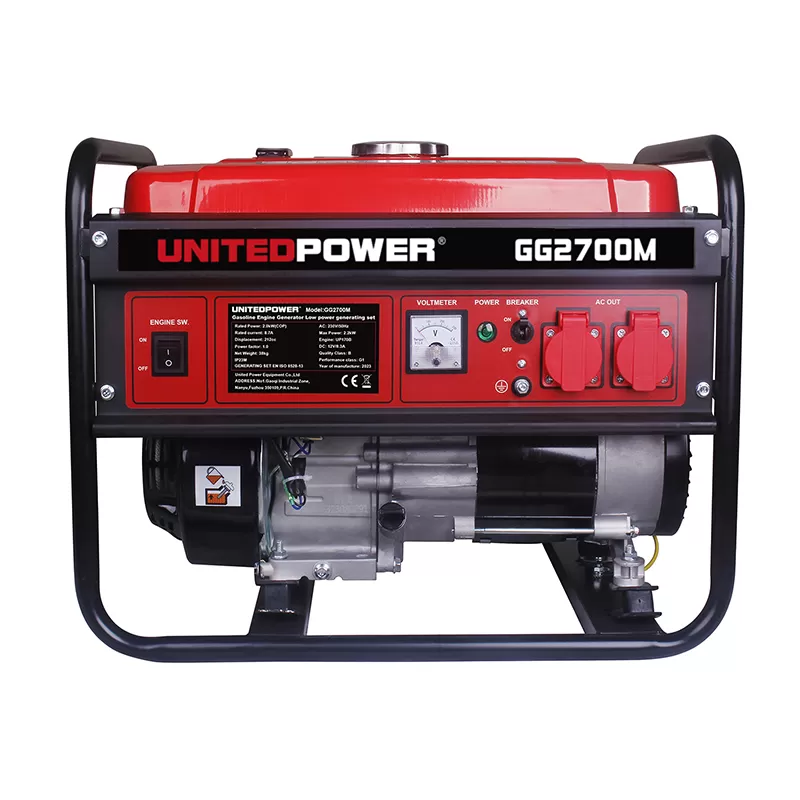
Generators require precise speed regulation to maintain a stable electrical output frequency (typically 50Hz or 60Hz). The engine governor must have a highly responsive droop curve to handle the transient loads of starting electric motors. For water transfer pumps, continuous high-load running demands efficient heat dissipation, making the design of the cooling shroud and flywheel fan a primary consideration.
Operational Challenges and Mitigating Measures
Maintaining the operational readiness of small gasoline motors requires an understanding of common failure modes and the implementation of systematic preventative maintenance.
Thermal Management and Cooling Degradation
Utility engines are primarily air-cooled, relying on high-velocity air forced over cast aluminum cooling fins by the flywheel fan. Dirt, grass clippings, and oil residue can accumulate between these fins, forming an insulating layer. This reduction in heat dissipation causes the cylinder head temperature to rise, which can lead to valve guide distortion, piston ring sticking, and oil thinning. Regular cleaning of the cooling shrouds is a fundamental maintenance task for commercial operators.
Fuel Stability and Carburetor Blockages
The prevalence of ethanol-blended gasoline presents a significant challenge for carbureted engines. Ethanol is highly hygroscopic, meaning it actively absorbs moisture from the surrounding air. When stored for extended periods, the water-ethanol mixture can separate from the gasoline and settle at the bottom of the fuel tank—a process known as phase separation. This mixture is highly corrosive to the aluminum alloy carburetor body and can lead to the formation of gummy deposits that clog the tiny fuel jets, causing hard starting or surging performance. To prevent this issue, commercial fleets should use fuel stabilizers, drain carburetors prior to storage, or utilize ethanol-free fuel where available.
Lubrication Management and Oil Shear
Small engines operate with relatively small oil capacities, often under one liter. Because these engines lack oil filters in standard configurations, the oil must hold combustion byproducts, soot, and wear particles in suspension. Under high operating temperatures, the polymer additives that maintain oil viscosity can shear, reducing the lubricant's ability to maintain a protective film between moving metal parts. Adhering to strict oil change intervals—typically every 50 to 100 operating hours—is necessary to remove contaminants and replenish the oil's shear resistance.
Sourcing Parameters for B2B Procurement and OEM Integration
When selecting a manufacturing partner for small gasoline motors, industrial buyers and OEM design engineers must evaluate several integration parameters to ensure compatibility with their machinery.
Crankshaft Configurations and Mounting Flanges
The interface between the engine and the driven equipment must be exact. Standard crankshaft designs include straight keyed shafts, tapered shafts (for generator rotors), and threaded shafts (for close-coupled water pumps). Additionally, the mounting flange pattern must conform to industry standards (such as SAE parameters) to ensure straightforward bolt-on integration without custom adapters.
Emissions Compliance and Regulatory Alignment
Deploying equipment internationally requires compliance with region-specific exhaust and evaporative emissions standards, such as those set by the US Environmental Protection Agency (EPA), the California Air Resources Board (CARB), and European Stage V regulations. Compliance requires precise calibration of the fuel system, the integration of carbon canisters for evaporative control, and, in some cases, the utilization of catalytic exhaust systems. United Power manufactures compliant engine configurations suitable for diverse global markets, simplifying the regulatory approval process for OEMs.
Total Cost of Ownership (TCO) Analysis
For fleet managers and rental operations, the initial purchase price of an engine is only a fraction of the lifetime cost. A comprehensive TCO evaluation includes fuel consumption rates, the availability and cost of routine maintenance components (such as spark plugs, air filters, and gaskets), and the projected Mean Time Between Failures (MTBF). Specifying engines with heavy-duty components, such as forged steel crankshafts and dual ball-bearing supports, reduces long-term maintenance costs and minimizes equipment downtime.
Frequently Asked Questions
Q1: What are the primary indicators of a clogged carburetor jet in utility engines?
A1: The most common indicators include an engine that will only run with the choke partially or fully closed, engine hunting or surging (fluctuating RPM under constant load), difficult pull-starting, and a complete lack of starting capability despite a strong ignition spark. These symptoms occur because the restricted fuel pathway prevents the correct volume of fuel from mixing with the incoming air, creating a lean fuel condition.
Q2: How does altitude affect the performance of small gasoline motors?
A2: As altitude increases, atmospheric density decreases, resulting in less oxygen entering the combustion chamber. This leads to an excessively rich fuel-air mixture, which causes reduced power output, spark plug fouling, increased fuel consumption, and carbon buildup. To maintain performance at elevations above 1500 meters, operators must install high-altitude carburetor jets to reduce fuel flow and restore the proper stoichiometry.
Q3: What is the recommended engine oil viscosity for commercial operations?
A3: For most moderate temperature environments, a high-quality SAE 10W-30 or SAE 30 four-stroke engine oil is recommended. In environments with high ambient temperatures and continuous high-load duty cycles, a synthetic 5W-30 or 10W-30 oil may be specified to provide better shear stability and resistance to thermal breakdown, ensuring consistent lubrication performance.
Q4: Why do some small engines feature a low-oil shutdown system?
A4: This system utilizes a float switch or electronic sensor inside the crankcase to monitor the oil level. If the lubricant drops below the minimum safe threshold, the sensor grounds the ignition coil circuit, immediately stopping the engine or preventing it from starting. This prevents catastrophic internal damage due to oil starvation, particularly when equipment is operated on uneven terrain where oil may pool away from the splash dipper.
Q5: What are the advantages of cast iron cylinder sleeves over aluminum bores?
A5: Cast iron sleeves provide significantly higher wear resistance against the abrasive action of piston rings, particularly in dusty industrial environments. They also offer superior dimensional stability under high thermal stress, preventing cylinder distortion. This preserves the piston ring seal, maintains compression, and extends the overall operating lifespan of the engine compared to bare aluminum designs.
Engineering Consultations and Bulk Inquiries
Integrating the correct power unit into your machinery is a key step in ensuring equipment reliability and customer satisfaction. United Power works closely with commercial distributors, OEM manufacturers, and procurement managers to provide engine solutions tailored to specific mechanical requirements. For comprehensive technical datasheets, dimensional drawings, bulk pricing structures, and custom crankshaft options, please contact our commercial engineering department to submit your inquiry.