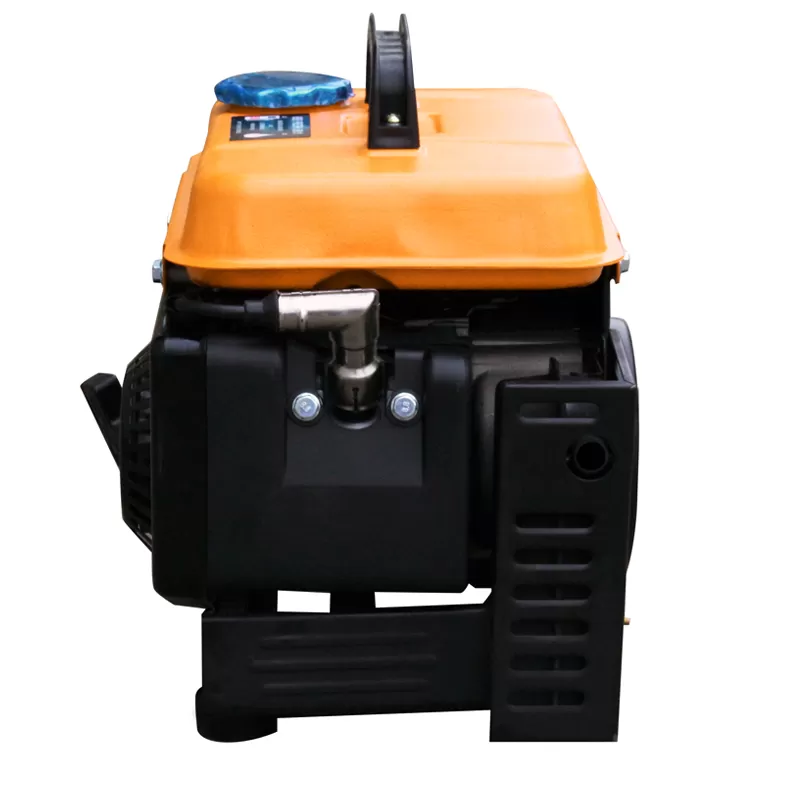
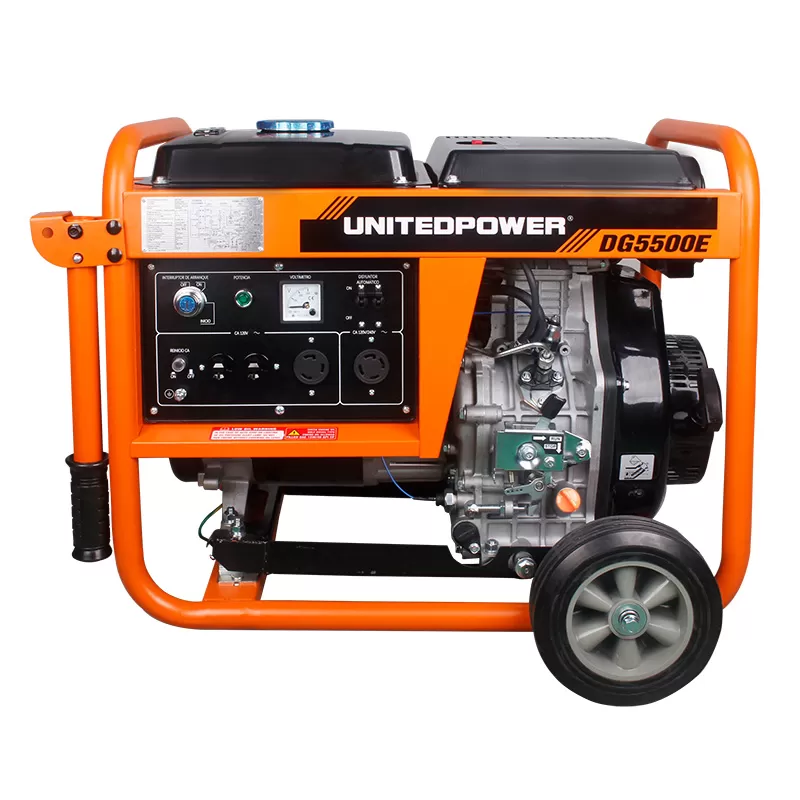
Spécifications du générateur 2 kilowatt ka : Analyse de l'efficacité énergétique et de la production
La génération d'électricité à la limite de 2000 watts occupe une position distincte dans les infrastructures industrielles, commerciales et d'urgence. Dimensionner un système pour cette catégorie nécessite un calcul précis des exigences de courant continu et réactif. Les équipes d'approvisionnement et les ingénieurs de terrain évaluant un générateur de 2 kilowatts doivent analyser la sortie de fonctionnement continu, la capacité de surcharge, le déplacement du moteur et les mécanismes de stabilisation de la tension.
Dynamique de charge électrique : Watts continus vs Watts de surcharge
Les charges électriques se divisent en deux catégories principales : les charges résistives et les charges inductives. Les charges résistives, telles que les lampes de travail à incandescence, les chauffages à immersion et les stations de soudage de base, maintiennent une consommation d'énergie uniforme depuis le démarrage initial jusqu'à l'exploitation continue. Le facteur de puissance (PF) pour ces dispositifs résistifs tourne autour de 1,0, ce qui signifie que la puissance active en watts correspond à la puissance apparente en volt-ampères.
Les charges inductives introduisent des dynamiques électriques complexes. Les moteurs, compresseurs, pompes de drainage et unités de réfrigération contiennent des enroulements électromagnétiques qui exigent une énorme poussée de courant lors de l'excitation du rotor. Ce courant d'appel atteint souvent deux à trois fois la puissance nominale en fonctionnement pendant une durée allant de 500 millisecondes à plusieurs secondes. Lors de la planification de la distribution électrique autour d'un générateur de 2 kilowatts, la capacité opérationnelle doit tenir compte de cette poussée initiale. Une unité classée à 2000 watts continus (2kW) pourrait délivrer de 2200 à 2400 watts de surcharge, limitant la taille des moteurs inductifs pouvant démarrer en toute sécurité sans bloquer le moteur principal ou déclencher le disjoncteur.
Capacité de charge résistive : Jusqu'à 2000W de demande continue à l'état stable (par exemple, réseaux d'éclairage, éléments de chauffage résistifs).
Capacité de charge inductive : Tirage continu limité à environ 1200W–1500W pour réserver une marge thermique adéquate pour les pics de démarrage du moteur.
Considérations sur les charges capacitives : Les alimentations à découpage modernes (SMPS) peuvent provoquer des rétroactions harmoniques, nécessitant une régulation stricte de la tension.
Architecture du moteur et spécifications mécaniques
Le cœur mécanique de toute plateforme de générateur détermine son cycle de service à long terme, les intervalles de maintenance et les caractéristiques thermiques. Les moteurs à soupapes en tête (OHV) à faible déplacement alimentent la plupart des unités de cette classe de puissance.
Déplacement et géométrie de compression
Les moteurs conçus pour une sortie électrique de 2kW présentent généralement des déplacements allant de 79cc à 105cc pour des configurations d'onduleurs à haute vitesse, et jusqu'à 160cc à 210cc pour des modèles à vitesse standard (3000/3600 RPM) à cadre ouvert. Les configurations OHV positionnent les soupapes d'admission et d'échappement directement au-dessus de la chambre de combustion. Cette orientation produit un front de flamme de combustion plus uniforme, une efficacité thermique supérieure, une accumulation de carbone réduite et une meilleure économie de carburant par rapport aux conceptions de moteurs à soupapes latérales plus anciennes.
Gestion thermique et métallurgie des cylindres
Les chemises de cylindre en fonte offrent une résistance à l'usure et une stabilité dimensionnelle à des températures de fonctionnement élevées. Bien que les alésages de cylindre en aluminium réduisent le poids brut, les manchons en fonte supportent des cycles de fonctionnement prolongés sans ovalisation des parois du cylindre. Des ailettes de refroidissement intégrées sur le volant d'inertie forcent l'air à travers le capot de la culasse, maintenant les températures du moteur dans des limites calibrées durant un fonctionnement continu sous charge maximale.
Technologie des alternateurs : Modules d'onduleur vs AVR conventionnel
La qualité de l'alimentation dépend de la conception de l'alternateur et du système de conversion qui gère la sortie brute du stator.
Onduleurs contrôlés par microprocesseur
Les unités d'onduleur numériques génèrent un courant alternatif multiphasé à des fréquences variables. Les circuits redresseurs convertissent cette puissance CA en courant continu (CC), après quoi un module d'onduleur la synthétise à nouveau en CA monophasé propre à la tension et à la fréquence cibles (par exemple, 230V/50Hz ou 120V/60Hz). Ce processus de double conversion produit une onde sinusoïdale pure avec une Distorsion Harmonique Totale (THD) inférieure à 3 %. Les électroniques sensibles, les contrôleurs logiques programmables (PLC), les instruments de laboratoire et les outils électriques entraînés par microprocesseur nécessitent une puissance à faible THD pour éviter les erreurs logiques, la surchauffe et les dommages aux composants internes. Les systèmes de haute qualité conçus par des fabricants comme Pouvoir uni utilisent des alternateurs à aimant permanent multipôles pour réduire le poids du moteur tout en maintenant la sortie électrique.
Alternateurs conventionnels avec régulateurs de tension automatiques (AVR)
Les générateurs conventionnels à cadre ouvert utilisent des alternateurs synchrones régis par un régulateur de tension automatique. L'AVR surveille la tension de sortie et module dynamiquement le courant d'excitation envoyé au rotor via des balais en carbone ou un enroulement d'excitation sans balais. Bien que les systèmes AVR conventionnels offrent des performances robustes pour les outils de construction lourds, leur onde de sortie contient une THD plus élevée (souvent de 10 % à 20 %). Cette distorsion harmonique les rend mieux adaptés aux moteurs universels et aux éléments chauffants plutôt qu'à du matériel informatique sensible.
Les enroulements de stator et de rotor représentent un autre facteur de différenciation. Les enroulements en cuivre de haute pureté présentent une résistance électrique plus faible et une conductivité thermique supérieure par rapport aux enroulements en aluminium. Les unités enroulées avec du cuivre gèrent mieux le cyclage thermique, résistant à la défaillance de l'isolation après des milliers d'heures d'exploitation sur le terrain.
Systèmes de carburant et indicateurs d'efficacité opérationnelle
Les dépenses opérationnelles dépendent en grande partie de la consommation spécifique de carburant (SFC), mesurée en grammes de carburant par kilowattheure (g/kWh). Le système de carburant dicte directement l'efficacité avec laquelle un générateur de 2 kilowatts convertit l'énergie chimique en sortie électrique à travers des étapes de charge variables.
Consommation spécifique de carburant et contrôles électroniques de l'accélérateur
Les unités synchrones conventionnelles fonctionnent à une vitesse de rotation fixe—3000 RPM pour 50 Hz ou 3600 RPM pour 60 Hz—indépendamment de la demande électrique, pour préserver la fréquence de ligne. En conséquence, la consommation de carburant à 25 % de charge reste disproportionnellement élevée par rapport à la sortie réelle. Les machines équipées d'onduleurs utilisent des régulateurs de charge électroniques (accélérateurs intelligents) qui réduisent la vitesse du moteur lorsque la charge diminue, adaptant les RPM directement à la demande actuelle. Ce mécanisme réduit la consommation de carburant jusqu'à 40 % pendant les cycles de fonctionnement à faible charge tout en diminuant l'usure mécanique sur les pistons et les roulements.
Systèmes à Double Carburant (GPL/Essence)
La flexibilité du carburant offre des avantages distincts dans les opérations sur le terrain. Le Gaz de Pétrole Liquéfié (GPL) brûle plus proprement que l'essence sans plomb, produisant moins de dépôts de carbone sur les bougies d'allumage et les soupapes d'échappement. Le GPL empêche également l'encrassement du système de carburant pendant un stockage prolongé, éliminant le colmatage des gicleurs de carburateur courant avec l'essence mélangée à l'éthanol. Cependant, le propane possède une densité énergétique inférieure par unité de volume, réduisant généralement la puissance continue maximale de 5 % à 10 % par rapport au fonctionnement à l'essence.
Atténuation du Bruit et Isolation Acoustique
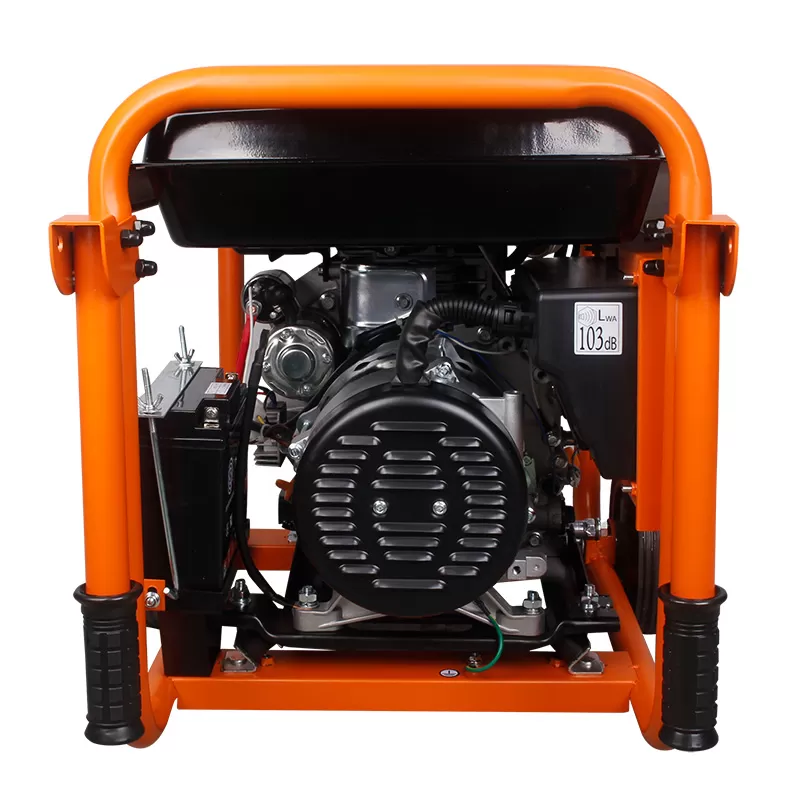
La performance acoustique est mesurée en décibels sur l'échelle A pondérée (dB(A)), généralement calibrée à une distance de 7 mètres sous différents états de charge. Un générateur conventionnel à cadre ouvert de 2 kW émet environ 68 à 74 dB(A) en raison du bruit mécanique non protégé, de la turbulence du ventilateur de refroidissement et des pulsations d'échappement.
Les onduleurs portables à cadre fermé utilisent des enceintes d'amortissement sonore à plusieurs niveaux. Ces enceintes disposent d'une isolation acoustique à double paroi, de chemins d'admission d'air de style labyrinthe pour perturber les ondes sonores, et de silencieux internes à haute capacité avec des dispositifs d'arrêt des étincelles intégrés. Lorsqu'ils sont isolés avec des supports moteur en caoutchouc élastomère, le bruit de fonctionnement tombe à 52–58 dB(A) à un quart de charge. De faibles émissions sonores sont obligatoires pour les chantiers urbains, la recherche de terrain nocturne, le service de télécommunications et les installations alimentaires mobiles commerciales opérant à proximité de zones peuplées.
Scénarios Utilitaires Commerciaux et de Terrain
Comprendre les exigences de déploiement dans le monde réel aide les équipes d'approvisionnement à spécifier la configuration correcte du générateur pour leurs équipes sur le terrain.
Télécommunications et Stations Distantes : Les équipes de maintenance des télécommunications déploient la plateforme de générateur de 2 kilowatts pour soutenir les transceivers distants, les batteries de secours et les équipements de fusion de splicing de fibre pendant les pannes de courant. La sortie en onde sinusoïdale pure assure un fonctionnement continu des équipements de transmission sensibles.
Sites de Construction Légère et de Maintenance : Alimentation de perceuses rotatives, de scies à va-et-vient commerciales, d'unités d'aspiration industrielles et de projecteurs portables sur des sites dépourvus de prises de réseau.
Unités Mobiles Commerciales : Les camions de nourriture, les fourgons de diagnostic mobiles et les ateliers de service sur le terrain intègrent des équipements de génération compacts de 2 kW pour faire fonctionner des systèmes de point de vente, des compresseurs de réfrigération à faible consommation et des unités de calibration de diagnostic.
Recherche de Terrain et Sondage : Les équipements de sondage géotechnique, les ordinateurs d'enregistrement de données à distance et les équipements de surveillance météorologique nécessitent une génération d'énergie fiable et à faible vibration dans des environnements hors réseau.
Normes de Conformité en Matière d'Approvisionnement et de Qualité
Les équipes d'approvisionnement industrielles doivent évaluer le matériel par rapport aux normes internationales pour garantir la sécurité des opérateurs et la conformité réglementaire.
Émissions et Certifications de Sécurité
Les moteurs doivent répondre aux normes d'émission régionales, telles que les exigences EPA Phase III et CARB en Amérique du Nord, ou Euro Stage V dans toute l'Union Européenne. Ces réglementations fixent des plafonds stricts sur les hydrocarbures non brûlés (HC), les oxydes d'azote (NOx) et le monoxyde de carbone (CO). Les contrôles d'émissions évaporatives, y compris les réservoirs de carburant à faible perméation et les cartouches à charbon, empêchent les fuites d'hydrocarbures lorsque le moteur ne fonctionne pas.
Évaluations Électriques et d'Enceinte
Les évaluations de Protection contre l'Ingress (IP) indiquent le niveau d'étanchéité contre la poussière et l'humidité. Les unités ouvertes standard ont une évaluation IP23, qui protège contre les projections d'eau. Les équipements fonctionnant sur des chantiers difficiles peuvent nécessiter des prises électriques étanches IP44 ou IP54, des interrupteurs de circuit à défaut de terre (GFCI) et une protection de circuit intégrée pour prévenir les chocs électriques dans des environnements humides.
Les équipements modernes produits par des fabricants établis comme Pouvoir uni suivent les normes ISO 8528 pour les groupes électrogènes à courant alternatif entraînés par des moteurs à combustion interne à piston, garantissant une régulation de fréquence stable, une chute de tension faible et une intégrité structurelle sous des contraintes thermiques prolongées.
Protocoles de maintenance pour une durée de vie maximale
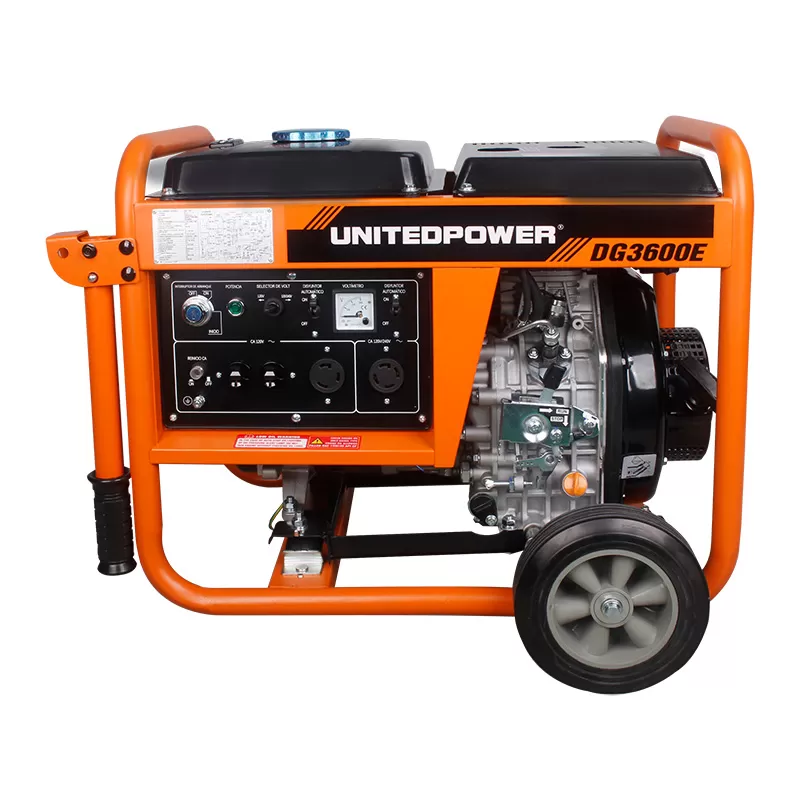
Respecter les plannings de maintenance préventive évite les pannes mécaniques prématurées et permet à l'alternateur de fournir une tension stable tout au long de sa durée de vie opérationnelle.
Calendrier de lubrification et sélection de la viscosité
Les petits moteurs OHV dépendent de la lubrification par éclaboussures ou des pompes à huile mécaniques à basse pression. L'huile de rodage d'usine doit être vidangée après les 20 premières heures de fonctionnement pour purger les débris métalliques microscopiques produits lors du rodage des segments de piston. Les changements d'huile suivants doivent avoir lieu toutes les 50 à 100 heures, en fonction des températures ambiantes de fonctionnement. Les huiles synthétiques 10W-30 ou 5W-30 maintiennent des indices de viscosité stables sur de larges plages de température, empêchant le contact métal sur métal lors des démarrages à froid.
Filtration de l'air et préservation du carburant
Fonctionner dans des environnements industriels très poussiéreux obstrue rapidement les médias de filtration de l'air. Les filtres à air à double élément—combinant un pré-filtre en mousse lavable avec un filtre principal en papier plissé—empêchent les particules abrasives en suspension dans l'air d'entrer dans la chambre de combustion. Lors du stockage d'équipements pendant de longues périodes, faire fonctionner le réservoir flottant du carburateur complètement à sec ou ajouter un stabilisateur de carburant de haute qualité empêche l'accumulation de vernis dans les gicleurs de pilote et principaux de précision.
Questions Fréquemment Posées
Un générateur de 2 kilowatts peut-il alimenter un climatiseur de 1 tonne ?
En général, non. Un climatiseur non-inverseur typique de 1 tonne demande environ 1200 à 1500 watts de fonctionnement, mais son compresseur inductif nécessite un pic de démarrage entre 3500 et 4500 watts. Ce pic dépasse la capacité de surcharge maximale d'un générateur de 2 kW. Les climatiseurs split modernes de type inverseur avec compresseurs à démarrage progressif peuvent démarrer sur un système de 2 kW, à condition que toutes les autres charges électriques accessoires soient complètement déconnectées.
Quelle est la différence entre une onde sinusoïdale pure et une onde sinusoïdale modifiée ?
Une onde sinusoïdale pure correspond à la forme d'onde lisse et continue de l'alimentation électrique du réseau, présentant une Distorsion Harmonique Totale (DHT) inférieure à 3 %. Une onde sinusoïdale modifiée produit une forme d'onde en escalier, semblable à un carré. Bien que les ondes sinusoïdales modifiées puissent faire fonctionner des éléments chauffants résistifs de base et des moteurs universels à balais, elles provoquent une surchauffe, un bourdonnement et un risque de défaillance de circuit dans les outils à vitesse variable, les chargeurs de batteries et les contrôles électroniques.
Combien d'heures un générateur de 2 kW fonctionnera-t-il avec un seul réservoir de carburant ?
Les temps de fonctionnement dépendent du volume du réservoir de carburant, de la cylindrée du moteur et de la charge opérationnelle. Un générateur de 2 kilowatts de type inverseur équipé d'un réservoir de carburant de 4 litres fonctionnant avec un régulateur électronique efficace fonctionne généralement entre 6 et 10 heures à une charge de 25 %. Sous une capacité continue de 100 %, la consommation de carburant augmente, réduisant le temps de fonctionnement sur ce même réservoir à environ 3,5 à 5 heures.
Pourquoi une faible Distorsion Harmonique Totale (DHT) est-elle importante pour les outils électriques modernes ?
De nombreux outils électriques modernes intègrent des gâchettes à vitesse variable gérées par microprocesseur, des circuits de démarrage progressif et une gestion numérique du couple. Une DHT élevée introduit des pics de tension et du bruit de phase, ce qui génère une chaleur excessive à l'intérieur de ces modules électroniques. Avec le temps, cette chaleur provoque une dégradation des condensateurs, un comportement erratique du moteur et une défaillance prématurée de l'outil.
Quelle maintenance régulière permet à un générateur de 2 kW de fonctionner de manière fiable ?
La maintenance de base consiste en des changements réguliers d'huile moteur, un nettoyage du filtre à air, une inspection et un réalignement des bougies d'allumage, ainsi que des remplacements périodiques du filtre à carburant. De plus, vérifier le jeu des soupapes tous les 300 heures de fonctionnement prévient les démarrages difficiles et garantit un scellement complet de la chambre de combustion.
Deux générateurs inverter de 2 kW peuvent-ils être connectés en parallèle ?
Oui, à condition que les deux unités inverter prennent en charge le fonctionnement en parallèle et utilisent un kit de câble de communication parallèle dédié. La synchronisation parallèle relie les formes d'onde AC des deux microprocesseurs inverter, doublant ainsi la puissance continue à 4000 watts (4 kW) tout en maintenant une qualité de puissance en onde sinusoïdale propre.
Aide à l'approvisionnement et à l'ingénierie
La spécification des actifs de génération pour l'intégration de flotte, l'approvisionnement industriel ou les réseaux de vente au détail commerciaux nécessite une analyse équilibrée de la durabilité du moteur, de la qualité de l'enroulement de l'alternateur et de la conformité réglementaire. United Power fabrique des équipements de génération de qualité commerciale conçus pour fournir une sortie électrique stable dans des conditions de travail difficiles.
Contactez notre division des ventes d'ingénierie pour demander des fiches techniques complètes, des prix d'approvisionnement en gros et des spécifications de production OEM/ODM personnalisées :
Demandes Directes : sales@unitedpower.cn
Opérations Globales & Services de Fabrication : Division des Équipements Industriels United Power
.webp "Les 5 principaux facteurs à considérer lors de la spécification d'un moteur générateur 220V pour équipements lourds")