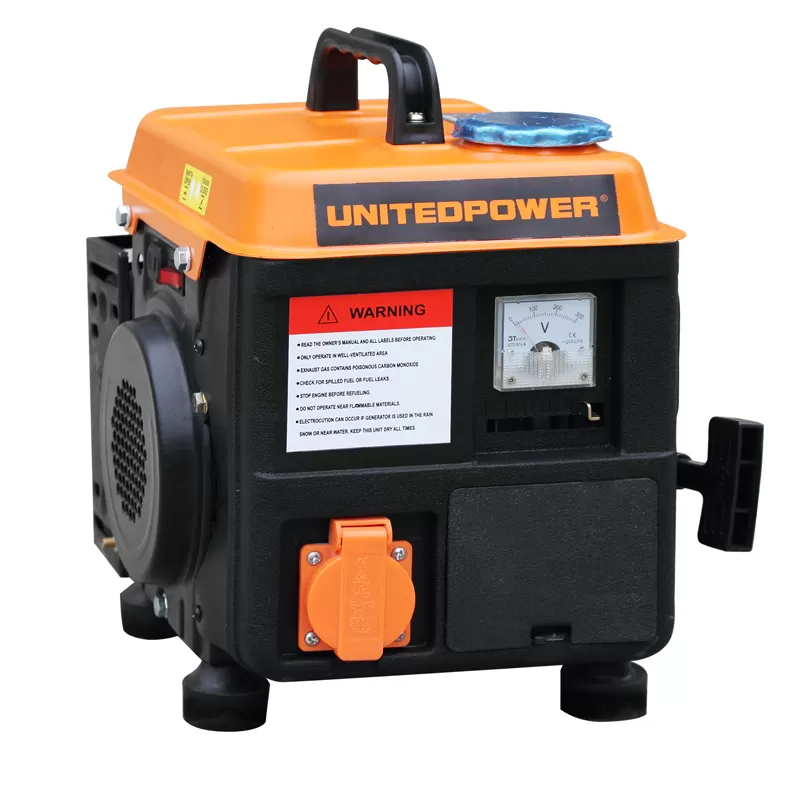
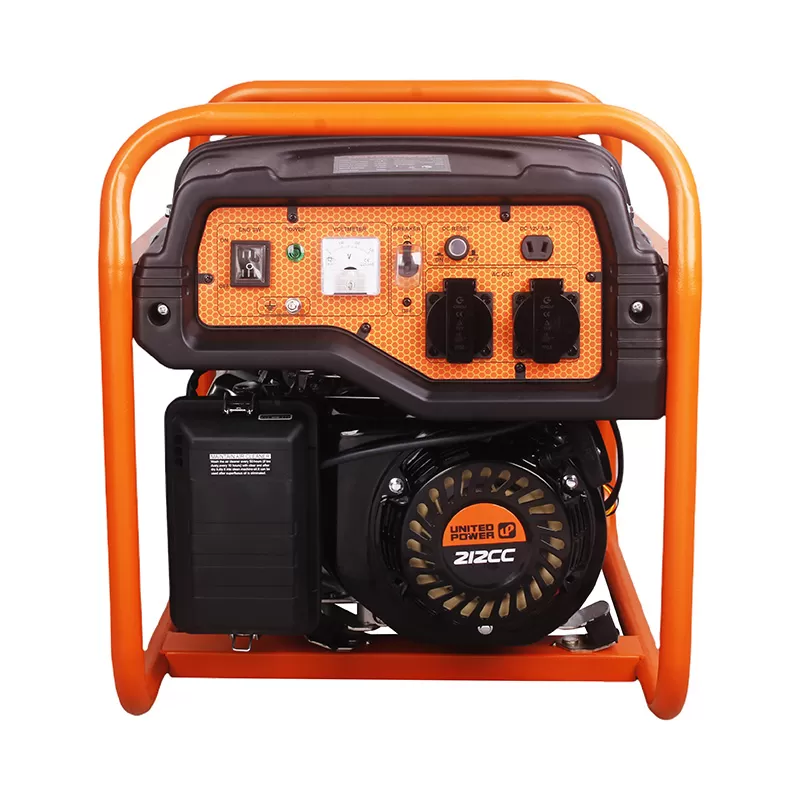
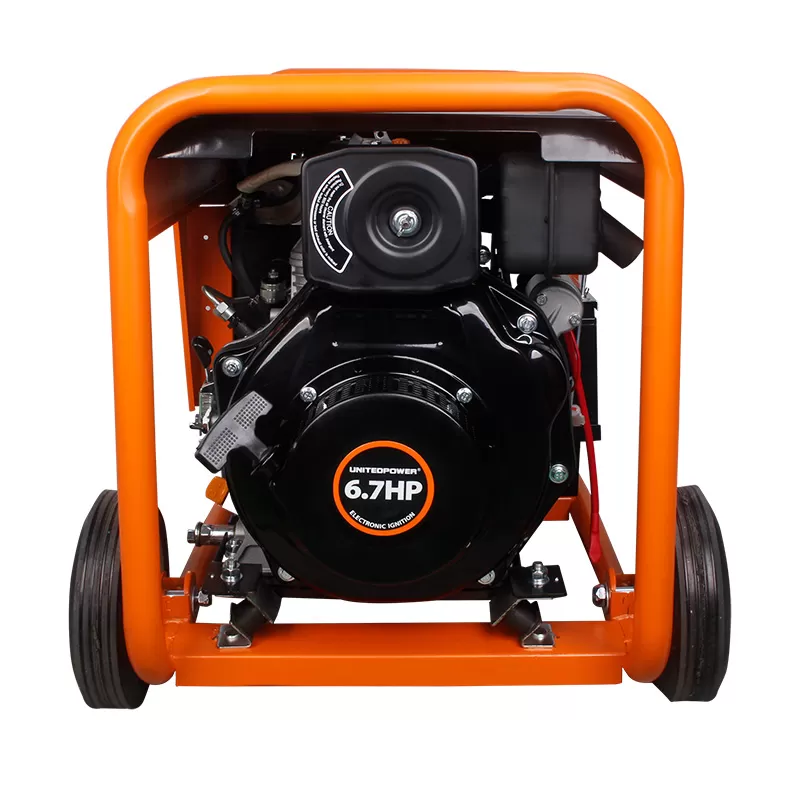
10kva DG组价格分析:技术规格和工业采购指南
Procuring low-capacity standby and prime power generation equipment requires a precise balance between upfront capital expenditure and long-term mechanical reliability. For commercial facilities, rural telecommunications towers, small-scale industrial operations, and critical infrastructure outposts, the 10 kVA diesel generator represents a foundational operational asset. While the marketplace presents a wide variance in procurement figures, understanding the factors governing the 10kva dg set price requires looking beyond face-value quotations into mechanical design, metallurgy, electrical engineering, and manufacturing compliance.
A standard 10 kVA unit yields an active electrical output of approximately 8 kW, calculated at the standard international commercial power factor of 0.8 lagging. Operating at this scale introduces unique engineering constraints. Unlike utility-scale multi-megawatt systems where mass and thermal dissipation margins are expansive, a compact genset must manage high thermal loads, mechanical vibration, and precise rotational speed governing within a constrained physical footprint. The variance in market pricing stems directly from how manufacturers resolve these thermodynamic and electrical challenges.
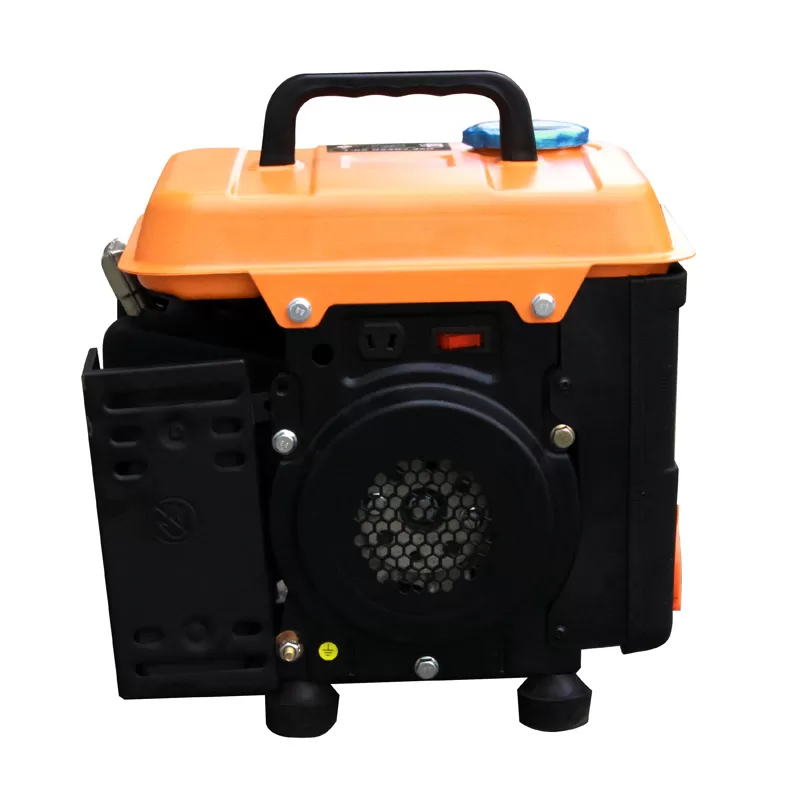
Structural Drivers Behind the 10kva dg set price
Capital investment in generation machinery is governed by the structural integrity of its internal sub-assemblies. A diesel generator is not a monolithic product; rather, it is a synchronized electro-mechanical assembly comprising an internal combustion prime mover, an alternating current generator, structural dampening systems, thermal management apparatus, and electronic governing controls. Dissecting the cost structure necessitates an analysis of these primary components.
Prime Mover Architecture and Thermodynamic Design
The internal combustion engine accounts for the largest proportion of manufacturing overhead. Within the 10 kVA bracket, engine typologies diverge sharply between single-cylinder air-cooled units, twin-cylinder naturally aspirated engines, and multi-cylinder water-cooled configurations.
Rotational Velocity (RPM): Units operating at 3,000 RPM represent a lower upfront threshold, requiring smaller engine displacement to produce equivalent mechanical brake power. However, elevated piston speeds accelerate mechanical wear, elevate acoustic signatures, and degrade lube-oil viscosity rapidly. Conversely, industrial-tier 1,500 RPM configurations—built with heavier cast-iron blocks, lower piston speeds, and balanced crankshaft designs—command higher capital costs while yielding mean-time-between-overhaul (MTBO) windows exceeding 10,000 operational hours.
Aspiration and Displacement: Naturally aspirated engines within this power bracket require higher displacement to sustain sudden block-loading compared to turbocharged variants, but offer greater simplicity and lower thermal stress. The metallurgical grade of the cylinder liner, piston ring alloy composition, and valve-seat hardness dictate the engine's resilience against micro-welding and bore polishing under sustained cyclic loading.
Governing Mechanisms: Mechanical centrifugal flyweight governors present lower production expense but tolerate a wider speed droop (typically 3% to 5%), resulting in temporary frequency variations when large inductive loads engage. Electronic or isochronous governors maintain zero-droop frequency control, protecting sensitive downstream programmable controllers and digital communication hardware, though they require sophisticated speed sensors and actuators that adjust the overall cost basis.
Alternator Topology and Electrical Efficiency
The alternator transforms mechanical kinetic energy into stable electrical voltage. Cost discrepancies within alternators correlate directly with raw material purity, thermal insulation classes, and excitation circuitry.
Winding Metallurgy: High-efficiency units utilize electrolytic-grade continuous copper windings with minimal resistance properties. Budget-oriented alternatives occasionally utilize copper-clad aluminum or lower-conductivity recycled wire, leading to higher $I^2R$ resistive heating losses, accelerated insulation thermal degradation, and higher voltage drop under transient surge conditions.
Brushless vs. Brushed Excitation: Brushed alternators require physical carbon-contact assemblies that wear over operational hours, creating conductive carbon dust that compromises stator insulation. Brushless designs incorporating an auxiliary excitation winding and rotating diode assembly eliminate friction-based wear, reduce electromagnetic interference, and yield a cleaner sinusoidal waveform with Total Harmonic Distortion (THD) kept below 3%.
Insulation and Varnish Treatments: Class H insulation systems, vacuum-pressure impregnated (VPI) with high-grade synthetic resins, provide non-hygroscopic protection against moisture, coastal salt atmospheres, and ambient operating limits exceeding 40°C. Lower-cost varnish applications lack the structural density to resist micro-vibrations, leading to inter-turn winding shorts over protracted operating cycles.
Automatic Voltage Regulation (AVR): Transistor-controlled, fully encapsulated digital AVR modules dynamically compensate for thermal drift and load steps within a ±1.0% voltage regulation envelope, preventing winding overheating caused by sustained reactive currents.
Enclosure Construction, Acoustic Engineering, and Thermal Flow
Open-skid generator configurations provide maximum ventilation and immediate access for overhaul procedures, carrying the lowest capital barrier. Most modern installations, however, demand localized sound reduction and environmental ingress defense, shifting the purchasing scope toward sound-attenuated acoustic enclosures.
Acoustic performance is governed by strict physics: dampening sound power levels requires mass, tortuous air paths, and sound-absorbing boundary layers. Standard industrial enclosures aim for attenuation ratings between 65 and 72 dB(A) measured at a distance of 7 meters under free-field conditions. Engineering such enclosures requires dense electro-galvanized sheet steel, precision laser cutting, multi-stage phosphate washing, and thick electrostatically applied polyester powder-coat finishes to prevent structural oxidization.
Internally, flame-retardant rockwool or closed-cell acoustic foam must be mechanically retained behind perforated sheets to resist vibrational migration. The incorporation of split-duct cooling systems, internal residential-grade silencers, and baffled intake and discharge plenums drives substantial manufacturing cost. If these plenums are incorrectly calculated, the static pressure drop across the cooling fan will starve the heat exchanger of laminar airflow, leading to derating or catastrophic thermal shutdown in elevated ambient environments.
Operational Voltage, Phase Configurations, and Harmonic Loads
A primary step in evaluating equipment compatibility involves selecting the appropriate phase and voltage delivery system. A 10 kVA generator is commonly specified in either a single-phase (220V/230V/240V) or a three-phase (380V/400V/415V) four-wire topology. Single-phase arrangements are optimal for residential compounds, remote medical clinics, and light telecommunications infrastructure characterized purely by single-phase distribution panels.
Three-phase systems cater to operations driving small industrial machine tools, auxiliary centrifugal pumps, and HVAC compressor loads. System engineers must rigorously monitor phase balance on three-phase units; an unbalanced phase load exceeding 20% to 25% creates reverse-sequence magnetic fields within the alternator rotor. This induced current induces extreme thermal spikes within the field windings, potentially damaging the sub-transient reactance ($X''d$) characteristics of the machine.
Non-linear loads—such as variable frequency drives (VFDs), uninterruptible power supply (UPS) rectifiers, and switch-mode IT power supplies—draw current in sharp, non-sinusoidal pulses. These pulse currents introduce harmonic distortion, causing voltage waveform flat-topping. When sizing equipment for sites with high non-linear load fractions, the generator must either be systematically oversized or engineered with specialized 2/3 pitch winding geometries to eliminate third-order harmonic circulation.
Manufacturing Quality Assurance and Electrical Validation
The manufacturing process introduces significant variance in unit dependability before a genset ever reaches a shipping vessel. Reputable fabrication requires comprehensive structural, thermodynamic, and electrical validation. Sourcing through experienced global manufacturers ensures structural tolerances are rigorously verified.
Through engineering consultations, 联合动力 provides tailored cooling optimizations and winding protections designed specifically to mitigate tropical humidity, high altitude air rarefaction, and extreme ambient dust loading. These design adjustments protect critical prime components from premature failure.
Every industrial-grade generator must complete a multi-tier Factory Acceptance Test (FAT) on an active inductive/resistive load bank. Verification encompasses step-loading protocols: assessing voltage droop and frequency recovery curves at 0%, 25%, 50%, 75%, 100%, and 110% overload conditions. Units engineered without rigorous dynamic balancing of the rotating assembly risk micro-vibrations that degrade main bearing races, loosen electrical terminals, and cause localized fatigue cracking in exhaust manifold welds.
Configuration Matrix: Industrial Utility vs. Light Commercial Builds
To accurately understand what dictates the 10kva dg set price, commercial buyers can review how standard configurations scale from basic commercial units to high-reliability continuous-duty plants.
| Engineering Subsystem | Light Commercial Configuration | Industrial / Mission-Critical Build |
|---|---|---|
| Operational Velocity | 3,000 RPM (High-speed) | 1,500 RPM (Low-speed, sustained duty) |
| Thermodynamic Cooling | Direct forced air-cooling | Liquid-cooled with closed-loop radiator |
| Alternator Architecture | Brushed with slip rings, aluminum mix | Brushless, 100% continuous copper, Class H |
| Voltage Regulation | Analog circuit board (±2.5% regulation) | Solid-state digital AVR (±1.0% regulation) |
| 发动机 Governing | Mechanical centrifugal spring | Electronic isochronous digital actuator |
| Acoustic Management | Open frame or unbaffled steel shroud | Baffled acoustic enclosure, rockwool lining (<68 dBA) |
| Expected Overhaul Cycle | 1,500 – 2,500 Operating Hours | 8,000 – 15,000 Operating Hours |
This structural differentiation demonstrates that when evaluating the baseline 10kva dg set price against customized operational demands, the lower initial capital option frequently transfers costs into recurrent maintenance outlays, accelerated fuel burn, and abbreviated asset lifespan.
Total Cost of Ownership vs. Initial Capital Outlay
For an infrastructure asset operating over a five- to ten-year timeframe, the acquisition cost represents a fraction of the lifecycle financial profile. Operating expenses are largely dictated by specific fuel consumption (SFC), preventative maintenance cadences, and operational uptime reliability.
Specific Fuel Consumption Curves
Diesel thermal efficiency relies on maintaining consistent combustion chamber temperatures. At 75% prime operational load, an optimized 1,500 RPM industrial 10 kVA diesel unit typically consumes between 2.2 and 2.6 liters of fuel per hour. Engines characterized by lower-efficiency mechanical injection systems, less sophisticated fuel atomization nozzles, and sub-optimal swirl-chamber bowl geometries burn higher quantities of fuel per kilowatt-hour produced.
In continuous or multi-hour daily prime applications, a difference of 0.3 liters per hour represents hundreds of liters of excess fuel consumption over an annual duty cycle. Multiplying this fuel volume by current bulk diesel fuel delivery prices quickly offsets any initial savings achieved on a cheaper purchase price.
Preventative Maintenance and Wear Consumables
Maintenance schedules are dictated by sump volume, thermal management capacity, and lubricating oil shear rates. High-speed 3,000 RPM engines carry compact oil reservoirs, requiring fluid, oil filter, and fuel filter replacements every 100 to 150 hours of operation. Over an extended operational schedule, these frequent fluid exchanges escalate labor mobilization expenses and operational down-time.
Conversely, industrial-grade liquid-cooled power systems utilize expansive oil sumps with bypass micro-filtration elements, safely extending maintenance intervention intervals to 250 or 500 operating hours. Standardizing replacement components—such as spin-on oil filters, water-separating fuel filters, and dry-type air filters—reduces the inventory burden across multi-site generator fleets.
Control Automation, Protection, and System Integration
Modern electrical balance of plant mandates seamless integration between the primary utility feed, the generator set, and the downstream facility switchgear. The complexity of this auxiliary architecture impacts total procurement budgeting.
Digital Genset Controllers
The system brain is the digital controller. Contemporary solid-state programmable controllers continuously monitor critical operating parameters: lube oil pressure, coolant temperature, engine speed, battery charging voltage, individual phase currents, operational frequency, and power factor. They integrate deep fault-logging arrays and provide remote communications through RS485 interfaces utilizing Modbus RTU or industrial Ethernet SNMP protocols. This communication layer allows facility engineers to diagnose thermal creep or mechanical loading shifts before an automatic shutdown occurs.
Automatic Transfer Switches (ATS)
Standby emergency applications necessitate an Automatic Transfer Switch to manage utility-to-generator switching without backfeeding the utility grid. An industrial ATS incorporates mechanically interlocked contactors or motorized circuit breakers designed to handle high short-circuit withstand ratings. Inexpensive transfer switches lack robust mechanical isolation, risking internal contact welding during close-range upstream utility short-circuits. Specifying a compatible, certified transition switch must be factored into comprehensive site engineering calculations.
Strategic Procurement Guidelines and Technical Site Audits
Procuring low-capacity generation assets requires rigorous mechanical auditing prior to issuing purchase orders. Engineering teams must avoid purchasing solely based on nominal kVA designations, as transient start-up loads govern real-world equipment success.
Inductive electrical loads—such as direct-on-line (DOL) submersible water pumps, air conditioning compressors, and industrial workshop extractors—exhibit locked-rotor motor starting currents ranging from five to seven times their full-load running current. If a 10 kVA genset does not have adequate sub-transient alternator reactance and instantaneous engine torque reserve, the application of this inductive load will drop alternator excitation voltage, stalling the engine or tripping the breaker on under-frequency protection.
To avoid undersizing, project managers must catalog continuous base loads, intermittent surge loads, and seasonal ambient temperature maximums. Derating tables must be applied directly: internal combustion engines lose approximately 1% of their rated output for every 100 meters of elevation above 1,000 meters, and roughly 2% for every 5°C increase in ambient air temperature above 40°C.
B2B buyers seeking to optimize their 10kva dg set price must scrutinize supplier quality documentation, testing methodologies, and warranty terms rather than selecting low-bid alternatives that compromise core alloys and circuit safety. Global organizations such as 联合动力 assist procurement teams by providing verified structural and electrical documentation, ensuring that every asset precisely matches the environmental, acoustic, and transient-load requirements of its designated operational envelope.
Frequently Asked Questions
Q1: Why does the 10kva dg set price vary significantly between suppliers?
Pricing variance reflects the underlying engineering of core assemblies: 1,500 RPM low-speed engines cost substantially more to manufacture than 3,000 RPM high-speed engines due to their heavy cast-iron blocks, higher displacement, and longer mechanical operational life. Furthermore, alternators featuring 100% continuous Class H copper windings, digital automatic voltage regulators, advanced sound-attenuated enclosures, and programmable digital monitoring modules command higher initial capital outlay than brushed alternators paired with basic open steel skids.
Q2: What is the exact difference between a kVA and a kW rating on a 10 kVA generator?
Kilovolt-amperes (kVA) represent apparent electrical power, which is the product of voltage and current. Kilowatts (kW) represent real or active power, which executes mechanical work. In international power systems, generators are calibrated to a standard power factor of 0.8 lagging. Therefore, multiplying a 10 kVA rating by 0.8 results in 8 kW of active power capacity. If connected loads consist strictly of purely resistive heating elements with a unity power factor of 1.0, the machine can theoretically support up to 10 kW, provided thermal thresholds are strictly governed.
Q3: Is an air-cooled or liquid-cooled 10 kVA generator more cost-effective?
Air-cooled configurations feature fewer mechanical components—eliminating water pumps, radiators, hoses, and thermostatic valves—resulting in a lower initial procurement cost and reduced coolant maintenance. However, they operate at elevated internal temperatures, exhibit shorter operating life cycles, and generate higher operational noise. Liquid-cooled engines maintain precise internal thermal equilibrium, permitting thousands of hours of continuous industrial prime operation in demanding ambient environments, making them more cost-effective on a total lifecycle basis.
Q4: Can a 10 kVA diesel generator run continuously for 24 hours?
Continuous operation depends entirely on the generator's ISO 8528 duty classification. Standby-rated (ESP) machines are engineered to provide emergency power for the duration of a utility outage and should not be operated continuously at constant high loads. Prime-rated (PRP) or Continuous-rated (COP) units, built with low-speed 1,500 RPM liquid-cooled engines, are mechanically rated to operate 24 hours a day, provided daily maintenance checks, oil-sump volumes, and fuel replenishment intervals are strictly observed.
Q5: How does ambient temperature and altitude affect the performance of a 10 kVA unit?
Higher altitudes feature reduced atmospheric air density, which limits the oxygen mass available in the combustion chamber, resulting in incomplete fuel combustion, decreased brake thermal efficiency, and elevated exhaust temperatures. High ambient temperatures degrade both engine heat dissipation through the radiator and alternator winding cooling. Equipment installed above 1,000 meters sea level or in operating environments exceeding 40°C must be formally derated to prevent sustained thermal overload.
Engineered Power Solutions for Industrial Application
Navigating technical generator specifications requires rigorous engineering alignment between site loads and manufacturing tolerances. For complete technical submittals, factory testing schedules, and customized multi-scenario configurations, contact the technical sales department at United Power via email at sales@unitedpower.cn to discuss your specialized electrical generation and power distribution requirements.