Selecting the Right 0.75 kw Water Pump: An Engineering and Performance Analysis
Fluid transfer systems require careful engineering calibration to ensure longevity, efficiency, and cost-effectiveness. Among the various power ratings available in the industrial and agricultural markets, the 0.75 kw water pump occupies a highly versatile position. Frequently matching the output of a single-horsepower motor, this specific power rating balances energy consumption with substantial hydraulic performance. For distributors, procurement officers, and engineering professionals, understanding the structural and functional nuances of these units is necessary to match the machinery with the operational demands of their final application.
At United Power, the manufacturing philosophy centers on durability and precise performance characteristics. When selecting fluid handling machinery, the 0.75 kw water pump represents one of the most versatile categories, capable of serving domestic pressure boosting, light agricultural irrigation, and auxiliary industrial processes. By examining the underlying mechanical design, hydraulic performance curves, and operational challenges, system designers can make informed decisions that reduce long-term maintenance costs and prevent premature equipment failure.
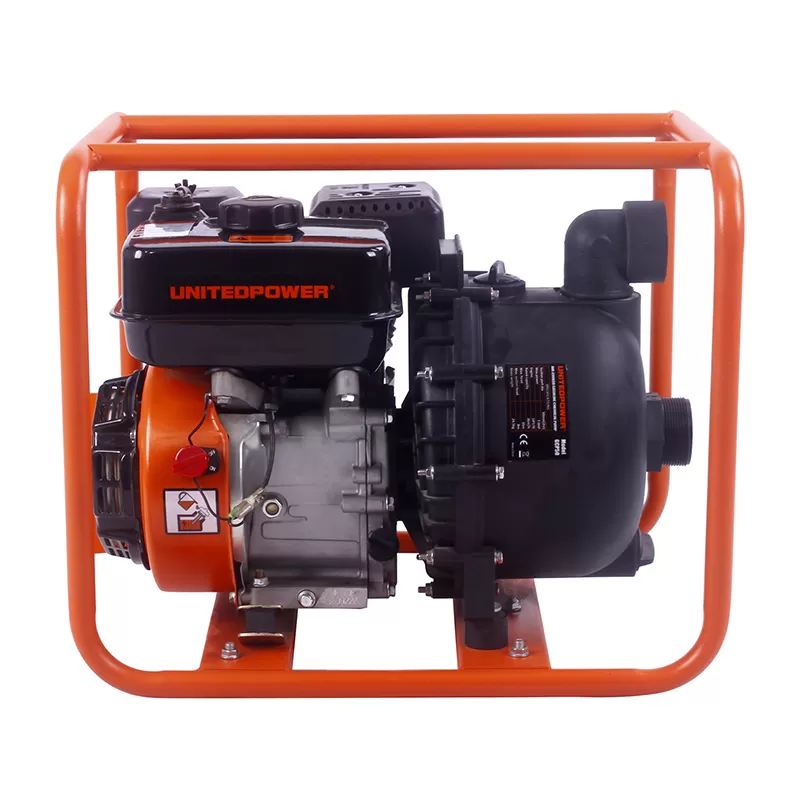
Understanding the Mechanical Design of a 0.75 kw Water Pump
The mechanical efficiency of a fluid pump depends directly on its internal components and their material composition. While external dimensions may appear similar across different manufacturing sources, the internal architecture of a 0.75 kw water pump dictates its overall lifespan and ability to handle continuous duty cycles without degradation.
Motor Construction and Winding Insulation
The motor is the driving force of the pump assembly. In a high-grade 0.75 kW system, the stator windings should be constructed from 100% pure copper wire. Copper offers superior electrical conductivity and thermal dissipation compared to aluminum alternatives, which significantly reduces internal resistive heating.
Insulation Class: Standard units utilize Class B or Class F insulation systems. Class F insulation allows the motor windings to withstand operating temperatures up to 155 degrees Celsius, providing a safety margin during prolonged operations or in high-ambient environments.
Ingress Protection (IP Rating): For outdoor or humid installations, motors require an IP44 or IP55 rating. This standard ensures that the electrical enclosure prevents the entry of harmful dust particles and water splashes from any direction.
Rotor and Shaft: A balanced rotor reduces vibration, protecting the bearing assemblies. The shaft, which connects the rotor to the impeller, is typically machined from stainless steel (such as AISI 304 or AISI 416) to resist both rotational shear stress and corrosive oxidation.
Impeller Dynamics and Material Selection
The impeller converts the rotational energy of the motor into kinetic energy within the fluid. The geometry and material of the impeller determine whether the pump is optimized for high pressure or high flow volume.
Brass impellers are highly favored in domestic and light commercial applications due to their resistance to scaling and mechanical wear. For agricultural applications where the water may contain abrasive particulates like sand, reinforced technopolymers (such as Noryl) or stainless steel impellers are selected to prevent erosive wear. The clearance between the impeller and the pump volute must be tightly managed during manufacturing; even sub-millimeter variances can lead to internal recirculation losses, reducing the hydraulic efficiency of the unit.
Sealing Mechanisms to Prevent Liquid Leakage
The interface where the rotating shaft enters the stationary pump casing is a primary point of potential failure. Mechanical seals have largely replaced traditional packing glands in modern designs. A typical mechanical seal assembly consists of a stationary ring and a rotating ring, pressed together by spring tension and sealed with elastomeric O-rings.
Common material pairings include Carbon versus Ceramic for clean water applications, and Silicon Carbide versus Silicon Carbide for environments containing suspended solids. The elastomeric components, often made of Nitrile Rubber (NBR) or Viton, must be chemically compatible with the pumped fluid and capable of sustaining the system's thermal operating range without hardening or cracking.
Key Performance Metrics for Industrial Procurement
Selecting a pump based solely on its power rating is a common procurement error. A 0.75 kW motor can be coupled with different liquid-end designs to yield vastly different performance profiles. To ensure proper integration, system designers must evaluate specific hydraulic metrics.
Flow Rate vs. Total Dynamic Head (TDH)
The relationship between the flow rate (typically measured in cubic meters per hour or liters per minute) and the Total Dynamic Head (measured in meters of water column) is defined by the pump's performance curve. As the head requirement increases, the flow rate decreases.
A typical 0.75 kw water pump designed for peripheral pressure generation might achieve a maximum head of 50 meters with a relatively low maximum flow rate of 3 cubic meters per hour. Conversely, a centrifugal model of the same power rating might only achieve a maximum head of 22 meters but deliver a much higher flow rate of 6 to 8 cubic meters per hour. Engineers must calculate the static elevation change, friction losses through piping and fittings, and the required terminal pressure to identify the precise operating point on the performance curve.
Suction Lift and Self-Priming Capabilities
Atmospheric pressure limits the theoretical maximum suction lift of any surface-mounted pump to approximately 10.3 meters at sea level. In practical applications, friction losses and vapor pressure limitations reduce the realistic suction lift of a 0.75 kW unit to between 7 and 9 meters.
Self-priming pumps incorporate an internal reservoir or jet ejector system that allows the pump to purge air from the suction line automatically. Standard centrifugal pumps, however, require the suction pipe and pump casing to be completely flooded (primed) before operation, necessitating the installation of a reliable foot valve at the intake point to prevent fluid backflow when the pump is idle.
Power Efficiency and Thermal Overload Protection
Operating a pump outside of its Preferred Operating Range (POR) can lead to motor overloading or hydraulic instability. High-quality single-phase motors are equipped with built-in thermal overload protectors. This safety device consists of a bimetallic strip that interrupts the electrical circuit if the winding temperature exceeds a set threshold, preventing permanent damage to the motor insulation due to locked rotor conditions or prolonged operation near the shut-off head.
Practical Applications of 0.75 kw Water Pumps in Diverse Sectors
The utility of a 0.75 kW power rating spans multiple industries, where it serves as a dependable workhorse for moderate-demand fluid transfer tasks.
Agricultural Irrigation and Smallholding Cultivation
In agricultural settings, these pumps are commonly deployed to draw water from shallow wells, storage ponds, or rainwater harvesting tanks. The flow rate of a centrifugal model is well-suited for supplying low-pressure drip irrigation systems or small-scale sprinkler networks. Because agricultural water often contains organic matter or micro-sediments, utilizing a suction strainer alongside a robust impeller material ensures the pump operates continuously throughout the growing season without clogging or excessive wear.
Commercial Building Pressure Boosting
Multi-story commercial properties and residential complexes often suffer from low municipal water pressure, particularly on upper floors. A self-priming or peripheral 0.75 kW pump, integrated with a pressure tank and an electronic pressure controller, forms an automatic pressure-boosting system. When a valve is opened within the building, the pressure drop triggers the pump to activate, maintaining constant fluid pressure across the distribution network.
Light Industrial Fluid Transfer and Wastewater Management
Industrial facilities utilize these units for auxiliary tasks such as transferring non-corrosive chemical solutions, feeding cooling loops, or draining condensation tanks. In these environments, chemical compatibility is paramount. Specialized configurations featuring stainless steel casings and Viton seals are specified to handle mildly acidic or alkaline fluids without accelerating material degradation.
Common Operational Challenges and Engineering Solutions
Even a well-manufactured pump can experience operational issues if environmental factors or system parameters deviate from design specifications. Addressing these challenges requires a systematic diagnostic approach.
Cavitation and Suction Head Losses
Cavitation occurs when the local pressure within the pump falls below the vapor pressure of the liquid, causing vapor bubbles to form and violently collapse against the impeller surface. This phenomenon produces a characteristic sound resembling gravel moving through the pump, and leads to rapid physical pitting of the impeller.
To prevent cavitation, the Net Positive Suction Head Available (NPSHa) in the system must exceed the Net Positive Suction Head Required (NPSHr) by the pump by a margin of at least 0.5 meters. Practically, this is achieved by minimizing the length of the suction pipe, increasing the pipe diameter, reducing the suction lift distance, and avoiding unnecessary elbows or valves on the inlet side of the system.
Motor Overheating and Voltage Fluctuations
In rural or remote locations, electrical grids often experience voltage sags or spikes. Running a single-phase 220V motor on a supply that drops below 200V increases the current draw to maintain the required output torque, leading to rapid heat buildup in the stator windings.
Installing an external voltage stabilizer or choosing a pump equipped with a wide-voltage motor design mitigates this issue. Additionally, ensuring proper ventilation around the motor cowl is necessary, as restricted airflow prevents the cooling fan from dissipating heat from the aluminum motor housing.
Wear and Tear in High-Mineral Water Conditions
Water with high concentrations of calcium, magnesium, or silica can lead to mineral scale buildup within the pump casing and on the mechanical seal faces. This scaling increases rotational friction, leading to premature seal failure and increased power consumption. In such scenarios, periodic chemical descaling or the installation of inline physical filtration systems upstream of the pump inlet is recommended to maintain optimal clearances and seal integrity.
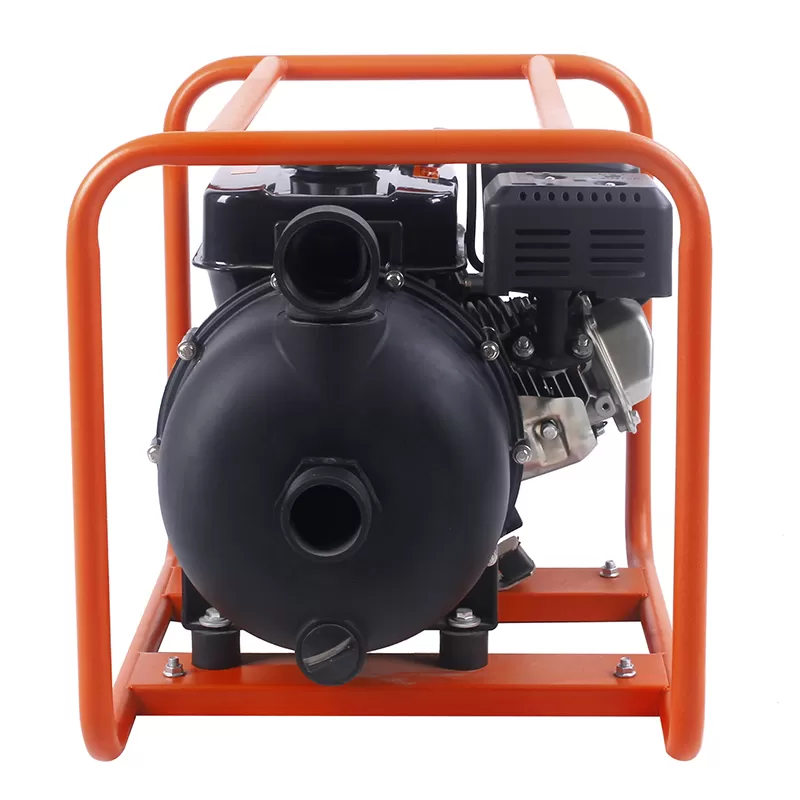
Factors to Analyze When Selecting a Bulk Supplier
For B2B buyers, distributors, and OEMs, securing a reliable supply chain is as important as the pump's mechanical specifications. Evaluating a manufacturing partner involves assessing quality control standards and engineering capabilities.
Testing Protocols: Reliable manufacturers subject every unit to hydraulic and electrical safety testing before packaging. This includes hydrostatic pressure testing of the pump body to detect casting porosities, and insulation resistance testing of the motor.
Component Standardization: Utilizing standard bearing sizes (such as C&U or NSK) and standardized mechanical seal dimensions simplifies future maintenance and sourcing of replacement parts for end-users.
Manufacturing Certifications: Compliance with international standards such as CE, ISO 9001, and RoHS ensures that the manufacturing processes conform to global safety and environmental expectations.
The manufacturing facilities of United Power utilize advanced assembly lines and rigorous testing procedures to ensure that each unit meets specified performance benchmarks. Our commitment to material traceability and precise engineering standards provides our distribution partners with highly competitive products that build market trust.
Frequently Asked Questions
Q1: What is the maximum flow rate of a standard 0.75 kw water pump?
A1: The maximum flow rate depends entirely on the pump design. A centrifugal model of this power rating typically delivers between 5 and 8 cubic meters per hour (83 to 133 liters per minute) at lower head levels, whereas a peripheral or deep-well jet model may deliver a lower flow rate of 2 to 3 cubic meters per hour but at much higher pressures.
Q2: Can this power rating be used to draw water from a deep borewell?
A2: A standard surface-mounted self-priming unit is limited to a suction lift of about 8 to 9 meters. For wells deeper than this, a submersible borehole pump or a surface pump equipped with an external ejector assembly must be used to push the water up to the surface.
Q3: Can a 0.75 kw water pump run continuously?
A3: Yes, provided the pump is rated for continuous duty (S1 duty cycle), has adequate ventilation, and operates within its designed flow and head parameters. It is also important that the pumped liquid remains cool enough to dissipate heat from the mechanical seal.
Q4: What pipe diameter is recommended for the suction and discharge lines?
A4: For a 0.75 kW unit, the suction port is typically 1 inch (25 mm) or 1.25 inches (32 mm). It is standard engineering practice to keep the suction pipe diameter equal to or larger than the suction port size to minimize friction losses. The discharge pipe can match the discharge port size, which is commonly 1 inch (25 mm).
Q5: What is the difference between copper and aluminum motor windings in these pumps?
A5: Copper windings offer lower electrical resistance, generate less heat, and provide higher thermal conductivity than aluminum. This results in greater electrical efficiency, lower operating costs, and a significantly longer motor lifespan under demanding operating conditions.
Commercial Inquiries and Partnership Opportunities
Selecting the appropriate pump configuration requires aligning operational variables with engineering realities. United Power offers a comprehensive portfolio of water pumps engineered to meet rigorous international standards for performance and reliability.
Our engineering team is available to assist you with system calculations, customized material specifications, and bulk procurement options tailored to your local market requirements. To receive technical datasheets, request a commercial quotation, or discuss OEM manufacturing partnerships, please contact our distribution division through our formal inquiry portal.
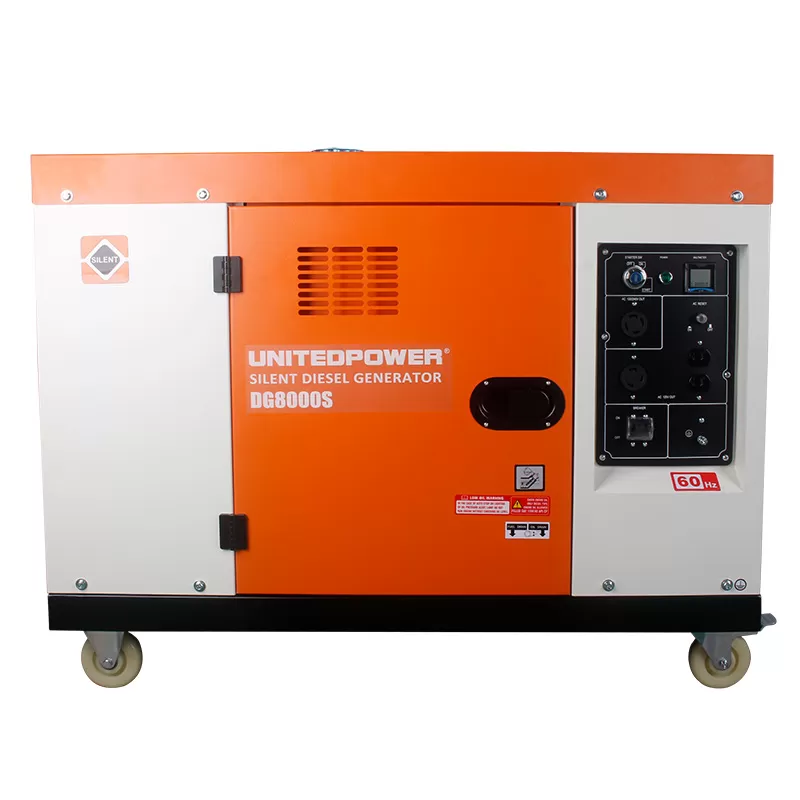
.webp "Evaluating the 4 kW Generator Price: Wholesale Sourcing & Manufacturing Specs")
.webp "2026 5 kW Silent Generator Price Guide: Costs, Features & Best Value Picks")